
Review · KYOTO
Kyoto: Gion Morning/Night Walking Tour
Gion is at its best when the streets are quiet. This walking tour takes you past traditional wooden houses and tea houses while a local guide explains how the district works today, not just how it appears in photographs. The morning option offers calm streets and soft light, while the evening outing gives Gion a more mysterious mood.
I like the chance to see Gion before the crowds arrive, and I like that the tour can be shaped around your interests. A guide named Kimu helped one guest follow a personal route and added stories about less familiar places. The main caution is simple: do not book this expecting a geisha sighting. One guest also found the English difficult to follow, so the quality of the experience may depend on your guide and communication style.
Key points to know before booking
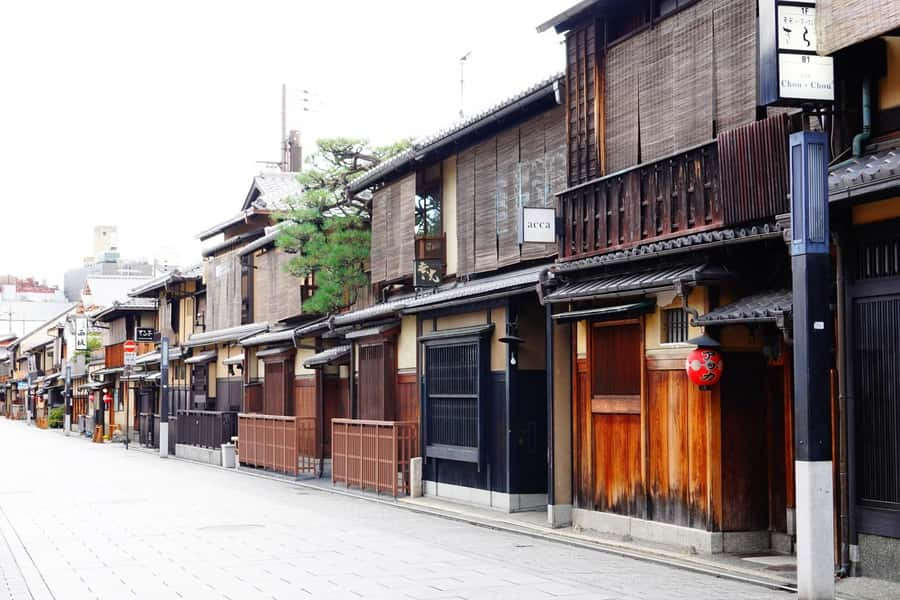
- Morning Gion is the quietest choice: You can walk before the district fills with visitors and enjoy its traditional streets at an easier pace.
- Nighttime brings a different mood: Rain, lantern light, and old wooden facades can make the walk especially atmospheric.
- The tour is built around Gion’s streets: Expect traditional houses, tea houses, local stories, and cultural context rather than a long list of formal attractions.
- Kimu has adapted a route to personal interests: This suggests some flexibility, though a particular guide is not guaranteed.
- Geisha sightings are not part of the promise: Gion is connected with geisha culture, but this tour does not guarantee seeing one.
- The $40 price pays for interpretation: You are paying for a guided introduction to the district, not meals, hotel transport, or attraction admissions.
Why Gion works best on foot
Gion is not a place you understand by racing from one photo stop to the next. Its appeal comes from details: the shape of a wooden facade, a narrow lane, a tea house entrance, or the change in mood between a busy main street and a quieter side road.
A walking tour gives those details room to register. You can look closely, ask questions, and hear why the area matters to Kyoto’s culture. The route is not presented as a visit to a single major monument. Instead, Gion itself is the main subject.
That makes this a useful first look at the district. If you visit alone, you may notice the architecture but miss the meaning behind it. A guide can explain the local culture and point out places you might otherwise pass without a second thought.
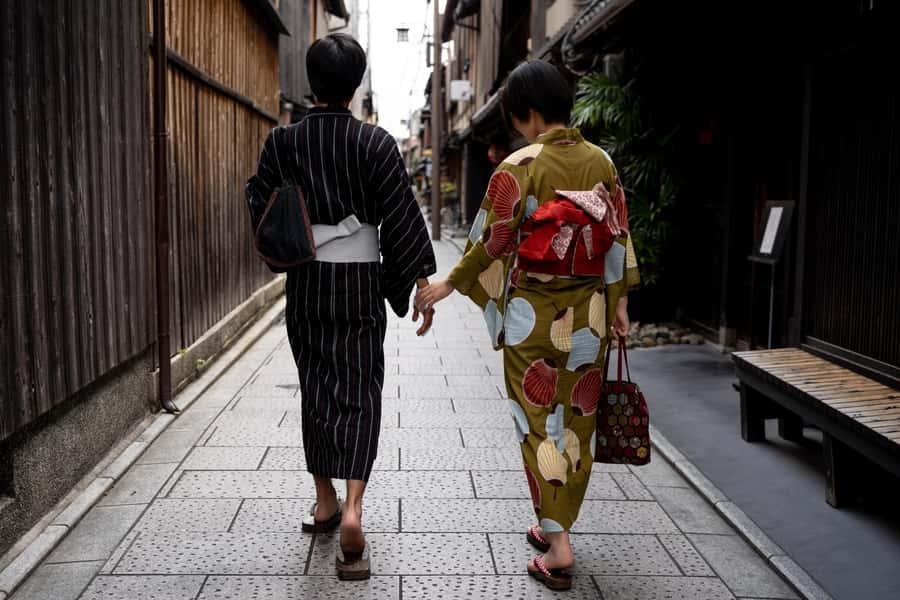
The experience is also a good reminder that Gion is a living neighborhood. Traditional buildings are not simply stage scenery. Local customs still matter, and you are expected to behave carefully around private homes and cultural spaces. Walk quietly, stay respectful, and follow your guide’s advice about photography.
More Night Walking Tours in Japan
- Kyoto: Gion Magical Night Walking Tour with Geisha Trivia
★ 4.9 · 2,393 reviews - Night Walk in Gion: Kyoto’s Geisha District
★ 4.5 · 2,003 reviews - Kyoto Gion Night Walk & Geisha District Guided Tour
★ 5.0 · 786 reviews
Choosing between the morning and nighttime walk
The morning option is the safer choice if you want peace and clear visual details. The tour description focuses on seeing Gion before the crowds arrive, and that timing is a real advantage. Narrow streets are easier to appreciate when you are not constantly stepping aside for other people.
Morning light also helps you study the wooden architecture. You can take your time with the lines of the houses and the restrained design of the tea houses. Bring water, since the tour is on foot, and wear shoes that you can comfortably use for walking.
The nighttime option offers a different kind of pleasure. Gion after dark can feel more private and atmospheric, especially when the streets are wet. Kimu guided one evening walk in the rain, and the guest came away with memorable photographs and a stronger affection for Kyoto. That detail tells you what the night tour does best: it creates a mood.
Still, nighttime atmosphere should not be confused with guaranteed access to nightlife or cultural performances. The tour is a walk through the district, not a dinner, show, or arranged meeting with geisha. If your main goal is to see geisha, this is not the right booking to make.
The supplied information presents the experience as a morning or nighttime tour, while the included services specifically mention exclusive morning access. If timing matters to you, confirm the exact option available when you book. The central promise is a guided walk through Gion, but the atmosphere depends heavily on the chosen time.
Traditional houses, tea houses, and narrow lanes
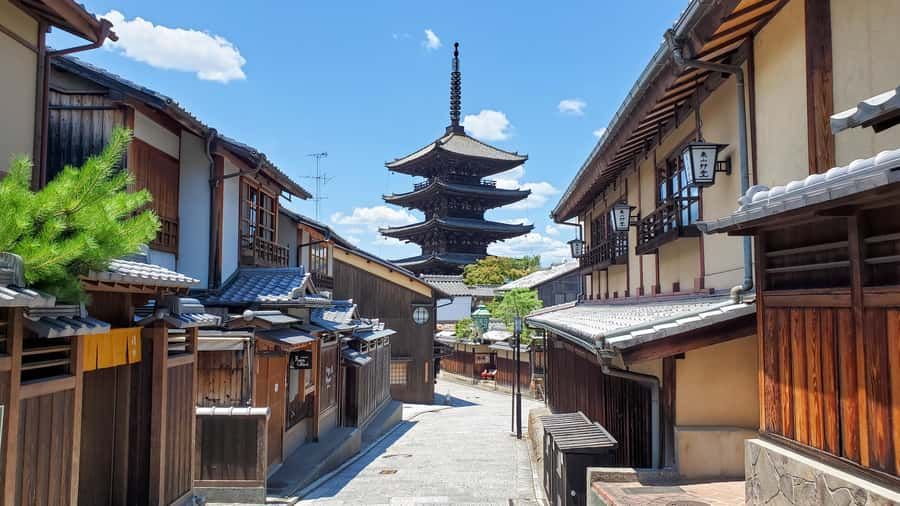
The heart of the route is Gion’s traditional architecture. You will walk through narrow streets and see wooden houses and tea houses, with your guide explaining the area’s past and present.
Do not expect every building to be open for public entry. No specific attraction admissions are included, and the experience is designed around viewing the district from the streets. That is not a weakness, but you should know what you are buying. This is an outdoor neighborhood walk, not a series of interior visits.
The value comes from connecting the pieces. A row of wooden buildings can look attractive on its own, but local explanations help you see why the streets are laid out as they are and how the district remains tied to Kyoto’s traditional culture.
The quieter morning setting is especially useful here. When the streets are calm, you can take photographs without making the walk feel like a race. A camera is recommended, but remember that photography should never come before courtesy, especially near homes or people working in the area.
At night, the same streets may feel less easy to read visually but more atmospheric. The contrast between darkness and traditional facades can produce striking photographs, including in rainy weather. If you prefer clear architectural study, choose morning. If you care more about mood, night may suit you better.
The guide makes the difference
This is a small-scale experience in spirit, even though the group size is not provided. You meet the guide at Exit 4 on the ground and return to that same meeting point at the end. There is no hotel pickup or drop-off, so you need to make your own way there.
The only guide name provided is Kimu. One guest found Kimu polite and adaptable, and appreciated help exploring Gion at night. Another guest had difficulty understanding the English and felt the explanations were limited. I would treat those comments as a useful warning rather than a reason to reject the tour.
A walking tour depends on communication. If you can ask questions easily and your guide explains ideas at a pace you understand, the experience can give Gion much more meaning. If you struggle to follow the English, you may end up with a pleasant walk but only a thin layer of information.
The strongest indication of flexibility comes from the morning walk that followed a personal itinerary. The guide added stories about less familiar places and incorporated the early cherry blossoms into the outing. That suggests you should tell the guide what interests you at the start: architecture, local customs, photography, or quieter corners of the district.
You should not assume that every guide will offer the same route or style. Kimu is mentioned by name in one account, but the booking does not promise a specific guide. If having that guide matters to you, ask before paying.
More Night Walking Tours in Kyoto
- Gion Walking Tour by Night
★ 4.5 · 429 reviews - Kyoto: Gion Sunset Walking Tour with Local Guide
★ 4.7 · 351 reviews - Kyoto Fushimi-Inari Night Walking Tour
★ 4.8 · 171 reviews - Kyoto: Gion Evening Walk with Hidden Gems, Geisha & Sake
★ 5.0 · 41 reviews
What the $40 price really covers
At $40 per person, this is reasonably priced if you want context and company while seeing Gion. The fee includes a guided walk, an English-speaking local guide, and the morning access described for the morning option.
It does not include meals, drinks, hotel transport, or entrance fees. Since the experience is based on walking through the district, you should budget separately for anything you want to eat or visit afterward.
I would compare the price with your travel style. If you are happy to wander Gion alone and read about it later, you can save the fee. If you want someone to explain the local culture as you go, $40 is a fair way to add meaning to a district that can otherwise seem like a collection of pretty streets.
The value is strongest for a first visit to Kyoto. A guide can help you get oriented and show you how to look at the area. It is less valuable for someone seeking a formal cultural performance, a food tour, or access to private venues, since none of those are included.
The reserve-now, pay-later option also helps if your plans are still changing. Cancellation is allowed up to 24 hours in advance for a full refund. Last-minute bookings may be canceled, so do not leave this particular walk until the final hours if it is important to your schedule.
Practical preparation for the walk
Wear comfortable walking shoes. That advice sounds ordinary, but it matters here because the whole experience takes place on foot and the streets may be uneven or tiring over time.
Carry water, especially if you choose a warmer morning. Bring a camera if you want to record the wooden houses, quiet lanes, or rainy nighttime scenes, but use it with care. Photography should not disturb residents or people working in the district.
Prepare for changing weather. The tour does not promise indoor shelter, and the experience is built around walking outside. A light rain layer can be useful, though the supplied information does not specify what happens in severe weather.
Smoking is not allowed. You should also respect local customs and traditions. That means keeping your voice low, avoiding blocked entrances, and following your guide’s instructions around private property and cultural areas.
The meeting point is Exit 4 on the ground. The walk ends back at the same meeting point, which makes it easier to continue sightseeing afterward. Since no hotel transfer is included, allow enough time to reach the starting point without rushing.
Who will enjoy this Gion tour most
I would recommend the morning walk to first-time visitors who want a calm introduction to Kyoto. It suits photographers, architecture fans, and anyone who prefers seeing a district before the crowds become a problem.
The night walk is better for people who enjoy atmosphere. Rainy conditions can add to the visual appeal, and the older streets may feel especially striking after dark. You still need to accept that the tour is about the district itself, not guaranteed geisha sightings.
This experience also suits visitors who like asking questions. The best version of the tour is not just a silent walk behind a guide. It is a chance to ask what you are seeing and why the area remains important.
I would be more cautious if you need highly detailed English explanations at every stop. One account describes difficulty understanding the guide, and another found the tour less informative than expected. The experience may work better for you if you are comfortable with conversational English and willing to ask for clarification.
Families and older visitors should consider their own walking comfort, since no accessibility details or duration are provided. The tour is not presented as strenuous, but it is still an outdoor walking activity with no included transport.
How Gion fits into a Kyoto day
The walk can work well near the start of a Kyoto itinerary. A morning visit lets you see the streets in a quiet state, then continue to other sights after the tour returns to Exit 4.
You can also use it as a way to orient yourself before exploring independently. Once you understand the layout and cultural character of Gion, a later return may feel more rewarding. You will know to slow down and notice the details instead of treating the district as a quick photo stop.
The nighttime version can fit after a day of sightseeing, but remember that meals and drinks are not included. Plan those separately. The tour itself remains focused on walking and explanation.
The early cherry blossoms mentioned during one morning route also show why seasonal timing can add something special. You should not expect blossoms on every date, but the changing season may give the streets another point of interest beyond the buildings.
Should you book the Gion Morning/Night Walking Tour?
Book it if you want a simple, guided introduction to Gion, especially in the quiet morning hours. The traditional houses, tea houses, narrow streets, and local stories make this more useful than wandering without context, and the $40 fee is fair for that kind of introduction.
Choose the night option if atmosphere and photography matter more to you than clear views. Choose morning if you want peace, easier photographs, and a better chance to study the architecture.
Skip it if you are mainly hoping to see geisha, enter private tea houses, enjoy a meal, or attend a performance. Those are not guaranteed or included. Also think twice if you need very detailed English commentary and cannot easily ask questions.
For most first-time Kyoto visitors, I would choose the morning walk and arrive ready to listen, walk, and respect the neighborhood. It offers the clearest look at Gion without pretending to offer something it cannot promise.
FAQ
Where does the Gion walking tour start?
Meet the guide at Exit 4 on the ground.
Where does the tour finish?
The activity ends back at the meeting point.
Is the tour available in the morning and at night?
Yes. You can choose a morning or nighttime walking tour, although the included information specifically describes exclusive morning access for the morning option.
What language is the tour offered in?
The tour is offered in English.
How much does the tour cost?
The listed price is $40 per person.
Is hotel pickup included?
No. Hotel pickup and drop-off are not included.
Are food and drinks included?
No. Meals and drinks are not included.
Are entrance fees included?
No. Entrance fees for specific attractions are not included.
Can I cancel for a full refund?
Yes. You can cancel up to 24 hours in advance for a full refund. Last-minute bookings may have to be canceled.
More early starts around Kyoto
- Da Nang: Han River Night Cruise with Sunrise Cocktail
★ 3.8 · 14 reviews - Hurulu Eco Park: 3-Hour Morning or Evening Safari
★ 4.9 · 11 reviews - Funchal: Private Sailing Sunrise, Sunset & Moonlight Cruises
★ 5.0 · 8 reviews - Bundala National Park: 3-Hour Morning or Evening Safari
★ 5.0 · 2 reviews
Just added for nights around Kyoto
- Kyoto: Station and Tower Night Tour with Light Show★ 4.8 · 5 reviews
- Kyoto: Nighttime Zen Meditation and Matcha Tea Experience★ 5.0 · 7 reviews
- Kyoto: Gion Evening Walk with Hidden Gems, Geisha & Sake★ 5.0 · 41 reviews
- Kyoto: Foodie Night Tour in Gion with 9 dishes + 6 Sake★ 4.4 · 26 reviews
- Kyoto: Night Walking Tour with Geisha Traditions★ 5.0 · 21 reviews
- Kyoto Magic Night Walk: Gion & Fushimi Inari(Private Option)★ 5.0 · 5 reviews
- Kyoto: Fushimi Inari Taisha Night Tour with Guide★ 4.2 · 4 reviews
- Kyoto: Gion & Geisha district evening tour★ 4.1 · 4 reviews
Kyoto Night Tours, compared.
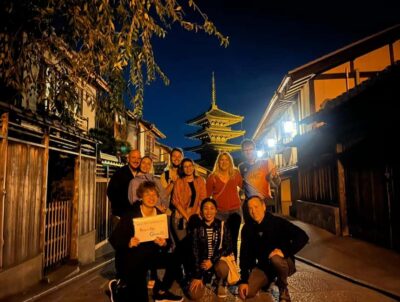
Kyoto: Gion Magical Night Walking Tour with Geisha Trivia
Read our review →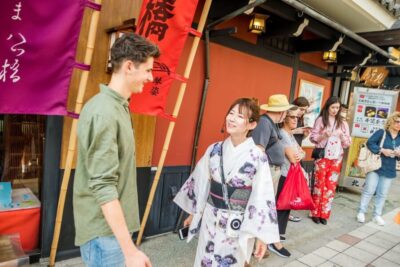

Kyoto Night Foodie Tour in Gion (9+ dishes + 6 Sake tastings)
Read our review →
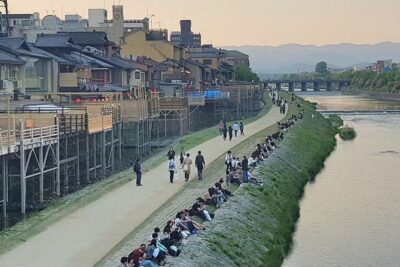
Kyoto Nighttime All-Inclusive Eats and Streets, Gion and Beyond
Read our review →

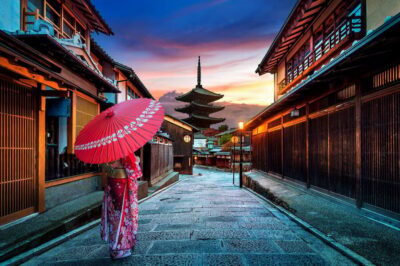
Kyoto: Gion Sunset Walking Tour with Local Guide
Read our review →Browse the lists this tour appears in