
Review · KYOTO
Kyoto: Night Walking Tour with Geisha Traditions
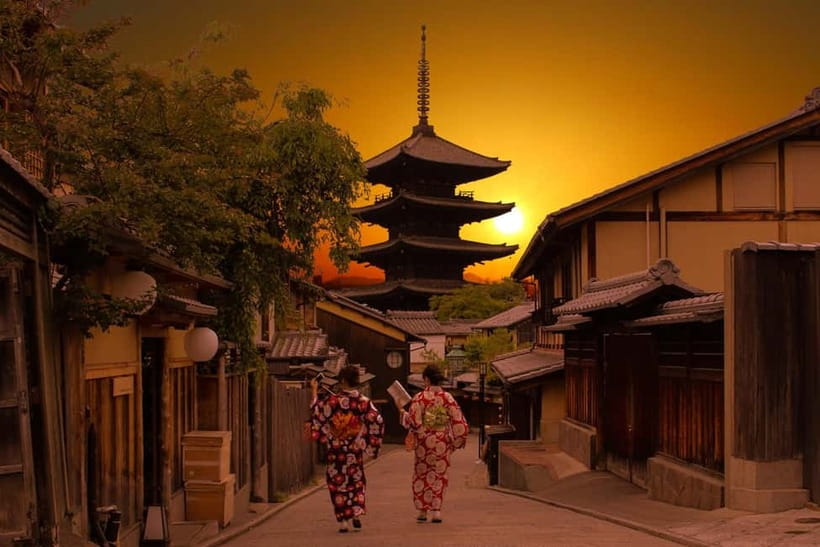
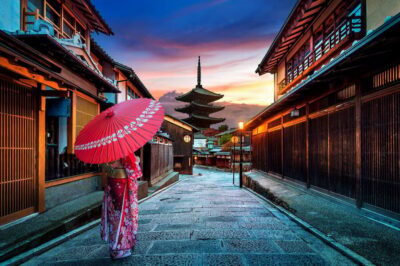
Kyoto’s Gion district is at its most atmospheric after sunset, when lanterns glow over wooden machiya houses and the narrow streets take on a quieter, more formal mood. This tour uses that setting to explain geisha and maiko traditions, from their demanding training to the places where they pray, work, and live.
I like the walk’s focus on small shrines and local customs, not just famous photo spots. I also like the blend of old Kyoto stories with odd modern details, including Pokémon-themed manholes. The main limitation is important: you view the geisha performance from outside the tea house rather than entering for a private show.
- Lantern-lit Gion after dark: Walk through historic lanes when the district’s traditional architecture takes on a special mood.
- Geisha life explained clearly: Learn about maiko and geisha training, etiquette, work, and the shrinking number of practitioners.
- Small shrines included: See places tied to prayer, festivals, professional success, and Kyoto’s spiritual customs.
- A performance viewed from outside: This is not a tea-house admission or seated cultural show.
- Guides with a personal touch: Yo and Liu are named guides praised for friendly explanations and strong knowledge of Kyoto and Japan.
- Low-cost cultural introduction: At $20 per person, this is an affordable way to get context before exploring Gion on your own.
Entering Gion Under the Lanterns
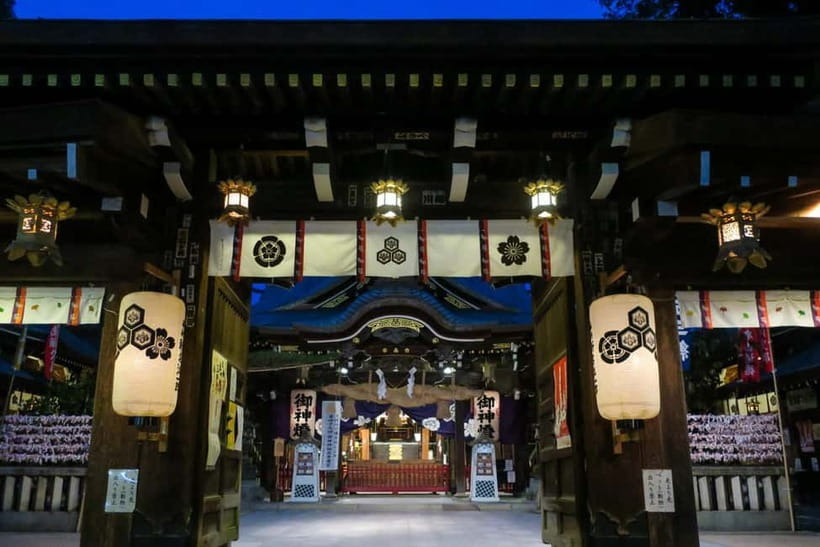
The meeting point is in front of a 7-Eleven, and the tour ends back there. That simple arrangement matters in Gion, where narrow lanes can make a first meeting confusing, especially after dark.
From the start, expect a walking tour rather than a staged cultural production. Your guide leads you through the district while explaining how Gion developed around entertainment, worship, seasonal celebrations, and the work of geisha and maiko.
The evening setting is a good choice. Daylight makes Gion easier to photograph, but night brings out the details that give the neighborhood its character: lanterns, quiet wooden facades, incense, and the careful pace of people moving between businesses.
You should also set your expectations correctly. This is a guided walk through the area, not a visit inside a tea house. The value comes from understanding what you are seeing instead of simply hoping to spot a performer on the street.
What Gion’s Wooden Streets Reveal
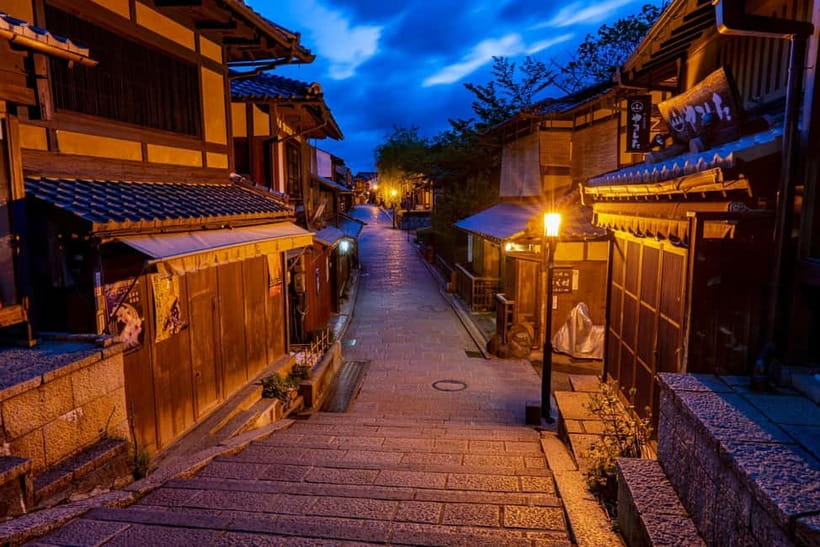
Gion’s machiya townhouses are one of the clearest visual links to old Kyoto. Their narrow frontage and traditional wooden design reflect a city shaped by limited street space, trade, craft, and neighborhood life.
As you walk, your guide places the buildings in context. The streets are not just a backdrop for photographs. They are part of a district with rules, customs, working spaces, shrines, and long-standing relationships between performers, teahouses, and local residents.
That explanation helps you read the area more carefully. A lantern or discreet entrance may look decorative at first, but it can point to the formal world behind Gion’s public streets. The tour gives you a better sense of why visitors should behave quietly and respectfully here.
Photography may be restricted in certain areas. Follow the guide’s instructions, and do not treat the district like an open-air film set. Gion is also a working neighborhood, and that is part of its appeal.
More Night Walking Tours in Japan
- Kyoto: Gion Magical Night Walking Tour with Geisha Trivia
★ 4.9 · 2,393 reviews - Night Walk in Gion: Kyoto’s Geisha District
★ 4.5 · 2,003 reviews - Kyoto Gion Night Walk & Geisha District Guided Tour
★ 5.0 · 786 reviews
Understanding Geisha and Maiko Training
The strongest part of the experience is the explanation of daily life for geisha and maiko. You learn about the time, discipline, and etiquette required for this profession, rather than receiving only a quick introduction to costumes and makeup.
The tour points out places connected to the geisha community, including training locations, shrines where performers pray for success, and areas associated with their daily lives. You do not enter every place, but seeing these locations while hearing their purpose gives the district more meaning.
Your guide also explains the difference between the stages of the profession and the demanding preparation involved. The emphasis is on work and tradition, not on turning geisha into a spectacle.
The number of practitioners is now fewer than 200, according to the information presented on the tour. That fact gives the discussion a modern edge. You are not looking at a frozen piece of history. You are seeing a tradition that still exists but has a small and carefully maintained community.
This is where a good guide matters. Yo is praised for explaining both local and national Japanese history in a personal way. Liu has also been singled out for his energy, warmth, and enthusiasm for Kyoto and Japan. Guide assignments can vary, but those comments suggest that the experience depends heavily on who leads your walk.
The Tea-House Performance: Know the Difference
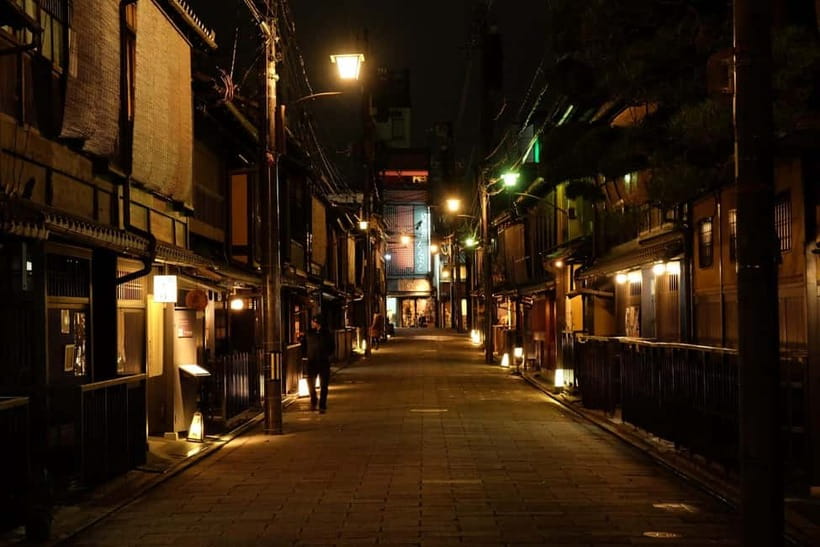
The tour includes viewing a geisha performance from outside a tea house. That wording deserves attention because it is easy to picture something more formal than what is offered.
You are not entering a tea house, and you are not attending a private geisha performance inside. Instead, the walk includes a stop connected to a performance that you view from outside. The experience therefore offers a glimpse of the setting and tradition, not the full atmosphere of a seated cultural show.
For some people, that is enough. You get context from the guide, see the relationship between the performers and the tea-house district, and avoid paying for a much more expensive private experience. At $20, the tour provides an affordable introduction.
If your main goal is to watch a long geisha dance, hear music up close, or enter a tea house, this tour will not meet that aim by itself. Check the exact arrangement when booking, since the description also makes clear that the group will not be attending a performance inside.
The respectful approach is to watch only where permitted and avoid intrusive photography. The point is to understand the setting, not to chase performers through the lanes.
Small Shrines and Kyoto’s Spiritual Side
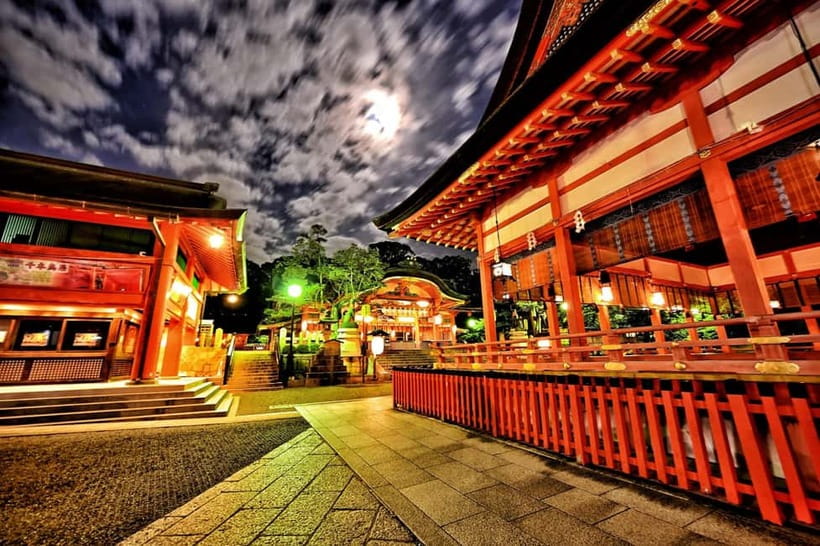
Gion’s shrines add another layer to the evening. These are not simply stops for a quick photograph. They connect the district to prayer, festivals, professional hopes, and the spiritual customs that shape daily life in Kyoto.
You may hear about prayers for success, seasonal celebrations, and the role of shrines in local neighborhoods. The guide also shares historical anecdotes, including humorous details that keep the walk from becoming a long lecture.
This part of the tour is especially useful if you have already seen Kyoto’s major temples and want a smaller-scale look at local religious life. The shrines help explain why Gion is more than an entertainment quarter. It is also a place where people maintain personal and seasonal traditions.
The experience combines old and new Japan in a natural way. One moment you are hearing Edo-era stories; the next, you may notice a Pokémon-themed manhole cover. That contrast is not a distraction. It shows that Kyoto’s traditional streets are part of a living modern city.
More Night Walking Tours in Kyoto
- Gion Walking Tour by Night
★ 4.5 · 429 reviews - Kyoto: Gion Sunset Walking Tour with Local Guide
★ 4.7 · 351 reviews - Kyoto Fushimi-Inari Night Walking Tour
★ 4.8 · 171 reviews - Kyoto: Gion Evening Walk with Hidden Gems, Geisha & Sake
★ 5.0 · 41 reviews
A Guide Makes the Difference
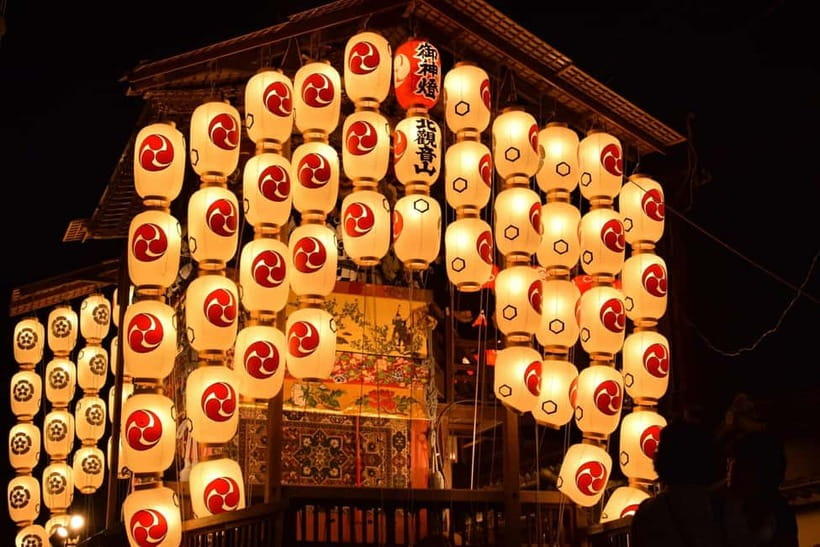
The tour is offered in English, and the guide shapes much of the evening. Yo has been praised for a friendly manner and for explaining the significance of landmarks along the route. Liu is noted for keeping the experience energetic and personal, even during heavy rain.
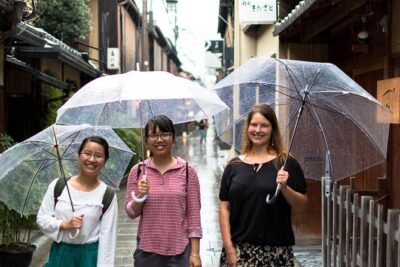
That rain detail is worth noting. One guest ended up with a private one-to-one tour because of bad weather and still found the guide engaged and generous with his explanations. You should not assume you will receive a private tour, but it does suggest that the walk can retain its value when conditions are less than perfect.
A strong guide also helps you avoid common misunderstandings. Geisha are not simply entertainers in costume, and Gion is not a themed village built for visitors. The best explanations show how training, etiquette, business, religion, and neighborhood life fit together.
You will likely get more from this tour if you ask questions. Ask about the training process, the meaning of a shrine, the difference between geisha and maiko, or how festivals affect the district. The listed experience is short on spectacle but strong on conversation and interpretation.
How Much Walking and What to Wear
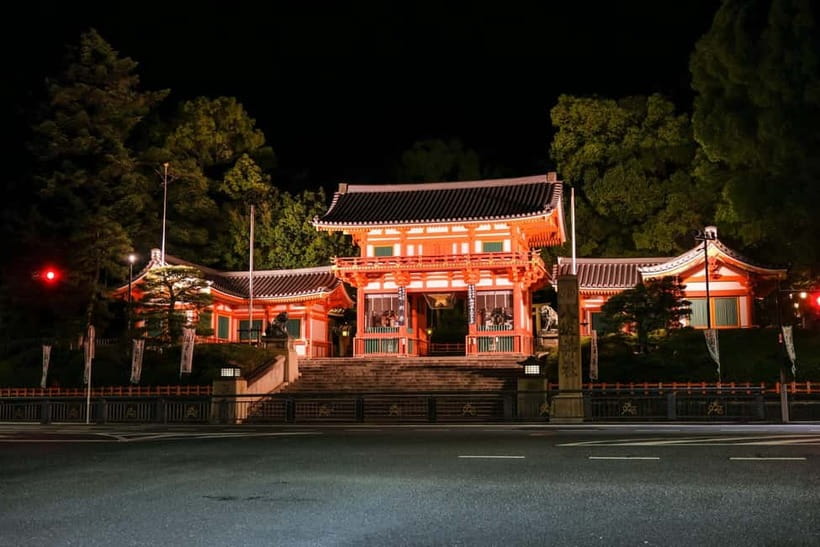
The tour involves walking through historic streets and alleys. The information does not specify a total distance or duration, so plan for a normal evening walking experience rather than a quick roadside stop.
Wear comfortable shoes. Gion’s lanes and older streets are best handled at a steady pace, and the tour works better when you can look around instead of worrying about sore feet.
Weather also matters. Kyoto evenings can be wet, and the walk continues outdoors. Bring rain protection when the forecast calls for it. The guide can still explain the neighborhood in poor weather, but lantern-lit streets are easier to enjoy when you are dry.
Because the tour takes place at night and includes narrow lanes, stay with the group and listen for instructions about photography. The meeting point is easy to identify, but returning to it at the end still requires attention if you become distracted by the streets.
What the $20 Price Really Buys
At $20 per person, this is a good-value introduction to Gion. You pay for a local English-speaking guide, a focused walk through one of Kyoto’s most culturally important districts, and explanations that would be difficult to gather from a map alone.
The price does not include tea-house entry, personal expenses, or a private indoor performance. That keeps the cost low, but it also means you should not compare this directly with an evening dinner or formal geisha entertainment.
I see the tour as a way to add meaning to a self-guided visit. You can walk through Gion on your own for free, but you may miss the significance of the shrines, training spaces, and discreet tea-house entrances. The guide gives you a framework for noticing those details.
It is also useful early in a Kyoto visit. After the walk, you can return to Gion independently with a better sense of local etiquette and a clearer idea of what you are seeing. For a later visit, the tour may still work because the stories and side streets offer more than the usual first-look itinerary.
The flexible booking terms add practical value. You can reserve and pay later, and cancellation is allowed up to 24 hours in advance for a full refund. Keep those terms in mind when arranging a weather-sensitive evening.
Who Will Get the Most From This Walk
I would recommend this experience to first-time Kyoto visitors who want a clear introduction to Gion without paying for a high-end cultural evening. It also suits returning visitors who have seen the major temples and want a closer look at neighborhood traditions.
It is a good match for you if you enjoy:
- Guided storytelling rather than a long list of photo stops
- Japanese history mixed with present-day local details
- Small shrines and customs that are easy to overlook
- Learning about geisha without entering a private tea house
- A short, affordable evening activity in central Kyoto
It may not suit you if your priority is an indoor geisha performance, a meal, or extensive access to tea-house interiors. You should also reconsider if walking outside in uncertain weather will make the evening unpleasant.
Families and mixed-age groups may appreciate the variety. The tour moves between architecture, religion, local history, entertainment traditions, and modern pop culture, so it is not dependent on one narrow topic.
Respecting Gion’s Working Neighborhood
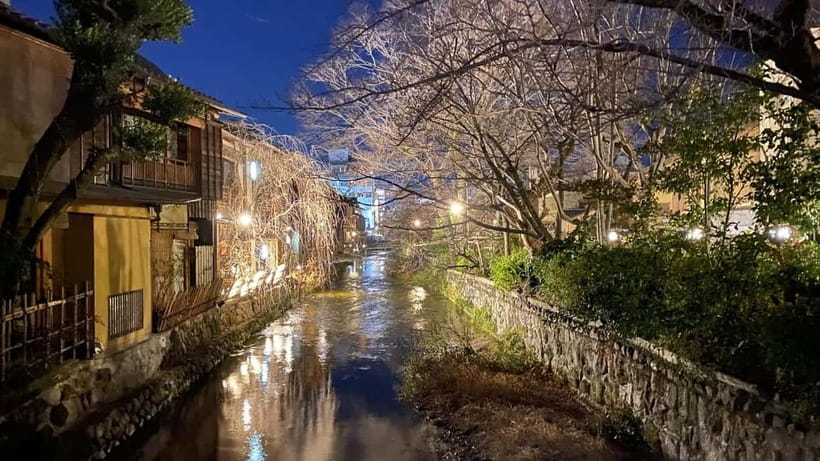
A little courtesy makes a large difference here. Gion is a real neighborhood and workplace, not merely a stage for visitors. Keep voices low, stay out of private entrances, and ask before taking photographs where restrictions apply.
Do not block narrow lanes while waiting for a performer. If the guide tells you that photography is not allowed in a particular area, put the camera away. You will see more and cause fewer problems by observing calmly.
This respectful approach also improves the experience itself. Geisha culture is easier to understand when you see the people involved as professionals protecting a demanding tradition, not as characters available for casual snapshots.
Should You Book the Gion Night Walk?
Book this tour if you want an affordable, guide-led introduction to Gion’s geisha traditions, shrines, wooden streets, and seasonal customs. The combination of Yo’s or Liu’s conversational style, the nighttime setting, and the $20 price makes it a sensible addition to a Kyoto itinerary.
Just keep the performance detail in view. You watch from outside the tea house, and you do not receive tea-house admission or a full indoor show. If you accept that limitation, the walk offers something valuable: context, local stories, and a more respectful understanding of one of Kyoto’s most famous districts.
FAQ
Where does the tour begin?
The tour begins in front of a 7-Eleven.
Where does the tour end?
The activity ends back at the meeting point.
What language is the tour offered in?
The tour is offered in English.
Does the tour include entry into a tea house?
No. Entry into tea houses is not included.
Can I watch a geisha performance?
The tour includes viewing a geisha performance from outside a tea house. It does not include attending a performance inside the tea house.
What does the tour cover?
The walk covers Gion, geisha and maiko traditions, small shrines, Kyoto festivals, spiritual customs, historic alleys, and local stories.
Is photography allowed everywhere?
No. Photography may be restricted in certain areas, so follow the guide’s instructions.
Does the price include personal expenses?
No. Personal expenses are not included.
Can I cancel for a refund?
You can cancel up to 24 hours in advance for a full refund.
Just added for nights around Kyoto
- Kyoto: Station and Tower Night Tour with Light Show★ 4.8 · 5 reviews
- Kyoto: Nighttime Zen Meditation and Matcha Tea Experience★ 5.0 · 7 reviews
- Kyoto: Gion Evening Walk with Hidden Gems, Geisha & Sake★ 5.0 · 41 reviews
- Kyoto: Foodie Night Tour in Gion with 9 dishes + 6 Sake★ 4.4 · 26 reviews
- Kyoto: Gion Morning/Night Walking Tour★ 4.3 · 4 reviews
- Kyoto Magic Night Walk: Gion & Fushimi Inari(Private Option)★ 5.0 · 5 reviews
- Kyoto: Fushimi Inari Taisha Night Tour with Guide★ 4.2 · 4 reviews
- Kyoto: Gion & Geisha district evening tour★ 4.1 · 4 reviews
Kyoto Night Tours, compared.
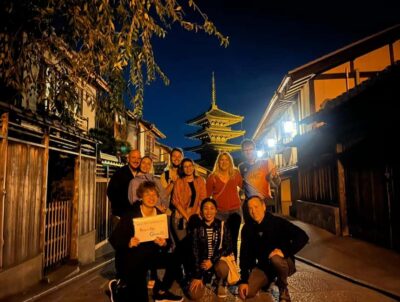
Kyoto: Gion Magical Night Walking Tour with Geisha Trivia
Read our review →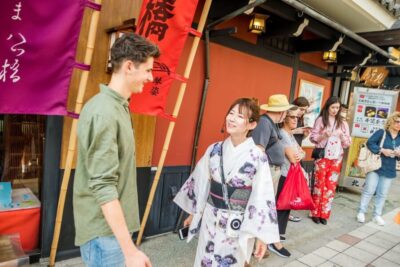

Kyoto Night Foodie Tour in Gion (9+ dishes + 6 Sake tastings)
Read our review →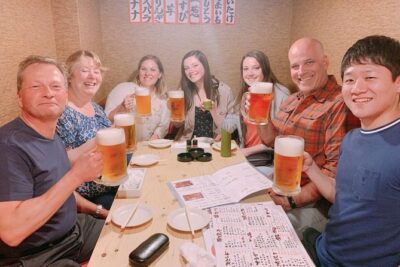
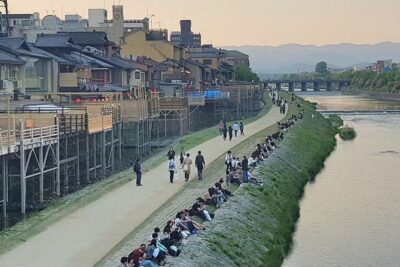
Kyoto Nighttime All-Inclusive Eats and Streets, Gion and Beyond
Read our review →
Kyoto: Gion Sunset Walking Tour with Local Guide
Read our review →Browse the lists this tour appears in