Review · KYOTO
Kyoto Magic Night Walk: Gion & Fushimi Inari(Private Option)
Kyoto changes after sunset. The crowds thin, the torii gates at Fushimi Inari glow against the dark, and Gion’s old streets take on a quieter, more private feel. This walking tour brings those two sides of Kyoto together with a local English-speaking guide, often someone like Ikki, who can explain both old customs and present-day Japan.
I like the nighttime setting, which gives Fushimi Inari and Gion a calmer mood than daytime visits. I also like the practical extras: professional photos, free Wi-Fi, and a guide who can help with restaurant suggestions or a taxi at the end. The main drawback is the walking. This is not a bus tour, and the moderate amount of time on foot may be tiring if you have mobility limits.
I also appreciate that the route uses public transport instead of hiding Kyoto behind a coach window. You pay about 400 yen for transport separately, and you need to arrive on time at the Statue of Izumo-no-Okuni, since late arrivals cannot join or receive a refund.
Key points to know before booking
- Fushimi Inari after dark: Walk beneath illuminated torii gates in a quieter evening setting.
- Gion and Higashiyama on foot: See Kyoto’s historic districts without a daytime crowd pressing around you.
- Guide-led cultural context: Learn local stories, customs, and background from an English-speaking Kyoto guide.
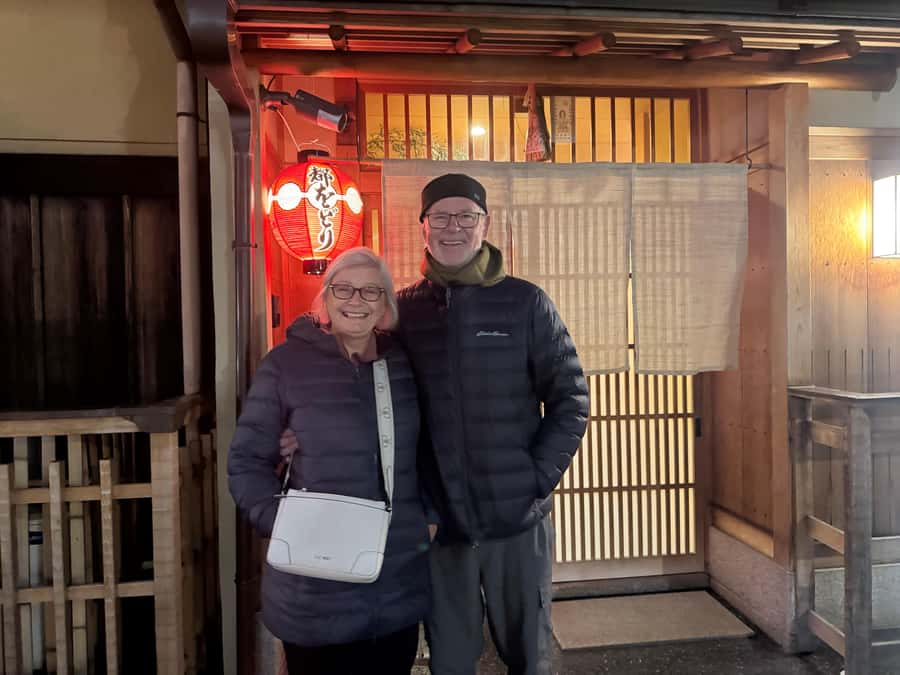
- Ikki’s personal touch: The guide has provided photos, restaurant tips, and taxi help at the end of the evening.
- Public transport and walking: Bring about 400 yen for fares and wear proper walking shoes.
- Good value at $43: The price includes the guide, photos, and Wi-Fi, but not transport, food, or drinks.
Why Kyoto after dark feels different
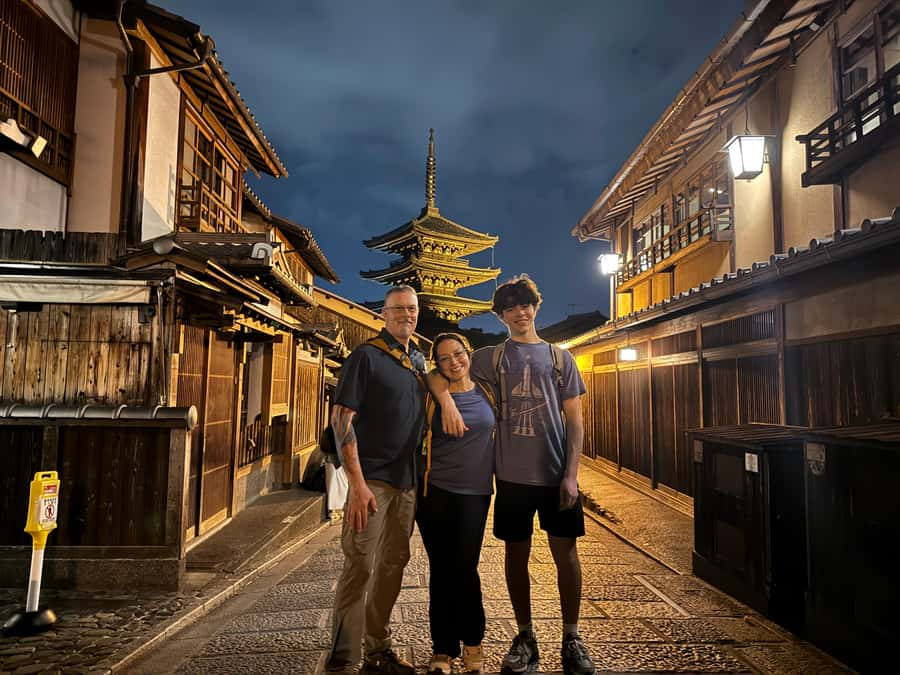
Kyoto is famous for its temples and old neighborhoods, but daytime sightseeing can feel busy and rushed. A night walk changes the pace. You see fewer people, hear more of the city around you, and have more room to notice small details in the streets and shrine grounds.
This tour focuses on two of Kyoto’s best-known areas: Fushimi Inari and Gion, with Higashiyama also included in the route. They offer different moods. Fushimi Inari is a major Shinto shrine with long rows of torii gates. Gion and Higashiyama are old urban districts, where traditional streets and evening customs are the main attraction.
I like this combination because you are not spending the whole evening in one type of place. The shrine gives you a memorable visual setting, while Gion and Higashiyama provide more cultural and neighborhood context.
The tour is designed as a private or small-group walking experience. The exact feel will depend on the option you book, but you should expect to spend substantial time outside and on foot. Public transport connects the areas, so this is best for you if you prefer seeing Kyoto at street level rather than sitting on a sightseeing bus.
More Night Walking Tours in Japan
- Kyoto: Gion Magical Night Walking Tour with Geisha Trivia
★ 4.9 · 2,393 reviews - Night Walk in Gion: Kyoto’s Geisha District
★ 4.5 · 2,003 reviews - Kyoto Gion Night Walk & Geisha District Guided Tour
★ 5.0 · 786 reviews
Meeting at the Statue of Izumo-no-Okuni
The tour starts at the Statue of Izumo-no-Okuni, a well-known meeting point in Kyoto. Your guide waits in front of the statue with a board showing the OTAKU hopper logo. After booking, detailed meeting information and images are provided.
This is one place where planning matters. Kyoto’s central streets can be confusing, especially after dark, and a late arrival has serious consequences. If you miss the meeting time, you cannot join the tour or receive a refund. I would allow extra time for finding the statue, particularly if you are arriving by train or navigating Kyoto for the first time.
If you do not choose a meeting point during booking, this statue is used as the default. That detail is easy to overlook, so check your booking carefully before the evening begins.
The tour ends back at the same meeting point. That makes the return simpler, but you should still think about how you will get back to your hotel afterward. The guide may help with a taxi, as Ikki has done for past participants, but your own return transport and expenses remain separate.
Walking beneath the torii gates at Fushimi Inari
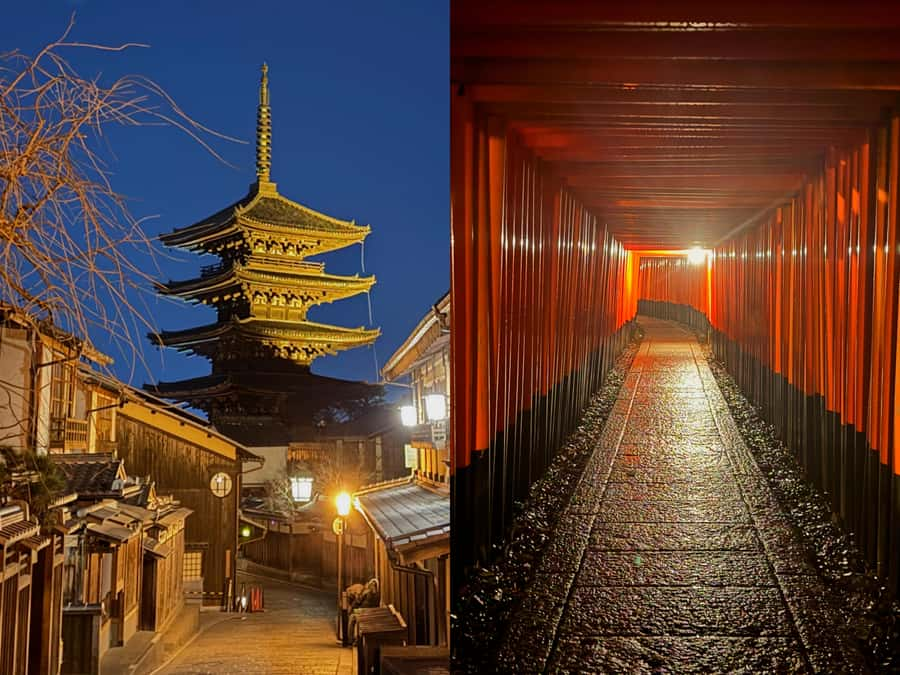
Fushimi Inari is the visual centerpiece of the evening. Its rows of torii gates create a striking passage through the shrine grounds, and illumination gives the familiar red-orange gates a more dramatic look after sunset.
The nighttime timing matters here. During the day, Fushimi Inari is one of Kyoto’s most popular sights. At night, the atmosphere is generally quieter, allowing you to walk at a slower pace and pay closer attention to the gates, shrine setting, and the guide’s explanations.
Your guide can add meaning to what you are seeing. Without context, a long row of gates can become only a good photo opportunity. With an English-speaking local guide, you can ask questions about the shrine, Japanese religious customs, and the stories connected with Kyoto.
The tour description promises plenty of time on foot, but it does not specify how far along the shrine route the group goes or how long it stays there. Do not book this expecting a quick stop beside the entrance. You should be ready for a moderate walk and comfortable with uneven or sloping paths if they form part of the route.
Comfortable shoes are not a minor suggestion here. Shoes with good support will make the evening much more pleasant, especially if you have already spent the day sightseeing.
Gion after sunset
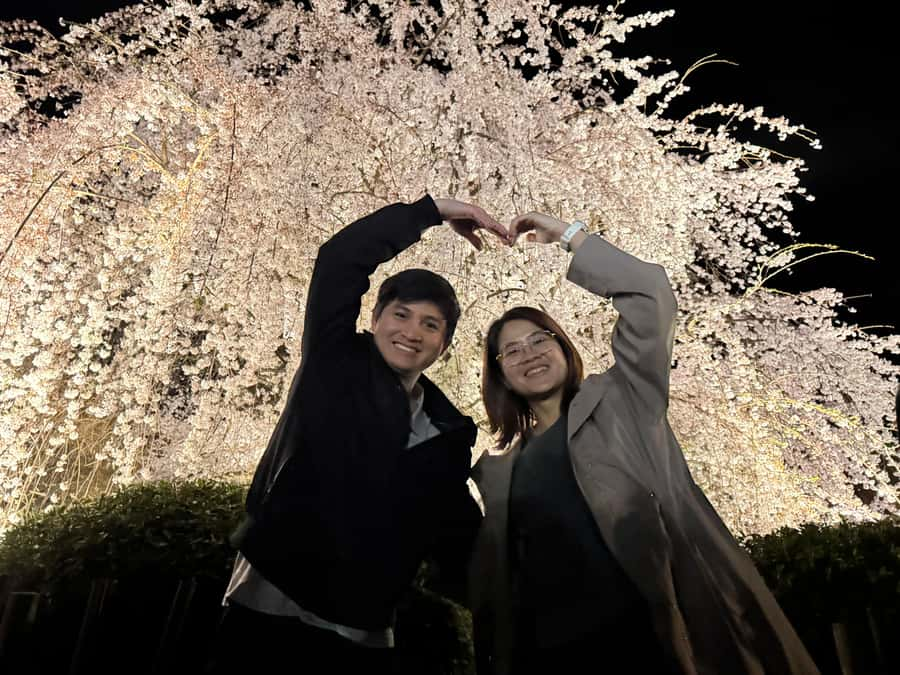
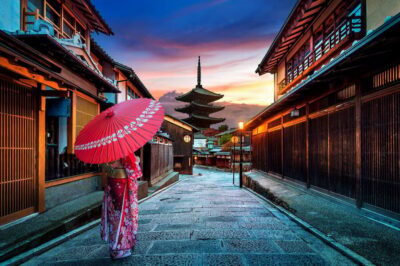
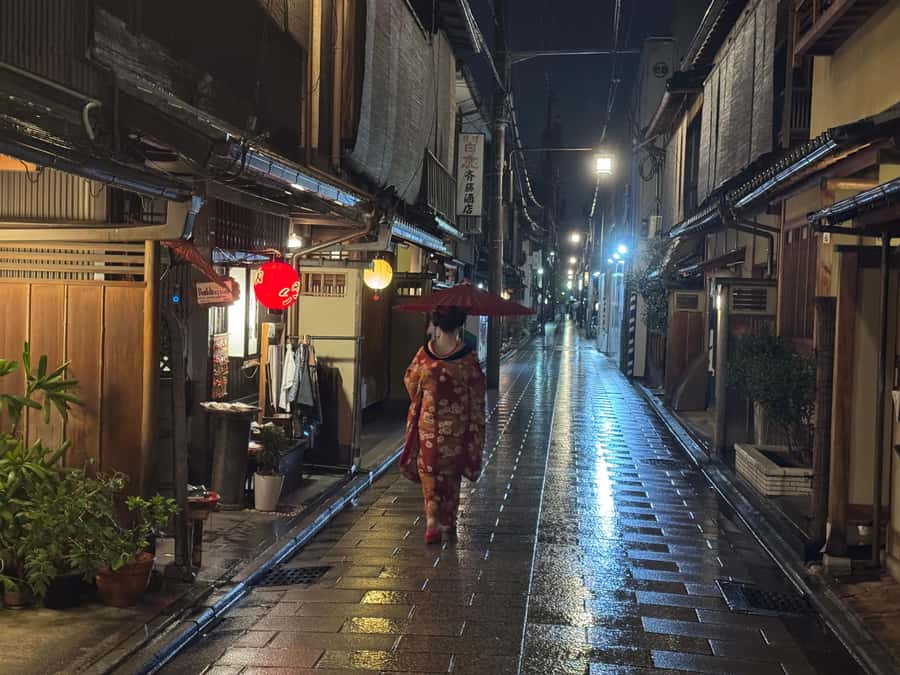
Gion offers a very different experience from Fushimi Inari. Instead of torii gates and shrine grounds, you walk through one of Kyoto’s best-known historic districts, with traditional streets and evening activity shaping the mood.
The area is associated with geisha and maiko culture, and the tour gives you a chance of seeing a maiko or geisha. That possibility should be treated as luck, not as a promise. A respectful distance and quiet behavior are important if you happen to see one.
The real value of walking through Gion is not simply spotting a costumed performer. A local guide can explain how the district functions, point out details you might miss, and give you a better sense of the difference between a tourist photo stop and a living neighborhood.
You should also remember that Gion is not a stage set built only for sightseeing. People live and work there. Keep voices low, avoid blocking narrow streets, and follow the guide’s lead about where to stop for photos.
The evening setting helps here. Gion’s streets can feel more atmospheric after dark, but low light also means you should stay with the group and pay attention to where you are walking.
More Night Walking Tours in Kyoto
- Gion Walking Tour by Night
★ 4.5 · 429 reviews - Kyoto: Gion Sunset Walking Tour with Local Guide
★ 4.7 · 351 reviews - Kyoto Fushimi-Inari Night Walking Tour
★ 4.8 · 171 reviews - Kyoto: Gion Evening Walk with Hidden Gems, Geisha & Sake
★ 5.0 · 41 reviews
Higashiyama and Kyoto’s older neighborhoods
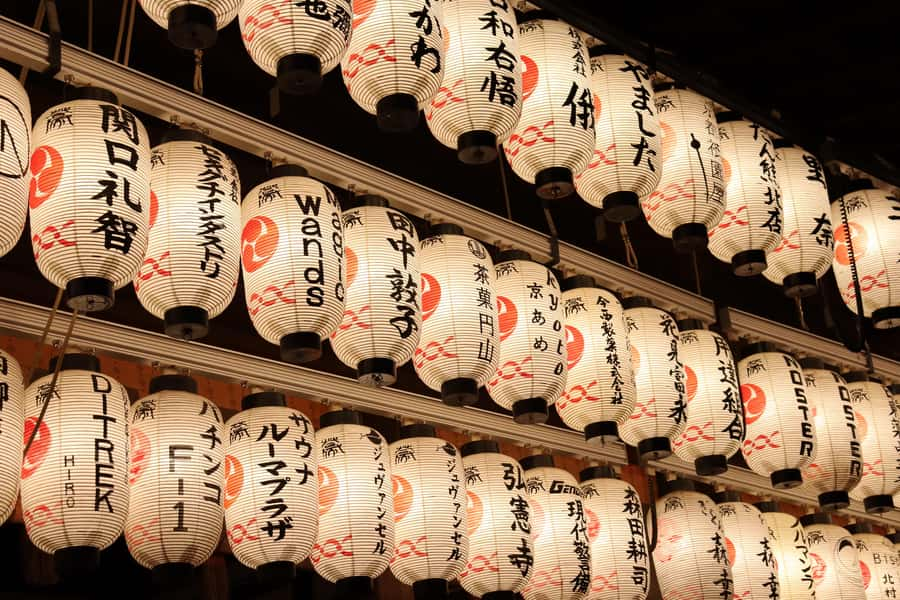
The route also includes Higashiyama, one of Kyoto’s oldest areas. The supplied details do not promise a fixed list of temples, lanes, or viewpoints within Higashiyama, so you should not expect a fully itemized sightseeing schedule.
What you can expect is a guided walk through an older part of Kyoto, with explanations about local history and culture along the way. This is useful for you if you want more than a sequence of famous names. A guide can connect the streets you see with the customs, buildings, and traditions that shaped them.
The lack of a tightly described stop-by-stop itinerary may be a benefit for some people. A small-group or private walk can adjust its pace, answer questions, and spend more time on subjects that interest you. It may be less satisfying if you want an exact schedule with fixed arrival times at every sight.
I would think of Higashiyama as part of the evening’s atmosphere rather than a separate attraction with a single major payoff. Fushimi Inari delivers the strongest visual moment. Gion and Higashiyama provide the street-level setting and cultural conversation around it.
What the guide adds to the evening
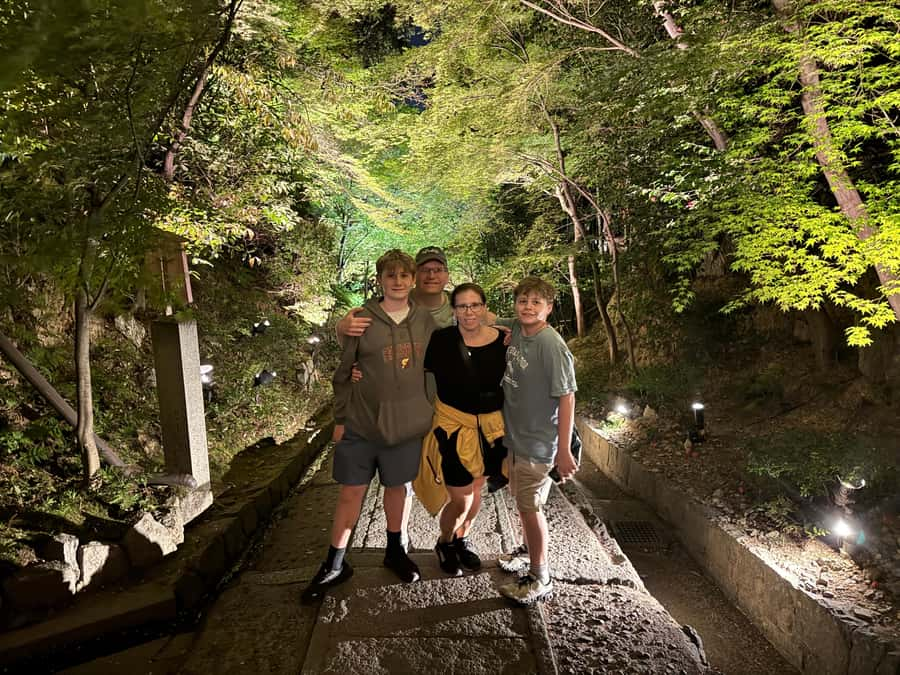
The guide is central to the value of this tour. The experience includes a passionate local English-speaking guide, and the strongest praise has gone to Ikki, who has been described as patient, kind, and able to explain both Japanese history and current events.
That combination is useful. You can ask about the shrine and old districts, but you can also ask broader questions about life in Japan today. A guide who handles both subjects can make the walk feel like a conversation rather than a memorized speech.
Ikki has also provided restaurant recommendations and helped hail a taxi at the end. Those are small services, but they matter after a night walk. You may finish hungry, tired, or unsure where to eat, and a local suggestion can save time.
The guide also takes professional photos during the tour. This means you can enjoy the walk without constantly stopping to photograph your group. It is not a substitute for taking your own pictures, but it is a useful extra, especially in low light when getting a good shot can be difficult.
The photos are sent after the tour according to the experience details provided. If this matters to you, ask your guide when and how you will receive them.
How the $43 price compares with the experience
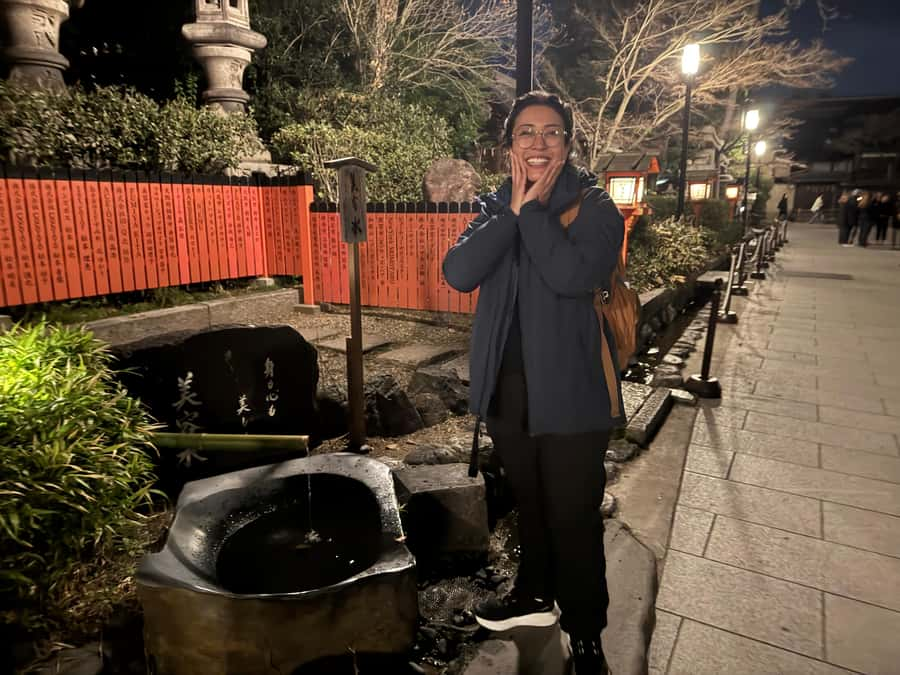
At $43 per person, this tour is reasonably priced for a guided evening in Kyoto, especially if you value local explanation and photographs. The fee includes the English-speaking guide, free Wi-Fi, and professional photos.
You must add about 400 yen for public transportation. Food, drinks, and personal expenses are also separate. That keeps the headline price low, but your actual evening cost will be higher if you buy dinner, snacks, or a taxi afterward.
The value is strongest when you want help understanding what you see. If you are comfortable navigating Kyoto alone, using trains or other public transport, and reading about the sites in advance, you can visit Gion and Fushimi Inari without a tour. In that case, the main reasons to pay are the guide’s local perspective, the organized route, and the photos.
The private or small-group format can also improve the value. A smaller group usually makes it easier to ask questions and keep a steady walking pace, though the available option and group size should be confirmed when booking.
I would not choose this tour simply because it is cheap. I would choose it because the timing and guiding turn familiar sights into a more focused evening. The quieter setting, cultural explanations, and help at the end give the price a practical purpose.
The walking, transport, and accessibility reality
This is a walking tour first. Public transport is used between areas, but the main sightseeing happens on foot. The tour description specifically warns that it is not a bus tour and that a moderate amount of walking is involved.
Wear comfortable walking shoes. Sandals or stiff new shoes could make the evening harder, particularly if the route includes shrine paths or extended walks through historic districts.
Baby strollers and baby carriages are not allowed. The tour is also not suitable for wheelchair users. Those restrictions are important because the experience relies on walking through streets and shrine areas rather than moving between stops by private vehicle.
You should also consider your energy level. If you have already spent a full day walking around Kyoto, a night tour may feel tiring. On the other hand, the slower evening pace can be a good way to see more without adding another busy daytime schedule.
Free Wi-Fi is included, which can help with communication and navigation. It does not replace your need to carry a charged phone, especially since the meeting point and return point are in the city.
Who will enjoy this Kyoto night walk
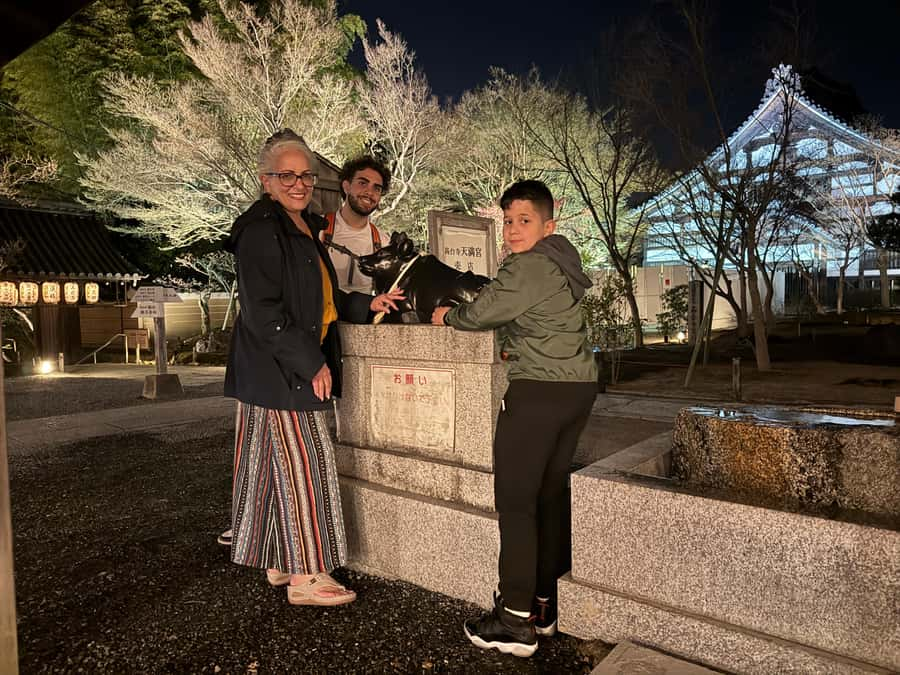
I would recommend this tour to you if you want:
- A quieter visit to major Kyoto sights
- A local English-speaking guide rather than a self-guided route
- A mix of shrine scenery and old city streets
- Cultural explanations and the chance to ask questions
- Professional photos from the evening
- Help with restaurant ideas after the walk
It is especially suitable for first-time visitors who want an introduction to Gion, Higashiyama, and Fushimi Inari without handling every detail alone.
I would be more cautious if you need step-free access, dislike walking, or want a fixed sightseeing bus itinerary. It may also disappoint you if you expect a guaranteed geisha or maiko sighting. That is only a possibility, not the main purpose of the tour.
The strongest match is someone who likes a calm, conversational evening and is willing to trade a little convenience for a closer look at Kyoto’s streets and customs.
Booking details that affect your decision
The tour costs $43 per person and offers a reserve-now, pay-later option, which can help if you are still arranging your Kyoto schedule. You can cancel up to 24 hours in advance for a full refund.
Arrive early at the Statue of Izumo-no-Okuni. The no-late-join rule is strict, and missing the start means losing both the tour and the payment.
Bring money for approximately 400 yen in public transport fares. Since food and drinks are not included, you may also want to plan a meal before or after the walk.
The activity is offered in English. If you want detailed explanations of Kyoto’s past, local customs, and present-day life, the guide’s role is a major part of what you are paying for.
Should you book the Kyoto Magic Night Walk?
Book it if you want to see Fushimi Inari and Gion in one evening, prefer a quieter setting, and enjoy learning through conversation. The combination of a local guide, public transport, professional photos, and possible help with dinner or a taxi gives the tour more usefulness than a simple evening stroll.
Skip it if you need wheelchair access, cannot manage moderate walking, or want a coach-based tour with minimal effort. Also skip it if your main goal is a guaranteed maiko or geisha encounter.
For most able-bodied visitors who want a guided introduction to Kyoto after dark, $43 is a fair price. Arrive early, wear good shoes, bring transport money, and let the evening unfold at walking speed.
FAQ
Where does the Kyoto night walk begin?
The tour begins at the Statue of Izumo-no-Okuni. Your guide waits in front of the statue with a board displaying the OTAKU hopper logo.
Where does the tour end?
The activity ends back at the Statue of Izumo-no-Okuni, the same meeting point used at the start.
Is this a bus tour?
No. It is a walking experience that uses public transportation between areas. You should expect a moderate amount of walking.
How much does public transportation cost?
Public transportation is not included. The estimated cost is about 400 yen.
Are food and drinks included?
No. Food, drinks, and personal expenses are separate from the tour price.
Is the tour suitable for wheelchair users?
No. The tour is not suitable for wheelchair users. Baby strollers and baby carriages are also not allowed.
What happens if I arrive late?
If you are late for the meeting time, you cannot join the tour and will not receive a refund.
More Private Night Tours in Kyoto
- Private Street Food Evening Walking Tour in Ho Chi Minh City
★ 5.0 · 3,175 reviews - Bosphorus Dinner Cruise with Show and Private Table
★ 4.5 · 2,021 reviews - Private Uluwatu Temple and Kecak Fire Dance Evening Tour in Jimbaran Bay
★ 5.0 · 1,199 reviews - Bosphorus Evening Cruise: Dinner, Live Shows & Private Table
★ 5.0 · 801 reviews
More Private Night Tours in Japan
- Kyoto Private Night Tour with a Local – Bars, Bites & Culture
★ 5.0 · 48 reviews - Tokyo by Night Photography Tour (Private Option Available)
★ 5.0 · 151 reviews - Private Tokyo Night Tour
★ 5.0 · 115 reviews - Osaka: Private Vibrant Nighttime Photoshoot (Dotonbori)
★ 4.9 · 80 reviews
Just added for nights around Kyoto
- Kyoto: Station and Tower Night Tour with Light Show★ 4.8 · 5 reviews
- Kyoto: Nighttime Zen Meditation and Matcha Tea Experience★ 5.0 · 7 reviews
- Kyoto: Gion Evening Walk with Hidden Gems, Geisha & Sake★ 5.0 · 41 reviews
- Kyoto: Foodie Night Tour in Gion with 9 dishes + 6 Sake★ 4.4 · 26 reviews
- Kyoto: Night Walking Tour with Geisha Traditions★ 5.0 · 21 reviews
- Kyoto: Gion Morning/Night Walking Tour★ 4.3 · 4 reviews
- Kyoto: Fushimi Inari Taisha Night Tour with Guide★ 4.2 · 4 reviews
- Kyoto: Gion & Geisha district evening tour★ 4.1 · 4 reviews
Kyoto Night Tours, compared.
Kyoto: Gion Magical Night Walking Tour with Geisha Trivia
Read our review →

Kyoto Night Foodie Tour in Gion (9+ dishes + 6 Sake tastings)
Read our review →
Kyoto Nighttime All-Inclusive Eats and Streets, Gion and Beyond
Read our review →