
Review · KYOTO
Kyoto: Nighttime Zen Meditation and Matcha Tea Experience
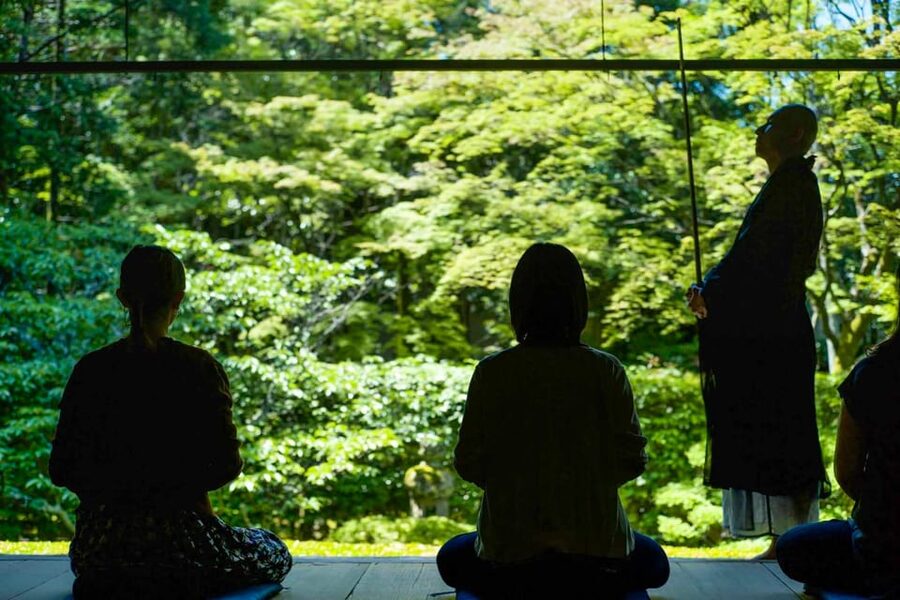
At Keishunin Temple, the night changes the pace. You move through four gardens lit with soft lights, view the little-known Sehakuan tea room and Kano Sansetsu’s fusuma paintings, then sit for zazen meditation with Deputy Chief Priest Yasumasa Arashima. It is a quiet look at Kyoto that asks you to slow down rather than simply take pictures.
I especially like the mix of temple art and lived Buddhist practice, not just a garden walk. I also like the closing tea and Japanese sweet, which give you a simple, grounded way to reflect on the experience. The main consideration is price: at $206 per person for 90 minutes, this is a special-occasion activity, not a budget temple visit.
Key points to know before booking
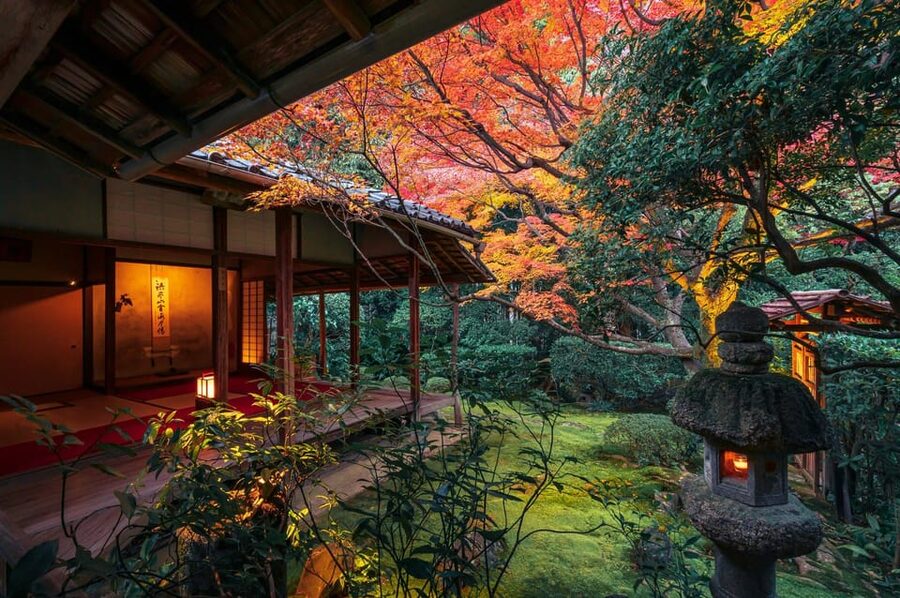
- Night lighting changes the gardens: The four gardens take on a different character after dark, with illuminated paths and planting areas replacing the bright, busy feel of daytime sightseeing.
- You meet a real temple teacher: Deputy Chief Priest Yasumasa Arashima leads the meditation and shares the customs behind zazen.
- The tea room is part of the story: Sehakuan and Kano Sansetsu’s fusuma paintings give the visit an art and architecture focus.
- You practice, not just watch: The zazen session gives you a direct taste of Zen discipline, including what happens when concentration and energy fade.
- The group is private: You can ask questions and follow the guide’s pace without joining a large public tour.
- The format is compact: Ninety minutes works well after dinner or before an evening plan, but it leaves little room for a long, leisurely temple visit.
Entering Keishunin after dark
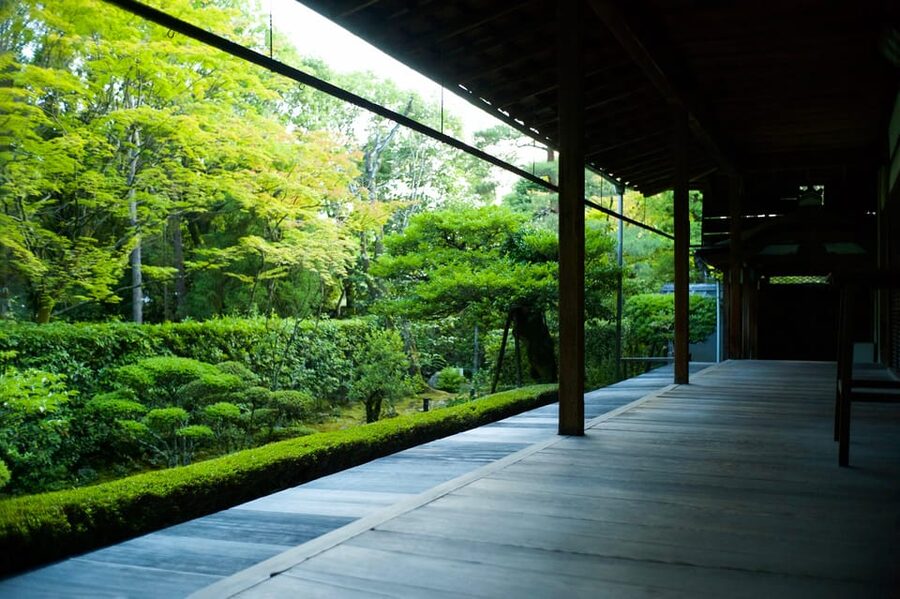
Keishunin is a sub-temple of Kyoto’s Myoshinji Temple complex. This nighttime visit gives you access to a quieter side of the temple, with the gardens illuminated for the occasion.
Your guide meets you at the temple. English and Chinese guiding are available, and the activity is arranged as a private group. That matters here. Meditation and tea are personal activities, and a private setting makes it easier to ask about temple customs without feeling you are holding up a large crowd.
The evening begins with an introduction to Keishunin’s history and culture. You are not simply led from one photo stop to another. The guide helps explain what you are seeing before the experience shifts toward meditation.
The 90-minute length is both useful and limiting. You can fit it into a Kyoto evening without giving up half a day, but you should not expect a long temple lecture, extended garden photography, or an elaborate multi-course tea ceremony. Think of it as a focused visit with several connected parts.
More night tours around Kyoto:
- Kyoto: Gion Magical Night Walking Tour with Geisha Trivia
★ 4.9 · 2,393 reviews - Night Walk in Gion: Kyoto’s Geisha District
★ 4.5 · 2,003 reviews - Kyoto Night Foodie Tour in Gion (9+ dishes + 6 Sake tastings)
★ 5.0 · 1,762 reviews
Four gardens under temple lighting
The four gardens are designated as nationally designated historical sites and scenic spots. In daylight, gardens often invite you to study their layout, rocks, plants, and borrowed views. At night, lighting directs your attention in a more controlled way, picking out textures and shapes while leaving other areas in shadow.
I like this setting for visitors who have already seen Kyoto’s major temples during crowded daytime hours. The evening atmosphere gives you a chance to notice the garden as a place for stillness, not just as a picture background.
You should also keep your expectations practical. The lights create atmosphere, but this is not a large nighttime illumination festival. The point is the temple’s gardens and your quiet movement through them. Flash photography is not allowed, so bring a phone or camera that works well without flash if you hope to take a few respectful photographs.
The gardens also help prepare you for zazen. Instead of rushing from one sight to the next, you begin by walking, looking, and listening. That slower rhythm makes the meditation feel connected to the temple rather than added on as a separate tourist activity.
Sehakuan and Kano Sansetsu’s painted doors
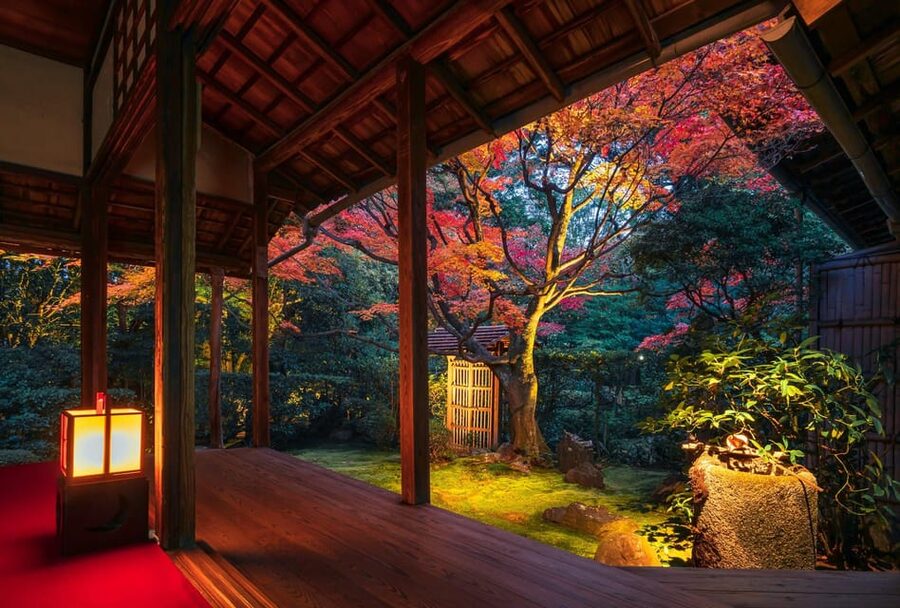
The tour includes the hidden tea room Sehakuan. Its small scale and tucked-away character fit the mood of the visit. A tea room is not merely a pretty room. Its design reflects the Japanese preference for careful proportion, quiet materials, and an experience shaped by limited space.
You also view fusuma paintings by Kano Sansetsu. Fusuma are sliding panels that divide rooms, so the paintings are part of the architecture rather than framed works hung on a wall. This is one of the more valuable details of the visit because it connects art with daily temple space.
The guide’s explanation helps you read these rooms as more than decorative stops. You can ask questions about the tea room, the paintings, and the way the temple’s spaces support meditation and ceremony.
Photography rules are important here. Flash photography is prohibited, and you should follow any additional instructions given at the temple. This is a place to look closely and quietly, not a room to treat like a photo studio.
Zazen with Deputy Chief Priest Yasumasa Arashima
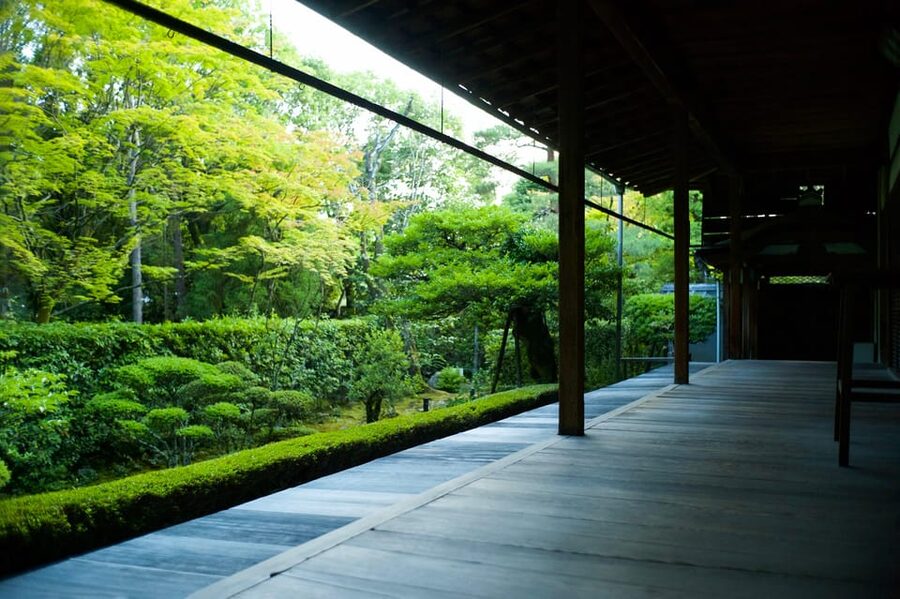
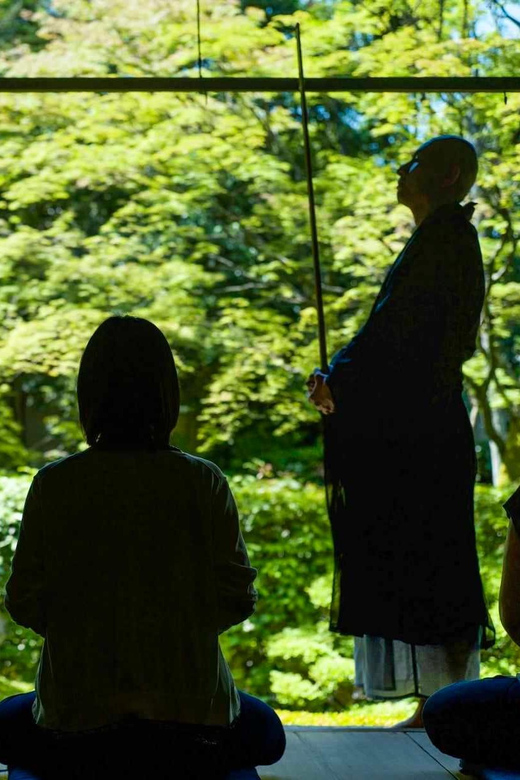
The central part of the evening is zazen, or seated Zen meditation. Deputy Chief Priest Yasumasa Arashima guides the session, giving the experience a direct connection to the temple rather than presenting meditation as a generic wellness class.
You do not need to arrive as an experienced meditator. The value is in trying the practice and learning the basic attitude behind it. Expect stillness, quiet, and a request to pay attention to your posture and mind.
One unusual detail is the explanation of what happens when a practitioner becomes too tired and needs a refreshing reminder to continue. This refers to a traditional custom connected with maintaining alertness during zazen. If you are curious, ask your guide about it before or after the session, and follow the temple’s instructions rather than attempting anything on your own.
The meditation can be rewarding, but it is not designed to entertain you every minute. Sitting quietly may feel challenging after a busy day in Kyoto. That is part of the point, though it also means this activity is not ideal if you want constant movement or a packed schedule.
A guide may translate the priest’s remarks when needed. Clear translation matters because the meditation is not just about sitting in silence. You are also learning why the practice is done and how temple customs shape it.
Same night, a different way out:
- Kyoto Gion Night Walk & Geisha District Guided Tour
★ 5.0 · 786 reviews - Kyoto Bar Hopping Night Tour
★ 5.0 · 613 reviews - Kyoto Nighttime All-Inclusive Eats and Streets, Gion and Beyond
★ 4.5 · 464 reviews - Gion Walking Tour by Night
★ 4.5 · 429 reviews
Matcha, Japanese sweets, and a quiet finish
After meditation, you try matcha and a traditional Japanese sweet. This is a modest tea experience, not a full formal tea ceremony with a long sequence of ritual steps. Still, it gives you a chance to taste the pairing and discuss what you have just experienced.
Matcha’s bitter edge works well with a sweet. The contrast is part of the charm, and the snack provides a gentle ending after the concentration of zazen. You can also use this time to ask questions and share impressions with the guide.
The tea portion adds value because it completes the evening’s progression. You begin with the temple’s gardens, move indoors to art and architecture, sit in meditation, then finish with a simple act of hospitality. Each part is short, but the order feels purposeful.
If you are looking for a large meal, this will not fill that role. Plan dinner separately. The tea and sweet are a cultural tasting and a calm conclusion, not a substitute for food.
What the $206 price really covers
At $206 per person, this is expensive for a 90-minute activity. You are paying for more than entry to a temple, though. The cost includes a private group, a special night visit, access to four designated gardens, the Sehakuan tea room, Kano Sansetsu’s fusuma paintings, guided zazen, matcha, and a Japanese sweet.
That package makes the price easier to understand for couples, families with older children, and small groups who want a private cultural activity. The presence of Deputy Chief Priest Yasumasa Arashima is also an important part of the value. You are not simply listening to a general introduction delivered outside the temple.
I would not book this for a quick checklist visit. Kyoto has many temples and gardens that cost less or can be visited independently. I would book it when the goal is a focused evening with access to a specific temple setting and a direct introduction to Zen practice.
The private format helps, but the value depends on your interest. If meditation, tea, temple design, and Japanese art all appeal to you, the visit brings several interests together. If you mainly want dramatic night photographs, the short duration and no-flash rule make the price harder to justify.
Who will enjoy this evening most
I would recommend Keishunin to adults and older children who can handle a quiet, structured activity. The experience is intended for primary school students and above, but it is listed as unsuitable for children under 12. Anyone below junior high school age must be accompanied by a parent or guardian.
It suits you particularly well if you:
- Want a private Kyoto activity rather than a large group tour
- Have an interest in Zen, Japanese gardens, or Buddhist temple life
- Prefer a calm cultural experience to nightlife
- Enjoy guided interpretation of art and architecture
- Have already seen major temples and want a more focused visit
- Can sit quietly and follow temple instructions
It is less suitable if you need step-free access, since wheelchair users cannot take part. It is also a poor match for anyone looking for a lively evening, a long tea ceremony, or a full meal.
Wear comfortable clothing and bring warm clothing. Evening temperatures can feel cool, and sitting still during meditation makes warmth more important than you might expect. Smoking is not allowed.
Planning the visit around your Kyoto evening
Transportation to and from the meeting place is not included, so allow time to reach Keishunin on your own. Check the available start times when booking, then leave enough margin for Kyoto traffic and finding the temple entrance.
The activity excludes Obon and New Year holidays. Reservation is required, and you should not assume you can walk in and join a session.
Cancellation terms need attention. The activity allows free cancellation up to 72 hours, or three days, before the start time. After that, charges apply: 20 percent from three days before through the day before, 50 percent on the day, and 100 percent for a no-show or joining after the activity has started. The wording around the three-day cutoff can be easy to misread, so check the exact deadline shown for your chosen date.
The tour is private, but the supplied information does not state the maximum number of people. If group size matters to you, confirm it before paying. Private does not always mean a one-on-one visit.
How this compares with an ordinary temple stop
A standard temple visit lets you set your own pace. You can arrive, walk through the grounds, take pictures where allowed, and leave when you like. That flexibility is useful, especially if you have only one evening in Kyoto.
Keishunin offers something different. The guide gives structure, the priest leads meditation, and the tea closes the visit. You trade some independence for access to a planned cultural encounter that would be difficult to arrange by yourself.
The strongest part is the connection between the setting and the activities. You see gardens designed for contemplation, enter a tea room built around quiet attention, look at paintings integrated into temple rooms, then practice sitting meditation. It feels more coherent than a collection of unrelated stops.
The tradeoff is time. Ninety minutes moves quickly, and each part receives a taste rather than a full study. If you want detailed art history or an advanced meditation lesson, you may want a longer specialist program.
Should you book Keishunin at night?
Book this experience if you want a peaceful, private Kyoto evening built around temple culture rather than sightseeing speed. The illuminated gardens, Sehakuan tea room, Kano Sansetsu’s fusuma paintings, zazen with Yasumasa Arashima, matcha, and Japanese sweets make a well-shaped 90-minute visit.
At $206 per person, I would reserve it for a meaningful night in your itinerary, not as a casual filler activity. You should also be comfortable sitting quietly, wearing warm clothes, and respecting the temple’s photography and smoking rules.
For the right visitor, this is a memorable way to meet Kyoto at a slower pace. For a budget-minded visitor, a daytime temple visit will offer better value. The choice comes down to whether direct guided access and a real meditation session are worth the premium to you.
FAQ
How long does the Keishunin Temple experience last?
The experience lasts 90 minutes.
What is included in the price?
The price includes the special nighttime visit to Keishunin, a tour of its four gardens, a visit to the Sehakuan tea room, viewing of Kano Sansetsu’s fusuma paintings, a zazen meditation experience, matcha, and Japanese sweets.
Which languages are available?
Live guiding is available in English and Chinese.
Is this a private tour?
Yes. The activity is offered as a private group experience.
Who leads the meditation?
Deputy Chief Priest Yasumasa Arashima leads the zazen meditation.
Can children join the experience?
The activity is intended for primary school students and above, but it is listed as unsuitable for children under 12. Each child below junior high school age must be accompanied by a parent or guardian.
Is the experience wheelchair accessible?
No. The activity is not suitable for wheelchair users.
Just added for nights around Kyoto
- Kyoto: Station and Tower Night Tour with Light Show★ 4.8 · 5 reviews
- Kyoto: Foodie Night Tour in Gion with 9 dishes + 6 Sake★ 4.4 · 26 reviews
- Kyoto: Night Walking Tour with Geisha Traditions★ 5.0 · 21 reviews
- Kyoto: Gion Evening Walk with Hidden Gems, Geisha & Sake★ 5.0 · 41 reviews
- Kyoto: Gion Morning/Night Walking Tour★ 4.3 · 4 reviews
- Kyoto Magic Night Walk: Gion & Fushimi Inari(Private Option)★ 5.0 · 5 reviews
- Kyoto: Fushimi Inari Taisha Night Tour with Guide★ 4.2 · 4 reviews
- Kyoto: Gion & Geisha district evening tour★ 4.1 · 4 reviews
Kyoto Night Tours, compared.
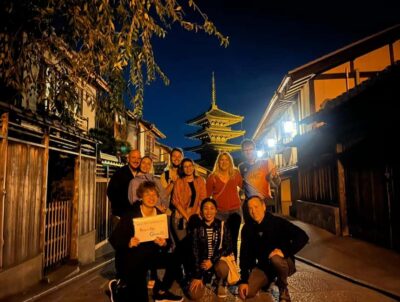
Kyoto: Gion Magical Night Walking Tour with Geisha Trivia
Read our review →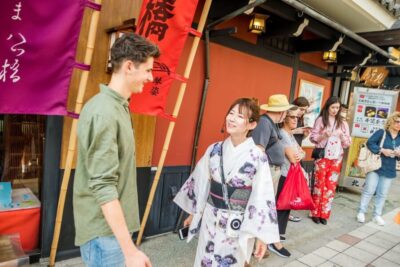
Kyoto Night Foodie Tour in Gion (9+ dishes + 6 Sake tastings)
Read our review →
Kyoto Nighttime All-Inclusive Eats and Streets, Gion and Beyond
Read our review →
Kyoto: Gion Sunset Walking Tour with Local Guide
Read our review →Browse the lists this tour appears in