
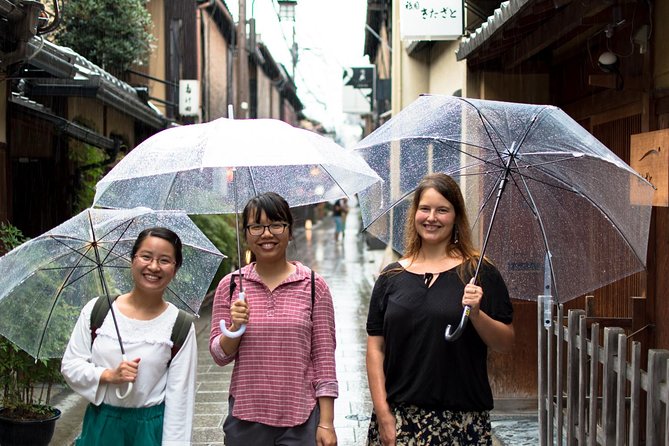
Review · KYOTO
Kyoto Foodie Night Tour
Kyoto’s food scene makes the most sense one small plate at a time, and this evening tour gives you plenty of them. You begin at Nishiki Market, then move through local restaurants for obanzai, izakaya dishes, snacks, sake, and beer before finishing near Pontocho.
I like the maximum group size of eight, which gives your guide room to explain unfamiliar dishes and answer questions. I also like the mix of market food, casual restaurants, and a sake stop, rather than one long meal in a single dining room.
The main thing to consider is the balance between food and alcohol. Most people leave full, but one past experience found the shared portions too small and the drink focus too strong. Tell the operator about food restrictions at least a week ahead, especially if you need vegan, vegetarian, or gluten-free choices.
Key points to know before booking
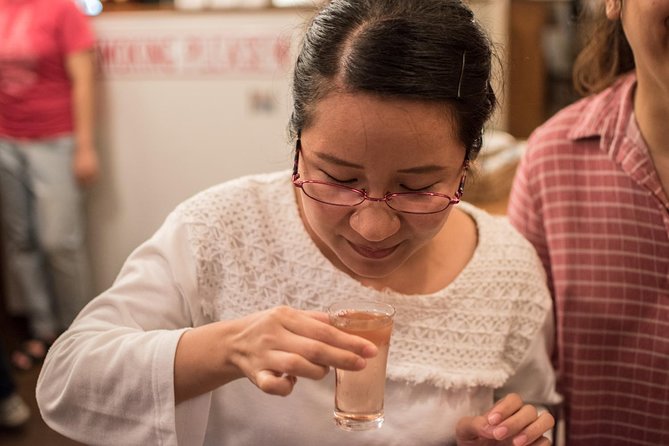
- Seven tastings and two drinks: Expect a broad sample of Kyoto food, including obanzai, izakaya dishes, market snacks, and sake or beer.
- Eight people maximum: The small group suits anyone who wants conversation and direct help with unfamiliar foods.
- Nishiki Market comes first: You sample food from two or three family-run shops before the restaurant portion begins.
- Pontocho adds cultural context: The evening ends with a walk through Kyoto’s narrow geisha district and a short lesson on its past.
- Guides shape the experience: Sora, Chikako, Leandra, Taishi, Yui, Shun, Moe, Mana, and others are praised for personal food picks, clear explanations, and warm company.
- Come hungry, but not solely for drinks: The food is usually plentiful, though portions are shared and preferences are not always easy to match at the table.
Why this Kyoto food tour works well at night
The timing is sensible. You meet at 5 p.m. near Alba Creative Boutique in central Kyoto and spend about three and a half hours eating, talking, and walking between stops. The route ends near the former Sanjo Bridge, close to Pontocho.
That start time lets you see Nishiki Market before the evening meal takes over. It also gives the tour a natural rhythm: market samples first, seated restaurant food next, and a cultural walk at the end. You are not simply dropped at a restaurant and handed a menu you cannot read.
I like that the tour is built around several modest stops. Kyoto food can seem hard to approach when every menu offers unfamiliar names and ingredients. A guide can order a spread, explain what you are eating, and help you decide what deserves another try later in your trip.
The small group matters here. Eight people is still large enough for a sociable evening, but it is far easier to hear a guide than in a big bus-style food outing. You also get a better chance to ask about ingredients, dining customs, Japanese words, and places to eat after the tour.
More Night Food Tours in Japan
- Kyoto Night Foodie Tour in Gion (9+ dishes + 6 Sake tastings)
★ 5.0 · 1,762 reviews - Tokyo Night Foodie Tour in Shinjuku – Seasonal Sushi, Wagyu Beef
★ 5.0 · 1,161 reviews - Osaka Backstreet Nightlife & Street Food Walking Tour
★ 5.0 · 1,011 reviews
Nishiki Market: 25 minutes of small bites and local food culture
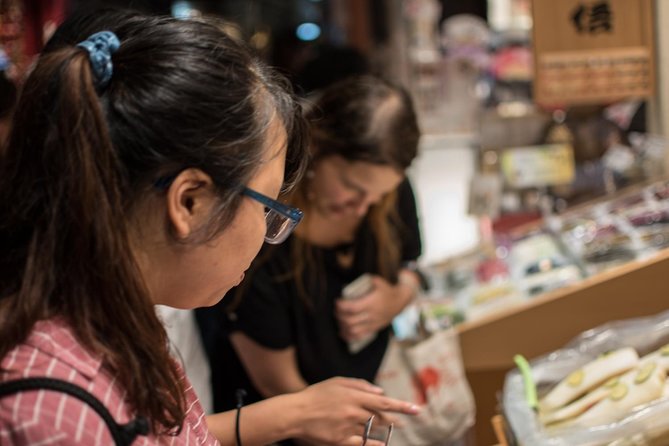
Nishiki Market is Kyoto’s traditional food market in the downtown area. You spend about 25 minutes visiting two or three family-run shops and trying sample-size foods linked to Kyoto’s food traditions.
Do not expect a full meal here. The market section works as an introduction, with small tastes that show how local ingredients and prepared foods fit into everyday life. It is also a useful way to get your bearings before the restaurant portion.
A guide can make this short stop much more useful than a solo stroll. You learn what you are looking at, how it is eaten, and why it matters in Kyoto. The market can feel crowded, so staying close to the group is practical, especially while carrying a drink or trying food on the move.
The short time limit is both a plus and a drawback. You get a focused sample without spending the whole evening in a shopping street, but you will not have time to browse every stall. If Nishiki Market is high on your personal list, return during daylight and give yourself extra time.
The family-owned shops are part of the appeal. This is not just a checklist of famous sights. You get a look at the everyday food trade that gives the market its character, then carry that context into the restaurants.
Two or three Kyoto restaurants and the main meal
The tour then spends about two hours at two or three restaurants. The food ranges from obanzai, the home-style Kyoto cooking often served in small dishes, to local izakaya food meant to share over drinks.
This is the heart of the evening. You may try seafood, tempura, bar snacks, seasonal dishes, and foods you would not have ordered alone. The restaurant mix can include simple local spots as well as somewhat smarter settings, giving you more than one view of Kyoto dining.
The biggest practical benefit is decision-making. Your guide selects the dishes, places the orders, and explains what arrives. Guides such as Sora, Chikako, Leandra, and Taishi are repeatedly praised for choosing restaurants they personally like and for sharing useful food and neighborhood advice.
The food is often described as generous overall. Several people specifically advise arriving hungry, and one account calls the tour filling enough to make it feel like a full dinner. The seven tastings are not seven separate full-size entrees, though. Dishes are generally shared across the table, so the amount of each item depends on the group size and what the guide orders.
That distinction is important. If you are expecting seven individual portions, this may disappoint. If you see the tour as a guided tasting menu with several stops, the format makes more sense.
The shared style also brings a social element. You may meet people from other countries, compare reactions to unfamiliar foods, and pass dishes around the table. That can be fun, but it is less suitable if you need precise control over every item you eat.
Obanzai, izakaya food, and the value of trying something new
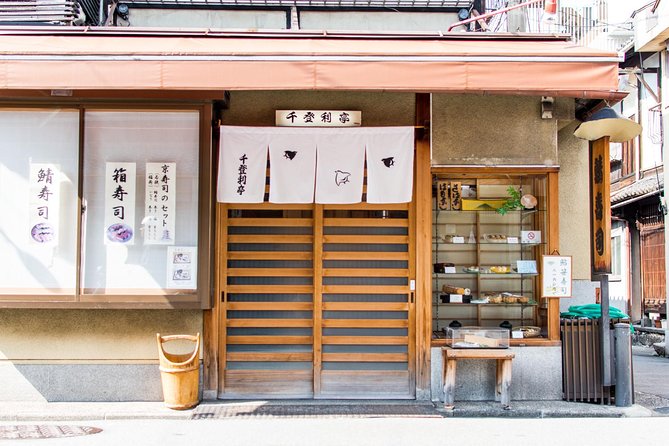
Obanzai gives you a taste of Kyoto cooking beyond the best-known restaurant specialties. It is associated with home-style dishes and small preparations, so it helps show the quieter side of local food.
I like that the tour does not limit itself to one category. Market snacks, obanzai, izakaya plates, seafood, tempura, and sake create a wider picture of the city’s dining habits. You may find some dishes become favorites, while others simply help you understand what you do and do not enjoy.
This is also where the tour asks you to be a little adventurous. A few dishes may be strongly traditional, and sashimi or eel can appear. If either is a firm no for you, say so clearly before the guide orders. One disappointing experience came from a guest who mentioned those dislikes at the start but still received dishes containing them.
The operator asks for food restrictions at least one week before the tour. Vegan, vegetarian, and gluten-free choices are limited, and last-minute requests cannot be accommodated. This is not the right booking for someone who needs a tightly controlled menu unless the company confirms that it can meet those needs.
For flexible eaters, the uncertainty is part of the fun. You might taste something you would never spot on your own, then learn how it fits into local dining. Guides such as Yui have been praised for helping people try new food while making the explanations approachable.
Same night, a different way out:
- Tokyo Bar Hopping Tour in Shinjuku (All-You-Can-Drink + Dinner)
★ 5.0 · 3,587 reviews - Kyoto: Gion Magical Night Walking Tour with Geisha Trivia
★ 4.9 · 2,393 reviews - Night Walk in Gion: Kyoto’s Geisha District
★ 4.5 · 2,003 reviews - Osaka Bar Hopping Night Walking Tour in Namba (3 bars, 6 tastes)
★ 5.0 · 958 reviews
Sake, beer, and the drink balance
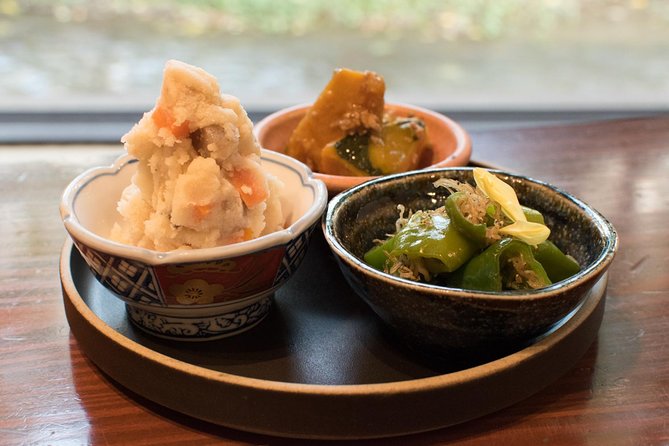
Two drinks are included, such as beer or sake. The sake tasting is a highlight for many people, especially those who want to understand how different styles taste with food.
A sake stop can be more useful than simply ordering one bottle with dinner. Your guide can explain what you are tasting and connect it to the food on the table. One evening included a distinctive sake tasting that helped make the tour feel different from a standard restaurant crawl.
Still, you should book with the drink balance in mind. This is a food and drink experience, not a sober tasting menu. One critical account felt that alcohol received too much attention and that the food portions were too small for a group of seven.
Soft drinks are mentioned as possible choices in the restaurant setting, but the stated tour inclusion centers on two drinks such as beer or sake. If you do not drink, ask ahead how the included drinks will be handled. Do not assume the experience can be redesigned at the last minute.
For moderate drinkers, the arrangement should feel comfortable. You can sample local drinks without committing to a full evening of bar-hopping, and the food gives the alcohol a clear place in the meal.
Pontocho: a short walk with a different side of Kyoto
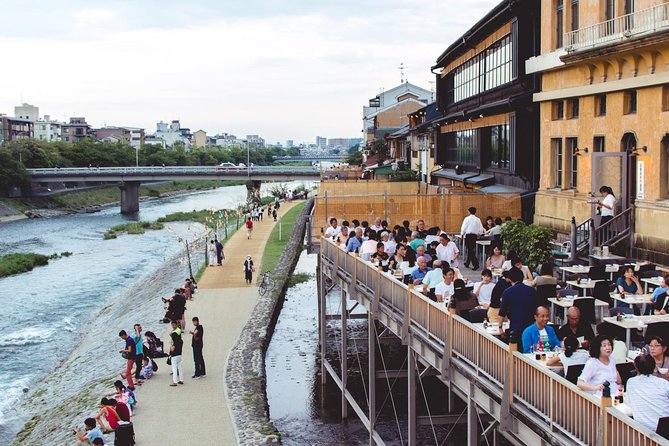
The final stop is Pontocho District, where you spend about 15 minutes walking through one of Kyoto’s small geisha districts. Your guide explains the area’s past and the culture connected with it.
Pontocho is a fitting ending because it shifts the evening from tasting food to reading the city around you. Its narrow lanes and traditional atmosphere provide a change of pace after the restaurants. You are not there for a long sightseeing visit, but the short walk adds context to the neighborhood where many evening meals take place.
Keep your expectations in check. Fifteen minutes is enough for an introduction, not an extended cultural tour. You will learn about the district and geisha culture, then finish near the old Sanjo Bridge. If you want detailed coverage of Kyoto’s entertainment districts, you will need a separate experience.
The endpoint is useful for the rest of your evening. The tour does not return you to the starting point, so plan your route from the Sanjo Bridge area afterward. The end near Pontocho also gives you the option of staying in central Kyoto for another drink or a quiet walk, though any extra spending is on you.
The guides make a real difference
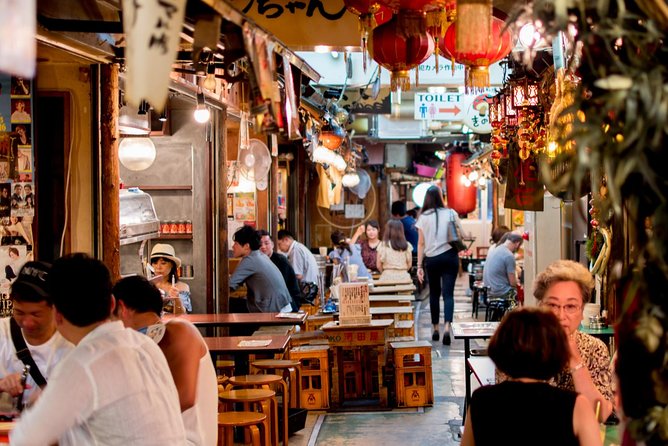
The guide is the main variable in a small food tour, and this one has several names with strong praise attached to them. Sora is noted for taking people to favorite spots, ordering generously, and answering cultural questions. Chikako is praised for food knowledge, enthusiasm, and making the experience work for families with teenagers.
Leandra receives credit for finding local restaurants, explaining the food, and adding personal insight from living in Kyoto. Taishi is described as easy to talk with and especially good at pointing out places selected for local appeal rather than tourist traffic.
Yui has helped people with Japanese language practice as well as food. Shun is praised for clear English and useful explanations of local cuisine. Other guides named in the feedback include Chikako, Chikako’s trainee, Chica, Moe, Izumi, Mana, and Yuina.
You cannot choose all of these guides when booking, so treat the names as examples of the tour’s guide-led nature, not a promise of a particular host. What you can reasonably expect is a personal approach rather than a fixed audio script.
Is $102.47 a fair price?
At $102.47 per person, the tour is not cheap if you compare it with buying a few market snacks on your own. The price makes more sense when you count the seven tastings, two drinks, several restaurant visits, the guide, ordering help, and cultural explanations.
You are also paying to avoid trial and error. A wrong restaurant choice in Kyoto can cost a full dinner and still leave you unsure what you ate. Here, the guide handles much of the selection and takes you to places that may be hard to locate or approach without Japanese language skills.
Value depends on how much you eat and drink. If portions are generous, the tour can replace dinner and offer a good range of food. If your group is large and the dishes are spread thinly, the value feels weaker. The maximum group size is eight, but some dining arrangements may still involve sharing each plate among the entire group and guides.
I would consider the price fair for a first night in Kyoto, especially if you want a social dinner and practical food advice. It is less attractive for a confident food explorer who already has restaurant bookings and prefers ordering independently.
The tour has been booked more than five times in the last week, and its overall rating is 4.9 from 376 ratings, with 98 percent recommending it. Those figures suggest strong demand, but the one lower account is useful because it identifies the real risk: alcohol emphasis, shared portions, and limited control over dish selection.
Who should book this Kyoto evening?
I would recommend it to first-time visitors who want a quick introduction to Kyoto food without spending days decoding menus. It also suits solo visitors and couples who enjoy meeting people, as well as families with older children or teenagers who are open to trying new dishes.
It is a good fit if you:
- Want a full dinner spread rather than one restaurant
- Enjoy sake or beer in moderation
- Like asking questions about food and local customs
- Prefer a guide to choose places and dishes
- Are willing to share plates
- Can accept some unfamiliar or strongly traditional foods
I would hesitate if you are vegan, vegetarian, gluten-free, or highly selective unless the operator confirms suitable choices in advance. I would also skip it if you dislike alcohol-centered settings or want seven full individual dishes.
The tour requires good weather, and the operator may cancel if conditions are poor or if too few people book. In those cases, you are offered another date or a full refund. Otherwise, the booking is non-refundable and cannot be changed, so choose your date carefully.
Should you book the Kyoto Foodie Night Tour?
Book it if you want a guided first look at Kyoto’s food culture, especially if you value personal restaurant picks over a polished sightseeing script. The combination of Nishiki Market, obanzai, izakaya food, sake, and Pontocho gives you a useful evening primer, and a strong guide can turn unfamiliar dishes into a memorable dinner.
Skip it if you need strict control over ingredients, dislike sharing small plates, or want a tour centered almost entirely on food rather than drinks and conversation. If you do book, contact the operator early about restrictions, arrive ready for a large meal, and tell your guide clearly what you will not eat.
For most flexible eaters, this is a smart early-trip choice. You leave with a full stomach, a better sense of Kyoto’s dining customs, and a list of places and foods to seek out on your own.
FAQ
How long is the Kyoto Foodie Night Tour?
The tour lasts approximately 3 hours and 30 minutes. It begins at 5 p.m.
Where does the tour start?
The meeting point is Alba Creative Boutique in Kyoto’s Shimogyo Ward, at 358 Naramonocho, inside the Nisshin Fire and Marine Insurance Kyoto Building.
Where does the tour end?
The tour ends near the former Sanjo Bridge, at 113 Nakajimacho in Nakagyo Ward, close to the Pontocho area.
How many people can join the tour?
The maximum group size is eight people.
How much food and drink is included?
The experience includes at least seven food tastings and two drinks, such as beer or sake. Food may include Nishiki Market samples, obanzai, and izakaya dishes.
Can the tour accommodate dietary restrictions?
You should contact the operator at least one week before the tour if you have food restrictions. Vegan, vegetarian, and gluten-free choices are limited, and last-minute food requests cannot be accommodated.
Just added for nights around Japan
- Private Tokyo Night Tour★ 5.0 · 115 reviews
- Kyoto Private Night Tour with a Local – Bars, Bites & Culture★ 5.0 · 48 reviews
- Osaka After Dark: Small-Group Night Food Tour (Max 6)★ 4.5 · 245 reviews
- Osaka Nighttime tour★ 5.0 · 270 reviews
- Osaka: Bar-Hopping Night Tour in Namba★ 4.7 · 117 reviews
- Osaka: Private Vibrant Nighttime Photoshoot (Dotonbori)★ 4.9 · 80 reviews
- Tokyo by Night Photography Tour (Private Option Available)★ 5.0 · 151 reviews
- Kyoto: Gion Sunset Walking Tour with Local Guide★ 4.7 · 351 reviews
Kyoto Night Tours, compared.
Kyoto: Gion Magical Night Walking Tour with Geisha Trivia
Read our review →
Kyoto Night Foodie Tour in Gion (9+ dishes + 6 Sake tastings)
Read our review →
Kyoto Nighttime All-Inclusive Eats and Streets, Gion and Beyond
Read our review →
Kyoto: Gion Sunset Walking Tour with Local Guide
Read our review →
Kyoto Private Night Tour with a Local – Bars, Bites & Culture
Read our review →Browse the lists this tour appears in