
Review · KYOTO
Kyoto: Gion Night Tour Stories of Geisha and Maiko
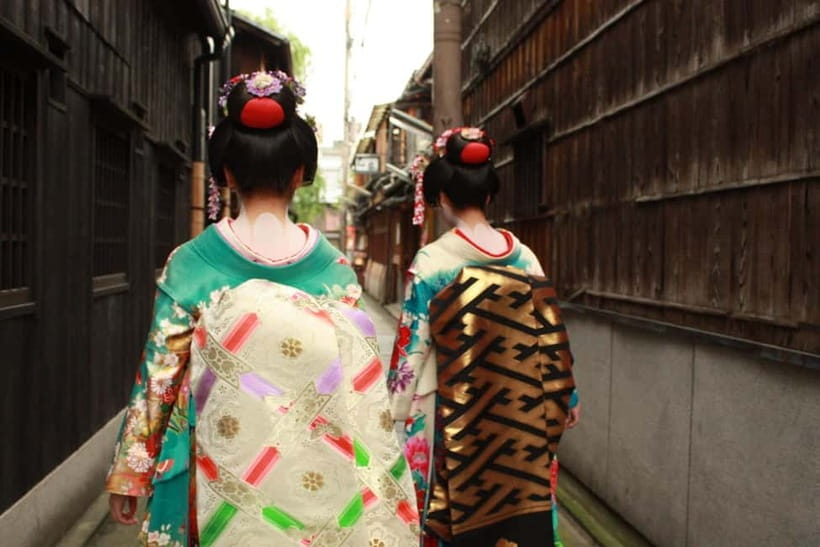
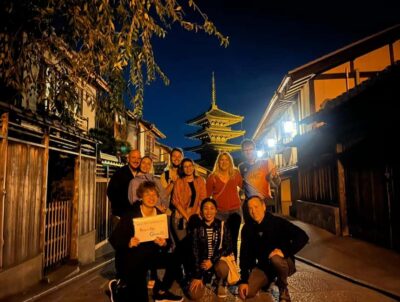
Gion changes character as daylight fades. This two-hour walk takes you past teahouses, narrow lanes, the Shirakawa Canal, and Yasaka Shrine while a local guide explains how geisha and maiko fit into Kyoto’s traditional arts. You may catch sight of one heading to an evening appointment, but the tour’s real value is learning how to read the district.
I like the small maximum of 15 people, which makes it easier to hear the guide and ask questions. I also like the $22 price and the calm timing, when Gion is less crowded. The main consideration is language: the details describe the live tour as Spanish, while another section mentions an English-speaking guide, so confirm the language before booking.
Key points to know before you book
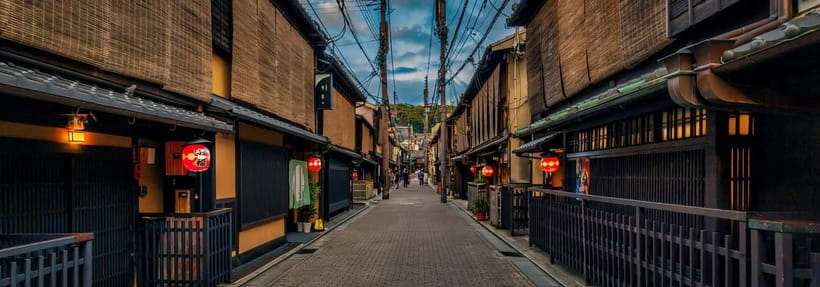
- Dusk is the right time: Gion feels quieter as evening begins, and you may see geisha or maiko moving between appointments.
- The group stays small: A maximum of 15 people gives the walk a more personal feel than a large city tour.
- Pedro and Manuel have led the route: Pedro is noted for explaining the streets and geisha culture clearly, while Manuel has guided visitors around the main sights.
- The walk ends at Yasaka Shrine: You finish in a useful sightseeing area, rather than returning to the starting point.
- The focus is cultural, not theatrical: You learn to recognize teahouses, signs, and traditional details instead of attending a geisha performance.
- It costs $22 per person: For two hours with a guide and several major Gion stops, that is a reasonable price if you want context along with your walk.
Why Gion at dusk makes sense
Gion is easy to admire and easy to misunderstand. At first glance, it can seem like a collection of photogenic wooden buildings and narrow streets. The guide helps you see more: which places are teahouses, what signs mean, and why the district still functions as a working center for traditional entertainment.
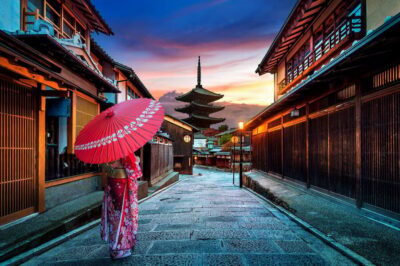
The timing matters. The route begins around sunset, when the light softens and the streets grow calmer. That does not turn Gion into an empty movie set. It remains a real neighborhood with working businesses, but the quieter mood gives you more room to notice small details.
The possibility of seeing a geisha or maiko adds excitement, especially as the walk passes near evening appointments. Still, this is not a guaranteed sighting or a staged encounter. You should book it for the explanations and atmosphere first, then treat any glimpse of a performer as a bonus.
That distinction is important. A good Gion visit should help you understand the place without turning people who work there into photo props. This tour focuses on stories, symbols, and local context rather than promising a personal meeting.
More night tours around Kyoto:
- Kyoto: Gion Magical Night Walking Tour with Geisha Trivia
★ 4.9 · 2,393 reviews - Night Walk in Gion: Kyoto’s Geisha District
★ 4.5 · 2,003 reviews - Kyoto Night Foodie Tour in Gion (9+ dishes + 6 Sake tastings)
★ 5.0 · 1,762 reviews
Meeting at Ben’s Cookies Kyoto Shijo
The walk begins at Ben’s Cookies Kyoto Shijo. Your guide will hold a sign with the tour name, which makes the meeting point easier to spot in a busy commercial area.
From there, the group receives a short guided introduction before continuing toward the first named stop, the statue of Izumo-no-Okuni. The opening section lasts about five minutes, so you will not spend much of your two hours standing around getting organized.
The meeting point is near the Shijo area, while the tour finishes at Yasaka Shrine. That one-way design is useful if you plan to continue sightseeing in eastern Gion afterward. It also means you should not expect to end back where you started, so keep track of your route if you have dinner reservations near Shijo.
The tour lasts two hours. You will be on foot throughout, with several stops for explanations and photographs. The supplied details do not specify the total walking distance or the amount of seating, so wear shoes you can use comfortably for a full evening walk.
Izumo-no-Okuni and the start of the story
The first substantial stop is the statue of Izumo-no-Okuni, with about 15 minutes of guided explanation. This gives the guide a natural place to set the scene before the route moves into Gion’s streets.
The statue is linked to the origins of kabuki, making it a useful bridge between Kyoto’s performing arts and the traditional entertainment world you are about to learn about. The point is not simply to photograph a monument. It helps connect the district’s modern visitor appeal with Japan’s older performance traditions.
This is where the guide’s storytelling can make a real difference. Pedro, one of the guides associated with the walk, has been praised for explaining the streets and geisha culture in a clear, engaging way. That kind of delivery suits this stop, since the background can otherwise feel abstract if you only pass by the statue.
You will not get a long lecture at every location. The schedule gives most stops roughly 15 minutes, enough for a focused explanation without turning the evening into a classroom. If you enjoy asking questions, a group of 15 or fewer gives you a fair chance to do so.
Shirakawa Canal at sunset
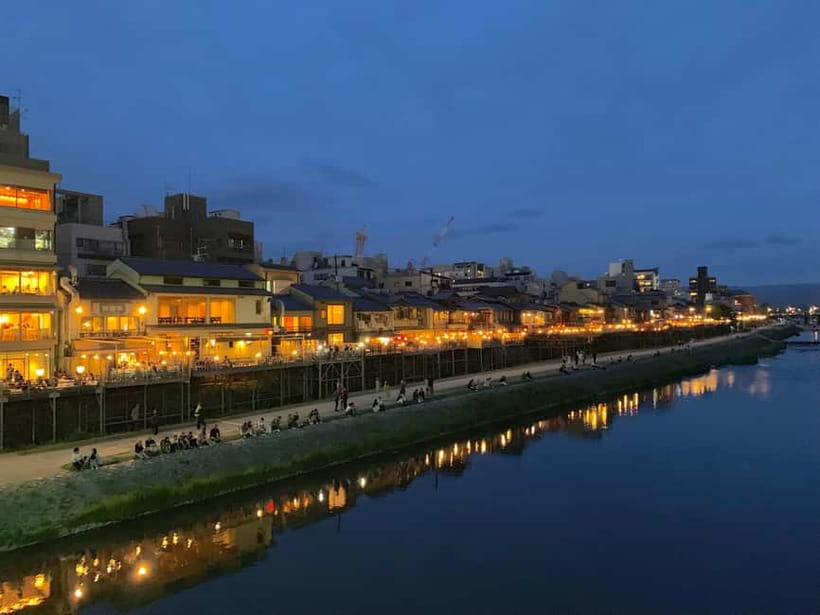
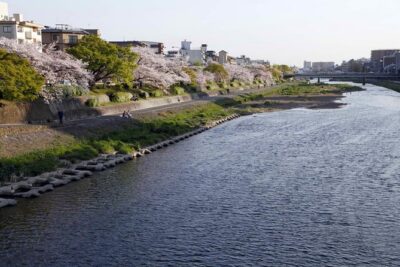
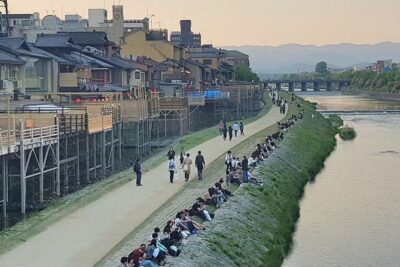
The route continues to Shirakawa Canal, another 15-minute guided stop. This is one of the most atmospheric parts of the walk, with water, traditional buildings, and a quieter sense of place than the main shopping streets.
The canal helps you see why Gion is so often associated with elegance. Its appeal comes from the relationship between the street, the water, and the old-style architecture, not from one single attraction. At dusk, changing light can make this section especially pleasing for photographs.
The guide adds meaning to the view by explaining how the area relates to geisha and maiko culture. You learn to look beyond the surface appearance and notice how the district is arranged around traditional establishments and evening work.
Keep your expectations practical. This is a short stop, not a long photography session, and the group must continue on schedule. If you want your own quiet pictures, you can return to the canal later after the tour ends at Yasaka Shrine.
Same night, a different way out:
- Kyoto Gion Night Walk & Geisha District Guided Tour
★ 5.0 · 786 reviews - Kyoto Bar Hopping Night Tour
★ 5.0 · 613 reviews - Kyoto Nighttime All-Inclusive Eats and Streets, Gion and Beyond
★ 4.5 · 464 reviews - Gion Walking Tour by Night
★ 4.5 · 429 reviews
Reading Gion’s teahouses and street signs
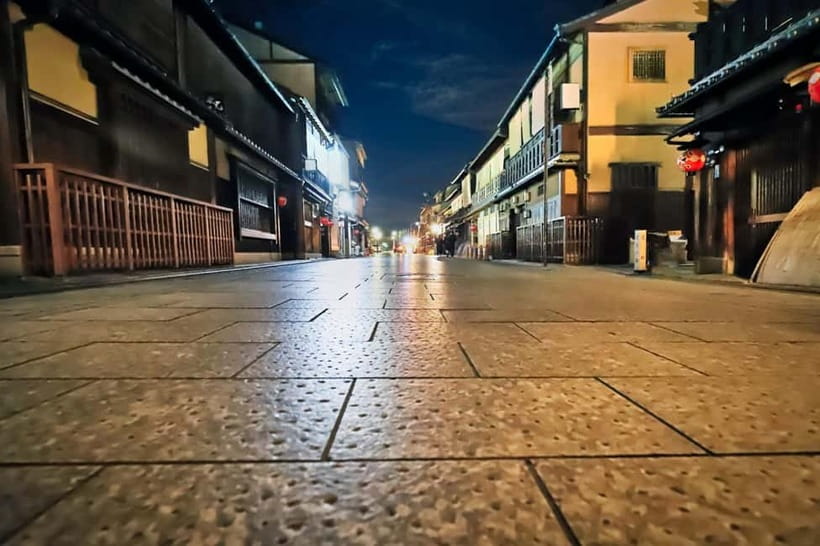
One of the strongest parts of the experience is the explanation of teahouses and the signs found along Gion’s lanes. These details are easy to miss when you explore on your own.
The guide shows you how to identify traditional establishments and explains the meaning of signs that mark the area’s cultural life. You may not remember every term, but you will leave with a better sense of what you are looking at when you walk through Gion again.
That is a useful kind of sightseeing help. Rather than pointing only to famous buildings, the tour teaches you how to interpret ordinary-looking doors, signs, and alleyways. The district becomes less mysterious and more readable.
The route also includes lesser-used paths and corners of Gion. The information does not promise access inside private teahouses, and you should not expect to enter every establishment. The value comes from seeing the exterior setting and hearing how these places function within the traditional arts community.
This section is especially good for first-time visitors who want more than a quick stroll. If you already know Gion well, the stories about symbols and teahouses may still add something, but the experience will depend more on the individual guide.
Gion Corner and the performance connection
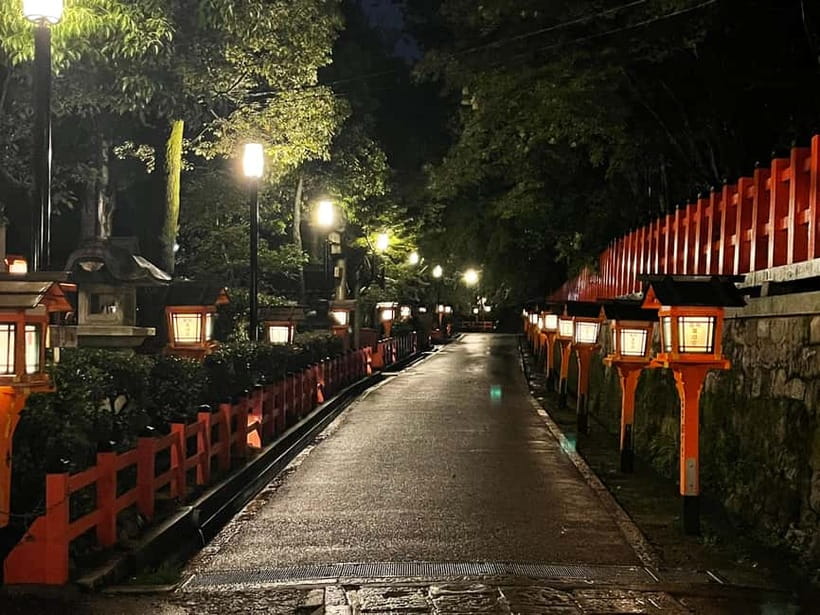
Gion Corner is listed as a 15-minute photo stop and guided visit. Its name points toward the district’s continuing link with traditional Japanese performance.
The stop gives the guide another chance to explain how geisha and maiko training connects with music, dance, ceremony, and hospitality. You should not confuse a visit here with attending a full show. This tour is a walking explanation, not a performance ticket.
That difference affects the price. At $22, you are paying for a guide-led introduction to Gion rather than admission to a stage production, meal, or private tea experience. For many people, that is the better first step because it provides background before you decide if you want a separate performance later.
The stop also breaks up the walking with time for photographs. Since the group is moving through an active district, the guide controls the pace. You can take pictures, but the route is not built around spending long stretches at each viewpoint.
Yasaka Shrine and a useful finish
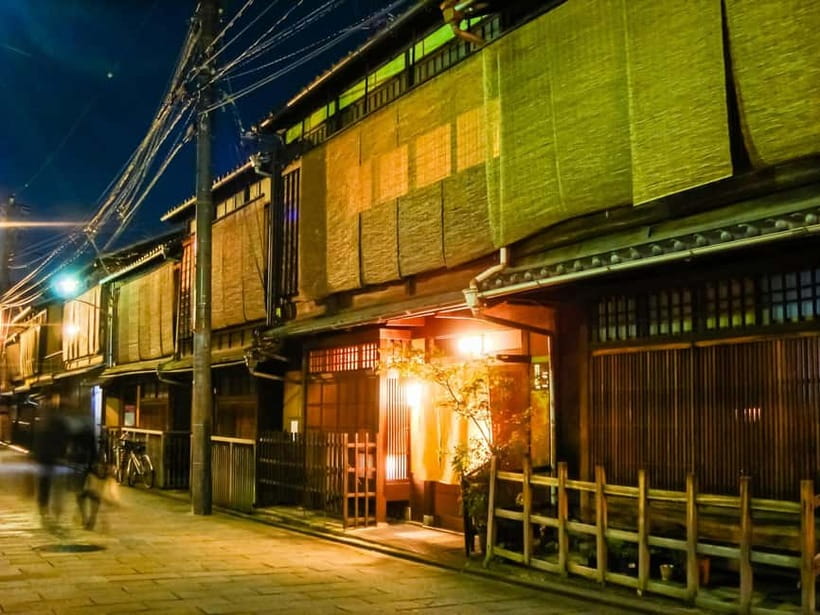
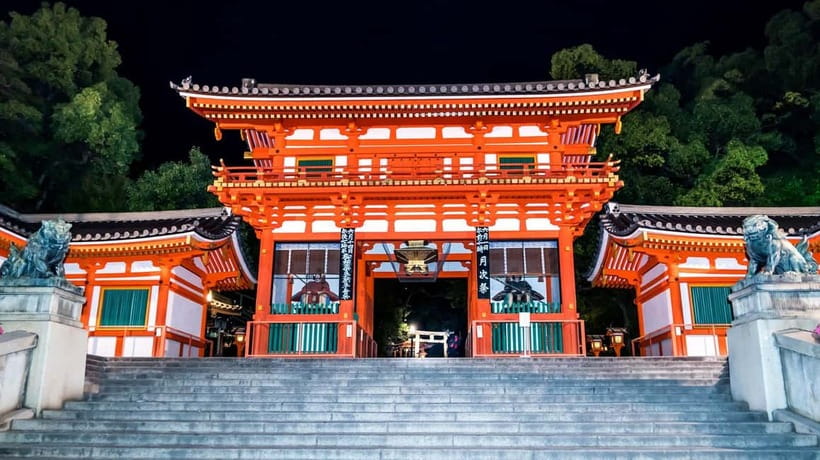
The walk ends at Yasaka Shrine, with another 15-minute guided visit and photo stop. This is a practical ending because the shrine sits at the eastern end of the Gion area and gives you an obvious place to continue your evening.
The shrine provides a change of mood after the narrow lanes and teahouse streets. Here, the guide can place Gion within the wider religious and cultural setting of Kyoto. You finish with a major landmark rather than simply stopping on an anonymous side street.
The ending also works well for dinner plans. One guide, Pedro, has reportedly offered suggestions for places to eat nearby after the walk. That does not make a restaurant booking part of the tour, but it can be useful when you want a local starting point for the rest of the night.
Remember that the tour ends here, not at Ben’s Cookies Kyoto Shijo. If you need to return to the starting area, allow extra time after the two-hour walk.
The guide matters more than the route
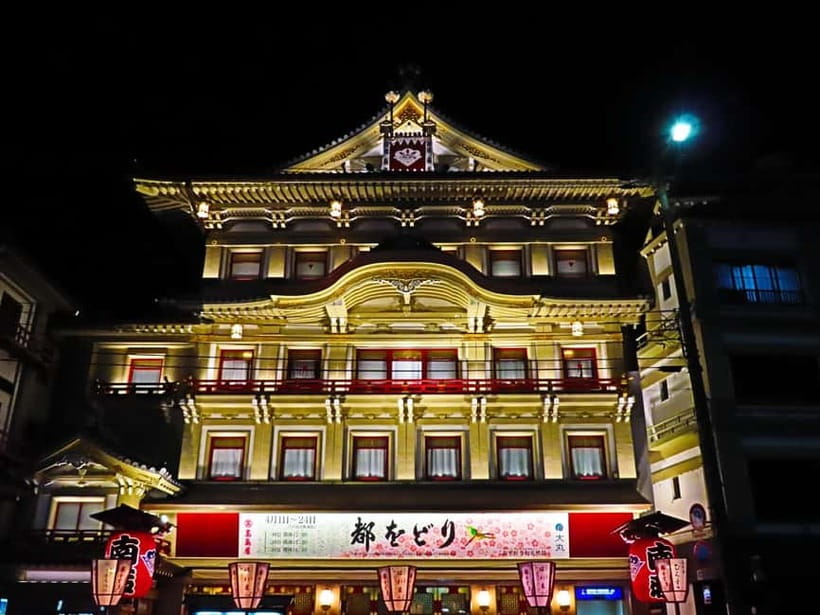
The route itself is attractive, but this experience depends heavily on the person leading it. Gion’s streets are available to anyone, while the guide provides the interpretation that turns a walk into a cultural tour.
Pedro has received especially strong praise for explaining the streets and geisha culture in an easy, complete way. He has also helped people choose places to eat near the end of the walk. Manuel has guided the same general experience and shared information about the places visited.
The guide language needs careful attention. The activity information identifies Spanish as the live tour language, while the included features also refer to an expert English-speaking guide. Since those details do not match perfectly, check the language offered for your chosen date before paying. This is the single most important practical point for an English-speaking customer.
The tour has a top rating from four verified bookings, with comments praising the guides for being friendly, clear, and entertaining. That is encouraging, but it is still a small number of ratings. I would treat the guide quality as a likely strength, not a guarantee that every departure will feel identical.
Is $22 good value for two hours?
At $22 per person, the tour is priced below many specialized cultural experiences in Kyoto. You receive two hours of guided walking, explanations about geisha and maiko culture, a small group capped at 15, and stops at Shirakawa Canal, Gion Corner, and Yasaka Shrine.
The value is strongest if you want context. A self-guided walk costs less, of course, but it will not automatically explain how to recognize teahouses or interpret traditional signs. The fee pays for the guide’s local knowledge and for a route that links several parts of Gion into one clear story.
The value is weaker if you want a guaranteed geisha encounter, an interior visit to a teahouse, a meal, or a performance. None of those is included. The tour gives you an informed look at the neighborhood from public streets.
Flexible booking also reduces the financial risk. You can cancel up to 24 hours before the start for a full refund, and the reserve-now, pay-later option lets you hold a place without paying immediately. Starting times vary, so check availability for the date you want.
Who should take this Gion walk?
I would recommend it most strongly to first-time Kyoto visitors who want a simple introduction to Gion. The route is short enough to fit before dinner and focused enough that you will not spend the whole evening wandering without knowing what you are seeing.
It also suits anyone curious about geisha and maiko culture but unsure how to approach the subject respectfully. The guide explains the setting and traditions without making the visit depend on a staged encounter.
The small group is helpful for solo visitors and couples who want questions answered. It is less suitable for children under 12, who are specifically excluded from the activity. Anyone who dislikes walking tours, wants extensive time for personal photography, or needs a guaranteed English-language guide should check those points before booking.
Should you book the Gion Night Tour?
Book it if you want a reasonably priced, two-hour introduction to Gion at a calmer time of day. The strongest reasons are the small group, the focus on reading teahouses and signs, the attractive canal route, and guides such as Pedro and Manuel who have been praised for clear, friendly explanations.
Do not book it expecting a guaranteed geisha sighting or an inside look at private teahouses. Those are not part of the experience. Confirm the operating language as well, since the published details mention both Spanish and English.
For most first-time visitors, this is a sensible way to give Gion some meaning before exploring it on your own. You pay $22 for orientation, stories, and a pleasant evening walk, not for a staged spectacle. That is a fair exchange if authentic local context matters to you.
FAQ
Where does the Gion tour start?
The meeting point is Ben’s Cookies Kyoto Shijo. The guide will be holding a sign with the name of the tour.
Where does the tour finish?
The walk finishes at Yasaka Shrine.
How long does the tour last?
The tour lasts two hours.
How much does the tour cost?
The listed price is $22 per person.
What language is the tour offered in?
The activity details identify Spanish as the live tour language. Another section mentions an English-speaking guide, so confirm the language for your selected date before booking.
How large is the group?
The group has a maximum of 15 participants.
Can children join the tour?
Children under 12 are not permitted to take part.
Might I see a geisha or maiko?
You may catch a fleeting glimpse of geisha on their way to evening appointments, but a sighting is not guaranteed.
What can I cancel the tour?
You can cancel up to 24 hours in advance for a full refund. You can also reserve now and pay later.
Just added for nights around Kyoto
- Kyoto: Station and Tower Night Tour with Light Show★ 4.8 · 5 reviews
- Kyoto: Nighttime Zen Meditation and Matcha Tea Experience★ 5.0 · 7 reviews
- Kyoto: Gion Evening Walk with Hidden Gems, Geisha & Sake★ 5.0 · 41 reviews
- Kyoto: Foodie Night Tour in Gion with 9 dishes + 6 Sake★ 4.4 · 26 reviews
- Kyoto: Night Walking Tour with Geisha Traditions★ 5.0 · 21 reviews
- Kyoto: Gion Morning/Night Walking Tour★ 4.3 · 4 reviews
- Kyoto Magic Night Walk: Gion & Fushimi Inari(Private Option)★ 5.0 · 5 reviews
- Kyoto: Fushimi Inari Taisha Night Tour with Guide★ 4.2 · 4 reviews
Kyoto Night Tours, compared.
Kyoto: Gion Magical Night Walking Tour with Geisha Trivia
Read our review →
Kyoto Night Foodie Tour in Gion (9+ dishes + 6 Sake tastings)
Read our review →
Kyoto Nighttime All-Inclusive Eats and Streets, Gion and Beyond
Read our review →
Kyoto: Gion Sunset Walking Tour with Local Guide
Read our review →Browse the lists this tour appears in