
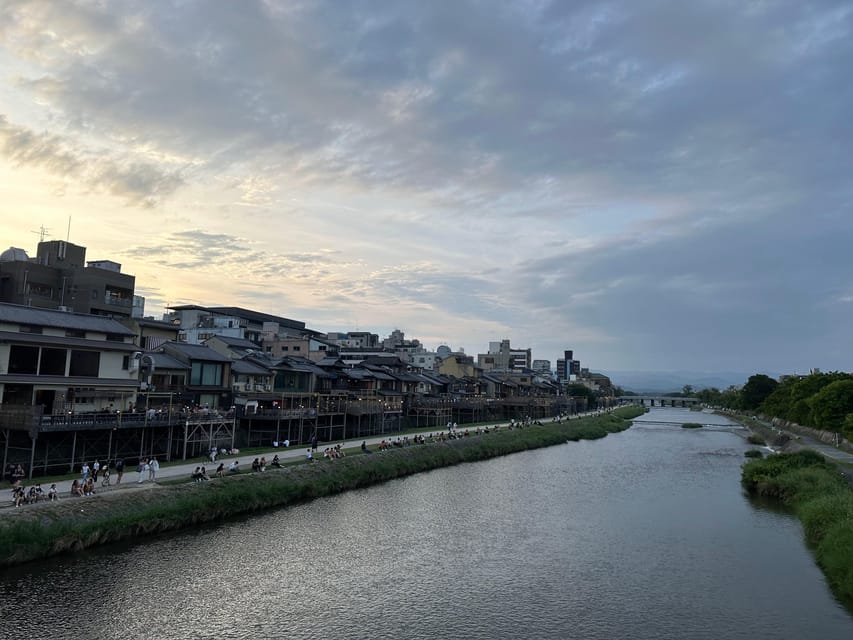
Review · KYOTO
Kyoto: Gion & Geisha district evening tour
Kyoto’s geisha districts are best understood after sunset, when the stone lanes grow quiet and the teahouse façades take on a softer mood. This 150-minute walk links Gion Shirakawa, Hanamikoji, and Miyagawacho, then continues past Yasaka Pagoda and Ninenzaka to Yasaka Shrine. You learn what geiko and maiko do, rather than simply hunt for a quick photograph.
I like the route’s mix of famous and less familiar streets, especially the stop at Miyagawacho, a quieter geisha district many first-time visitors miss. I also like the guide-led explanations, which can bring meaning to places that otherwise look like attractive old lanes. The main drawback is value: at $64 per person, you are paying for interpretation and company, not admission tickets, food, or a guaranteed geisha sighting.
Key points at a glance
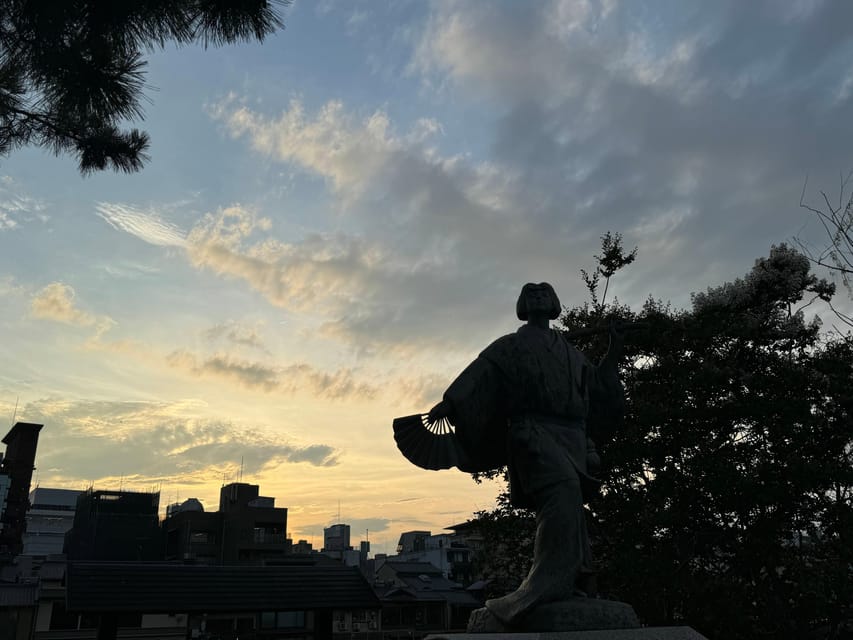
- Nighttime Gion has a calmer mood: The evening timing gives the historic lanes a more atmospheric setting and can make photography and walking more pleasant.
- Miyagawacho adds something different: This quieter geisha district helps you see that Kyoto’s traditional entertainment quarters are not limited to Gion.
- The guide supplies the context: Stories about geiko, maiko, teahouses, customs, and local history are the main reason to book rather than walk alone.
- Yasui Konpiragu Shrine has a personal theme: This unusual shrine is connected with relationships, giving the walk a change of pace from geisha lore.
- The finish is scenic: Yasaka Pagoda, Ninenzaka, Ishibe Alley, and Yasaka Shrine create a strong final stretch.
- Do not expect a guaranteed sighting: You may see geiko or maiko, but the tour cannot promise it, and respectful distance matters.
Starting beneath the Izumo-no-Okuni statue
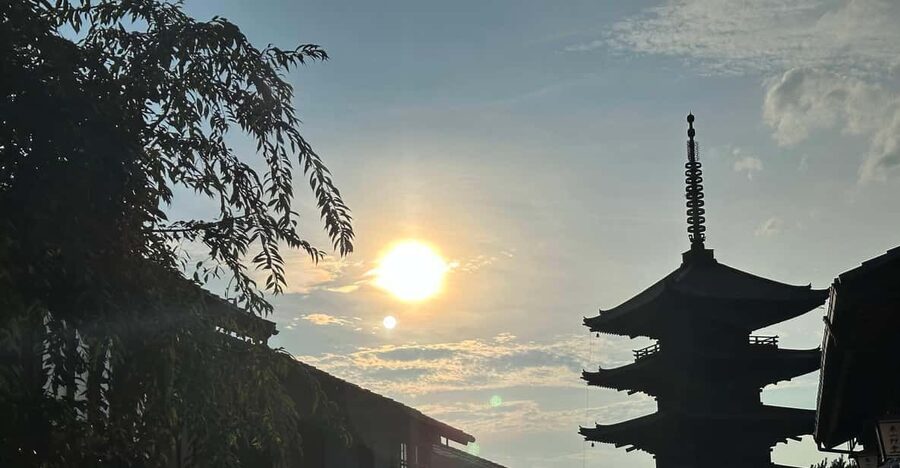
The meeting point is in front of the Izumo-no-Okuni statue at Shijo Ohashi. Look for a guide holding a yellow sign with the DeepExperience logo. This is a useful landmark in a busy part of Kyoto, but give yourself enough time to find it without rushing.
The statue honors Izumo no Okuni, the performer traditionally linked with the early development of kabuki. Beginning here gives the tour a fitting theatrical note before you enter the older entertainment quarters. It also places you near the Kamo River, one of Kyoto’s key city landmarks.
The tour is a private group experience, with live guiding in English or Japanese. That format should appeal if you want to ask questions or keep the pace focused on your interests. It also means your experience may depend on the guide assigned to your group. One guide named Yurie has been praised for patient, engaging explanations, including with a tween and a teenager.
Wear comfortable shoes. The walk lasts two and a half hours, and the route covers several districts and lanes rather than one compact attraction.
More night tours around Kyoto:
- Kyoto: Gion Magical Night Walking Tour with Geisha Trivia
★ 4.9 · 2,393 reviews - Night Walk in Gion: Kyoto’s Geisha District
★ 4.5 · 2,003 reviews - Kyoto Night Foodie Tour in Gion (9+ dishes + 6 Sake tastings)
★ 5.0 · 1,762 reviews
Gion Shirakawa and the etiquette of the geisha world
The first major stop is Gion, with about 15 minutes of guided explanation. Gion Shirakawa is known for traditional teahouses and the graceful presence of geiko and maiko. The point here is not simply to see old wooden buildings. Your guide helps explain how this entertainment district works and why its customs still matter.
The words geiko and maiko are important. Geiko is Kyoto’s term for a professional entertainer trained in music, dance, conversation, and traditional arts. A maiko is an apprentice, usually recognizable by her more elaborate hairstyle and dress. The guide’s role is to help you look beyond costume and understand the discipline behind the appearance.
You might see a geiko or maiko moving between appointments, especially in the evening. You might also see none at all. That uncertainty is part of the setting, not a flaw in the route. These women are going about their work, and the tour’s instructions to respect privacy are essential.
Photography may not be allowed in certain areas. Follow your guide’s directions, avoid blocking narrow streets, and do not treat anyone in traditional dress as a public display. A good visit to Gion depends as much on restraint as on curiosity.
Hanamikoji Street, Kyoto’s best-known geisha quarter
Hanamikoji Street receives another guided segment of about 15 minutes. This is one of the most recognizable streets in Gion, with traditional façades and a strong connection to Kyoto’s geisha culture. It can feel more famous and more visited than Miyagawacho, so the guide’s stories matter here.
I would pay close attention to the details your guide points out. A street can look simple at first glance, but the buildings, entrances, and teahouse tradition reveal how carefully this district has preserved its character. The value of the stop lies in knowing what you are seeing.
Hanamikoji is also where expectations can get out of hand. Some people book a geisha tour hoping for a clear sighting or a dramatic encounter. That is not a sound plan. You are buying a guided walk through the district and an explanation of its culture, not access to private teahouses or a staged performance.
The evening setting helps. Daytime crowds can make a narrow historic street feel more like a sightseeing corridor. At night, you may find a more subdued mood, though conditions vary. The walk does not include food, drinks, or a performance, so plan a separate meal if you want dinner afterward.
Miyagawacho, a quieter side of Kyoto’s traditional quarters
Miyagawacho, also written as Miyagawasuji in the route details, is one of the tour’s best reasons to book. It is another geisha district, but it generally feels less central to the standard first visit than Gion and Hanamikoji. The guide spends about 15 minutes here, giving you a chance to compare the areas.
This stop helps correct the idea that Kyoto’s geisha culture is contained in one famous neighborhood. Miyagawacho offers another preserved setting where traditional entertainment remains part of the area’s identity. You get a broader picture of Kyoto rather than a single postcard view.
The tradeoff is that it may feel understated. If you want one grand sight after another, this quieter section may seem less exciting. I see that as a strength for many visitors. The route is not only about famous photo spots. It gives you time to notice how different historic districts carry similar traditions in different ways.
A guide is especially useful here because the visual cues may be subtle. Without context, you may simply see lanes and old buildings. With explanation, the stop becomes a lesson in how Kyoto has maintained distinct entertainment quarters.
Same night, a different way out:
- Kyoto Gion Night Walk & Geisha District Guided Tour
★ 5.0 · 786 reviews - Kyoto Bar Hopping Night Tour
★ 5.0 · 613 reviews - Kyoto Nighttime All-Inclusive Eats and Streets, Gion and Beyond
★ 4.5 · 464 reviews - Gion Walking Tour by Night
★ 4.5 · 429 reviews
Yasui Konpiragu Shrine and its relationship theme
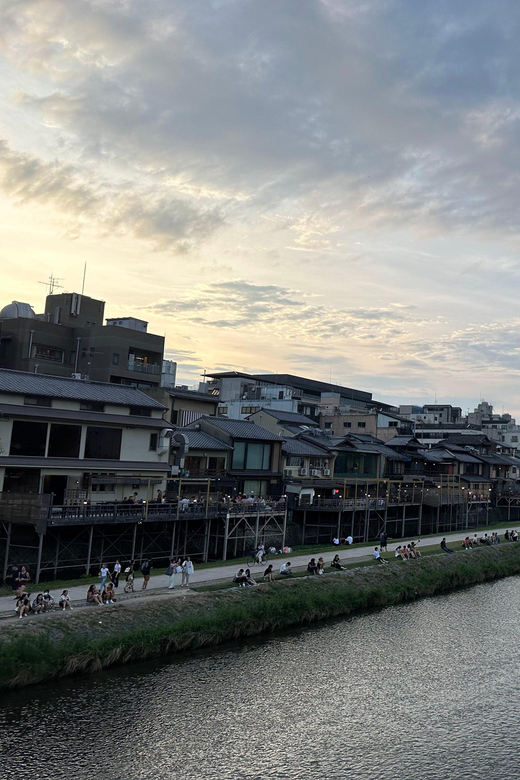
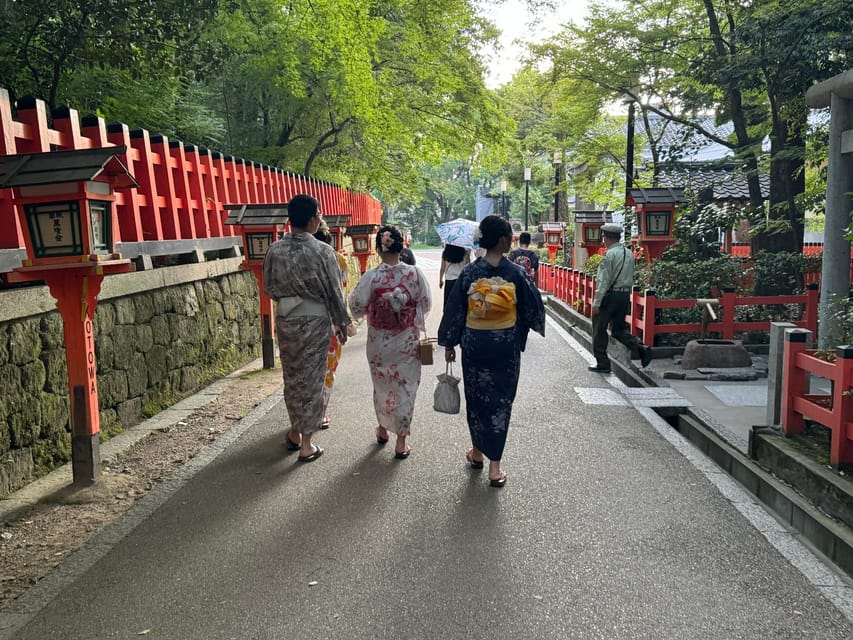
The tour includes a visit to Yasui Konpiragu Shrine, a place associated with relationships. It is a welcome change from the geisha districts and gives the walk a more personal, reflective stop.
The shrine is known for its connection with breaking unwanted ties and forming better ones. The supplied tour information does not promise a particular ritual or ceremony, so you should think of this as a visit and explanation rather than a hands-on religious activity.
This stop adds emotional range to the evening. The geisha districts focus on work, performance, tradition, and public etiquette. Yasui Konpiragu turns the subject toward personal hopes and relationships. That contrast keeps the walk from becoming a string of similar streets.
You will want to listen carefully to the guide here, since the shrine’s meaning is less obvious than its physical appearance. The visit lasts about 15 minutes, enough for an introduction without turning the tour into a full shrine study.
From Yasaka Pagoda to Ninenzaka
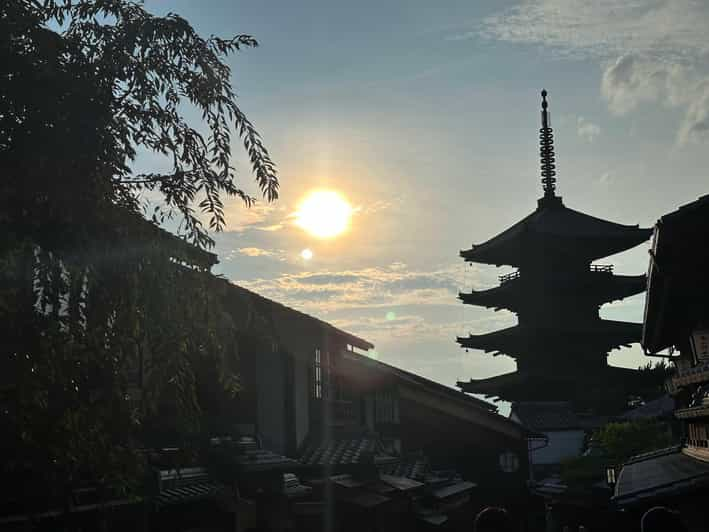
After the geisha districts and shrine, the route heads toward Yasaka Pagoda, Ninenzaka, and Ishibe Alley. This is one of the most scenic parts of the walk and a strong bridge between Gion’s entertainment quarters and Kyoto’s broader old-town character.
Yasaka Pagoda gives you one of Kyoto’s familiar historic views. From there, the route through Ninenzaka brings you into a network of traditional lanes and preserved streetscapes. Ishibe Alley adds another atmospheric section before the final stop.
The route may be especially attractive at night, when the streets can feel more subdued than during the day. Still, do not expect every shop or attraction to be open late. This is a walking and storytelling segment, not an evening shopping tour.
Take care on uneven surfaces and wear shoes with good support. The route involves a lot of walking, and the combination of stone lanes and a 150-minute duration makes comfort more important than fashion. The tour does not list transportation between stops, so you should understand it as a continuous evening walk.
Finishing at Yasaka Shrine
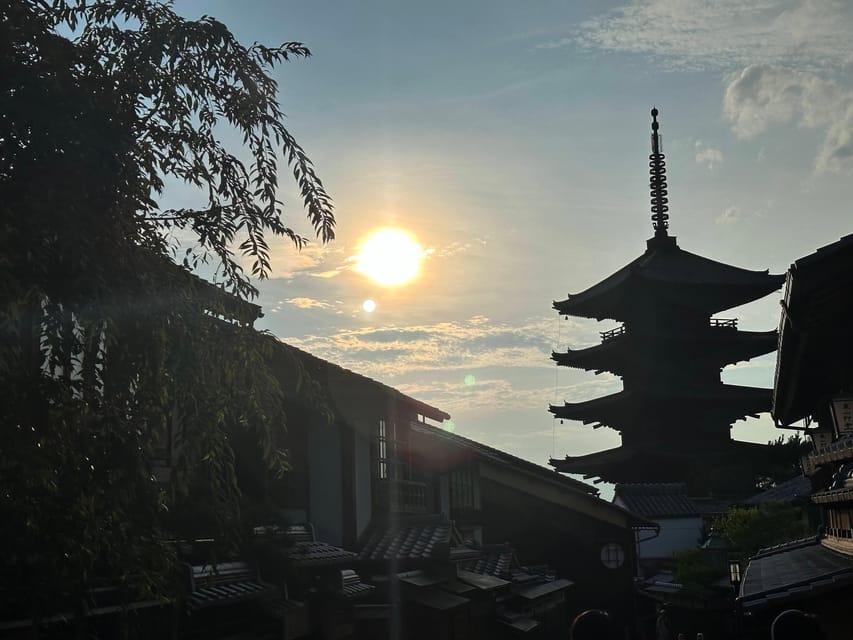
The tour ends at Yasaka Shrine, one of Kyoto’s important cultural sites. This gives the route a clear finish rather than dropping you somewhere along a residential lane.
Yasaka Shrine is a fitting endpoint because it connects the entertainment districts with Kyoto’s religious life and public traditions. After spending much of the evening learning about geiko, maiko, and teahouses, you finish at a major shrine that helps place those customs within the city’s wider culture.
The final 15-minute guided section should be useful for orientation. You can ask your guide about the areas you have just crossed, clarify terms, or get advice for exploring more of Kyoto. The experience ends here, so plan your onward route in advance if you are heading to dinner or returning to your hotel.
What $64 buys you, and what it does not
The price is $64 per person. That is not a bargain if you are comfortable walking Gion and Hanamikoji on your own. The districts are accessible, and you can see many of the streets without paying for a tour.
The case for the fee is the explanation. You are paying for a guide who connects the districts, describes the geisha world, explains the shrine, and leads you through a route that ends at Yasaka Shrine. If you enjoy local history but do not want to spend hours researching Kyoto before your trip, that service can be worthwhile.
The private group format also improves the value if you want a more focused outing. You can ask questions and avoid the feel of a large procession. On the other hand, the price does not cover food or drinks, and there is no included performance or guaranteed encounter with geiko or maiko.
One direct way to judge the cost is this: if your main goal is photographs, skip the tour and walk independently. If your goal is to understand what you are seeing, the $64 may be reasonable. A good meal is not included, so budget for that separately. If you stay in Gion, you may find the route easy to repeat on your own afterward.
Who will get the most from this evening walk
I would recommend this experience to first-time Kyoto visitors who want an introduction to the city’s traditional entertainment districts without arranging a private lecture or cultural class. It also suits couples and families who prefer walking and stories to indoor sightseeing.
The tour can work well with older children and teenagers. A patient guide such as Yurie can make the subject accessible to younger people, and the changing scenery helps hold attention. Very young children may find the long walk and quiet explanations less engaging, though the supplied information does not set a minimum age.
You should book if you want a clear route through several districts and like having cultural context supplied as you go. You should think twice if you already know Gion well, prefer to explore independently, or need a food-focused evening.
The tour is also a good choice if nighttime photography and atmosphere matter to you, but remember that photography rules can change by area. The respectful approach is to follow the guide and avoid photographing people without permission.
Booking allows cancellation up to 24 hours in advance for a full refund, and you can reserve now and pay later. Starting times vary, so check availability before booking. Those policies are useful in Kyoto, where weather and evening plans can change.
Should you book the Gion and Geisha District Evening Tour?
Book it if you want stories, cultural explanation, and a well-planned walking route through Gion, Hanamikoji, Miyagawacho, Ninenzaka, and Yasaka Shrine. The strongest parts are the evening mood, the less familiar Miyagawacho stop, and the chance to ask a live guide about geiko and maiko.
Skip it if you only want to see a geisha, take photographs, or find a cheap way to wander Gion. You may not see any geiko or maiko, and you can walk much of the route without paying. At $64, the tour earns its price through interpretation rather than access.
For most first visits, I see it as a useful orientation walk, especially when led by an engaging guide who can handle family questions. Go with realistic expectations, comfortable shoes, and respect for the people who work in these districts.
FAQ
Where does the tour meet?
Meet in front of the Statue of Izumo-no-Okuni at Shijo Ohashi. Your guide will hold a yellow sign with the DeepExperience logo.
How long does the experience last?
The tour lasts 150 minutes, or two and a half hours.
What language is the tour offered in?
Live guiding is available in English and Japanese.
Is this a private tour?
Yes. The activity is arranged for a private group.
What districts does the route visit?
The route includes Gion Shirakawa, Hanamikoji Street, and Miyagawacho. It also continues through Ninenzaka and Ishibe Alley.
Does the tour include Yasui Konpiragu Shrine?
Yes. The route includes a visit to Yasui Konpiragu Shrine, which is associated with relationships.
Does the tour finish at Yasaka Shrine?
Yes. The walk concludes at Yasaka Shrine.
Are food and drinks included?
No. Food and beverages are not included in the price.
Just added for nights around Kyoto
- Kyoto: Station and Tower Night Tour with Light Show★ 4.8 · 5 reviews
- Kyoto: Nighttime Zen Meditation and Matcha Tea Experience★ 5.0 · 7 reviews
- Kyoto: Foodie Night Tour in Gion with 9 dishes + 6 Sake★ 4.4 · 26 reviews
- Kyoto: Night Walking Tour with Geisha Traditions★ 5.0 · 21 reviews
- Kyoto: Gion Evening Walk with Hidden Gems, Geisha & Sake★ 5.0 · 41 reviews
- Kyoto: Gion Morning/Night Walking Tour★ 4.3 · 4 reviews
- Kyoto Magic Night Walk: Gion & Fushimi Inari(Private Option)★ 5.0 · 5 reviews
- Kyoto: Fushimi Inari Taisha Night Tour with Guide★ 4.2 · 4 reviews
Kyoto Night Tours, compared.
Kyoto: Gion Magical Night Walking Tour with Geisha Trivia
Read our review →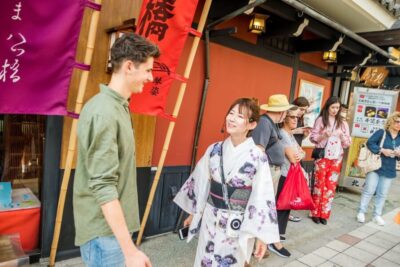
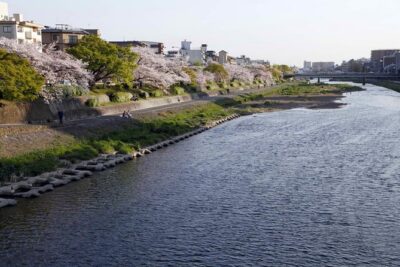
Kyoto Night Foodie Tour in Gion (9+ dishes + 6 Sake tastings)
Read our review →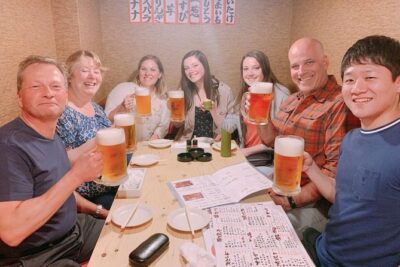
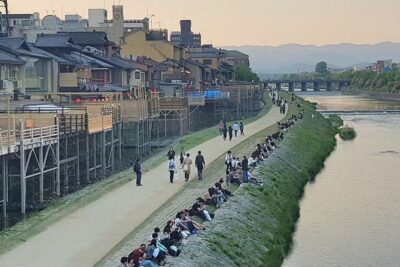
Kyoto Nighttime All-Inclusive Eats and Streets, Gion and Beyond
Read our review →
Kyoto: Gion Sunset Walking Tour with Local Guide
Read our review →Browse the lists this tour appears in