
Review · KYOTO
Kyoto: Gion Sunset Walking Tour with Local Guide
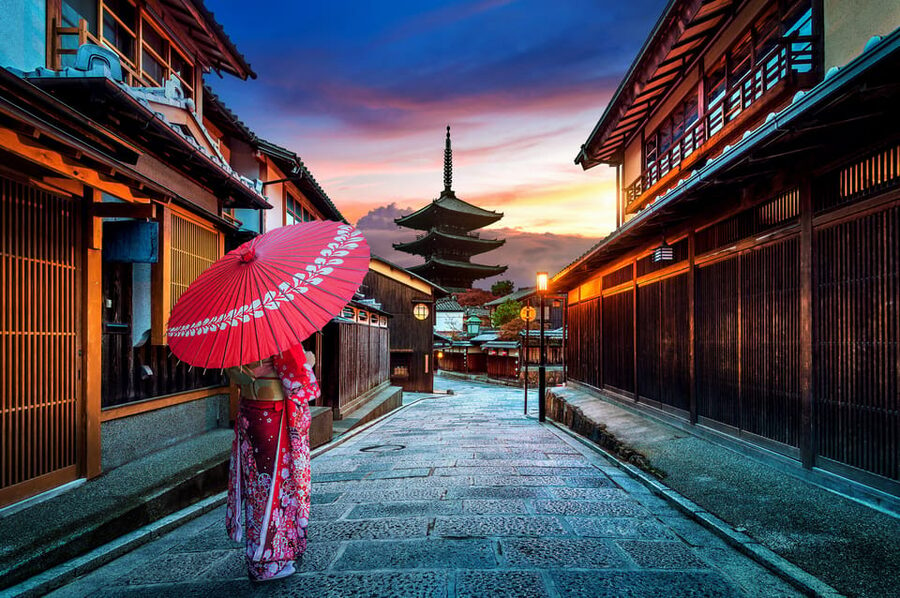
Gion is at its most atmospheric after sunset, when lanterns glow along narrow lanes and Kyoto’s old entertainment quarter takes on a quieter, more mysterious feel. This tour gives you a useful look at that world without asking you to spend an entire day on your feet. A geiko or maiko may pass by, but the real reward is learning how to read the streets, shrines, teahouses, and customs around you.
I like the small group of no more than nine, which makes it easier to ask questions and keep a comfortable pace. I also like the route’s timing: you begin as daylight fades and finish near Sanjo Bridge, with a snack break along the way. The main caution is simple: this is a three-hour walking tour, and the guide can wait only 10 minutes at the start, so comfortable shoes and an early arrival matter.
Key points to know before you book
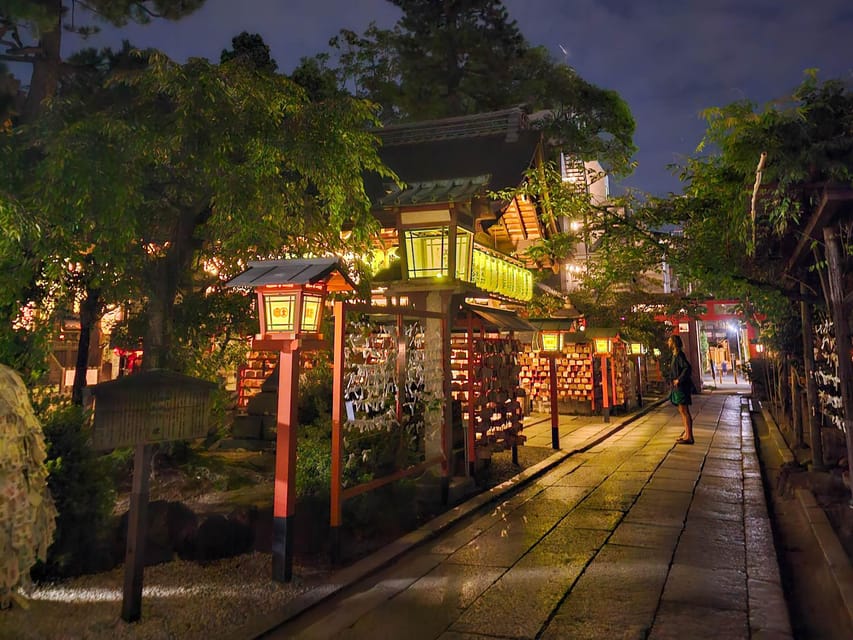
- Gion changes after dark: Lanterns, traditional restaurants, bars, and teahouses give the district a very different feel from daytime Kyoto.
- The route covers several famous areas: You visit Hanamikoji Street, Maruyama Park, Yasaka Shrine, Pontocho, and smaller lanes along the way.
- Local guides shape the experience: Guides including Jasmine, Raphael, Vincent, Alex, Katz, and Naoki have been praised for clear explanations and a friendly manner, though your guide is assigned by availability.
- The geiko sighting is a bonus, not a promise: You may see a geiko or maiko heading to work, but you should never treat the tour as a guaranteed sighting.
- The snack stop adds practical value: A local snack worth up to about ¥1,000 is included, with some outings using matcha or a café stop.
- At $22, it is a useful first-night orientation: You get three hours with a guide, a small group, and an easy-to-follow route through some of Kyoto’s best-known evening districts.
Why Gion works best after sunset
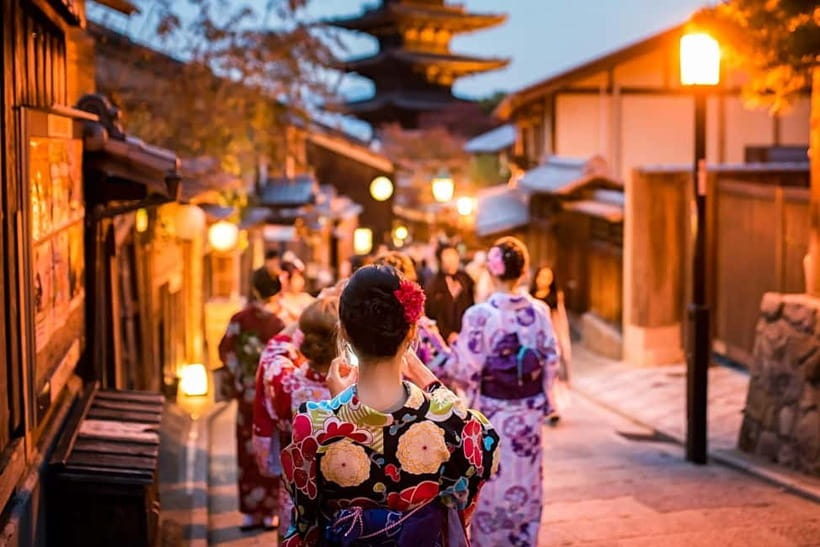
Gion is not just a collection of pretty streets. It is Kyoto’s historic geisha district, and its character depends greatly on time of day. In daylight, you notice wooden façades, tiled roofs, shrine gates, and souvenir shops. After sunset, the lanterns come on, restaurants begin receiving dinner guests, and the narrow lanes feel more connected to the district’s traditional entertainment culture.
That change is the central idea behind this walk. You start in the early evening and continue as the light fades, so you see both versions of Gion. The route is not built around rushing from one major sight to the next. Instead, the guide explains what you are seeing and points out details that are easy to miss when you explore alone.
I especially value this for a first evening in Kyoto. It gives you a map in your head: where Gion begins, how Hanamikoji relates to Yasaka Shrine, where Pontocho sits across the river, and which lanes feel more residential or traditional. Afterward, you can return to the area with more confidence.
More Night Walking Tours in Japan
- Kyoto: Gion Magical Night Walking Tour with Geisha Trivia
★ 4.9 · 2,393 reviews - Night Walk in Gion: Kyoto’s Geisha District
★ 4.5 · 2,003 reviews - Osaka Backstreet Nightlife & Street Food Walking Tour
★ 5.0 · 1,011 reviews
Starting at Kyoto Kawaramachi Garden
The meeting point is the corner of Kyoto Kawaramachi Garden, in front of the large black world map. Your guide should be wearing a TripGuru shirt or holding a TripGuru sign. Arrive at least 10 minutes early, since the group moves on if you are late.
This is a busy part of central Kyoto, so allow extra time for traffic and finding the exact corner. Navigation apps may underestimate delays, particularly at busy times. The tour does not include hotel pickup, so you are responsible for reaching the meeting point.
From there, the group heads toward the Gion area. The route is long enough to feel substantial, but short enough to fit neatly into an evening. You should still expect regular walking on city streets and some time standing while the guide talks.
A brief look at Minami-za Theatre
The tour passes by Kyōto Minami-za, Kyoto’s famous kabuki theatre. You spend about 10 minutes in this part of the route, usually hearing how traditional performance connects with the surrounding entertainment district.
This stop is more of an introduction than a full theatre visit. You do not go inside for a performance, and no ticket is included. Still, it helps explain why Gion is not simply an old neighborhood preserved for photographs. The theatre, teahouses, restaurants, and traditional arts are part of the area’s continuing cultural life.
A guide can make this brief stop useful by explaining the difference between the theatrical world and the geiko and maiko traditions nearby. Several guides have also discussed Japanese religion, local customs, and the role of entertainment districts, giving the walk more substance than a basic photo tour.
Hanamikoji Street at the best time of day
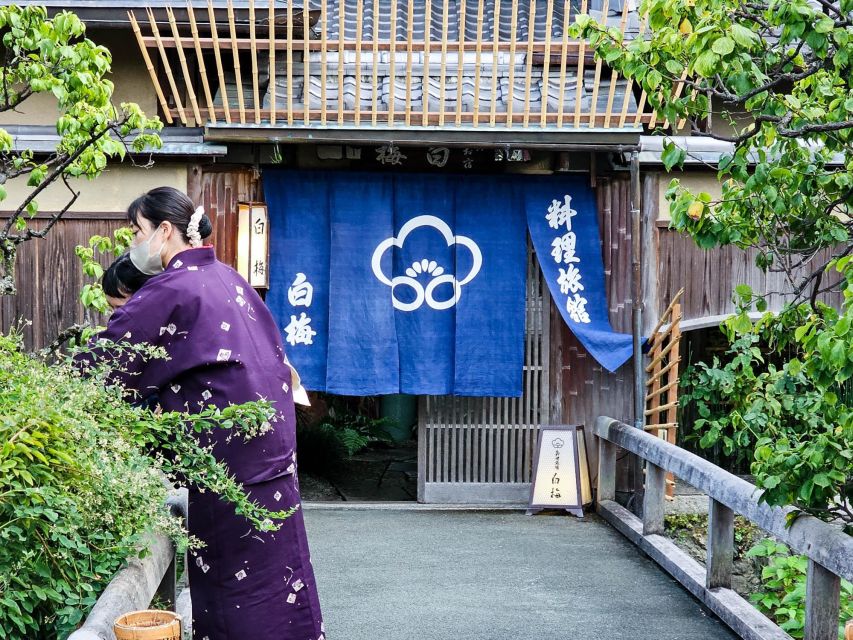
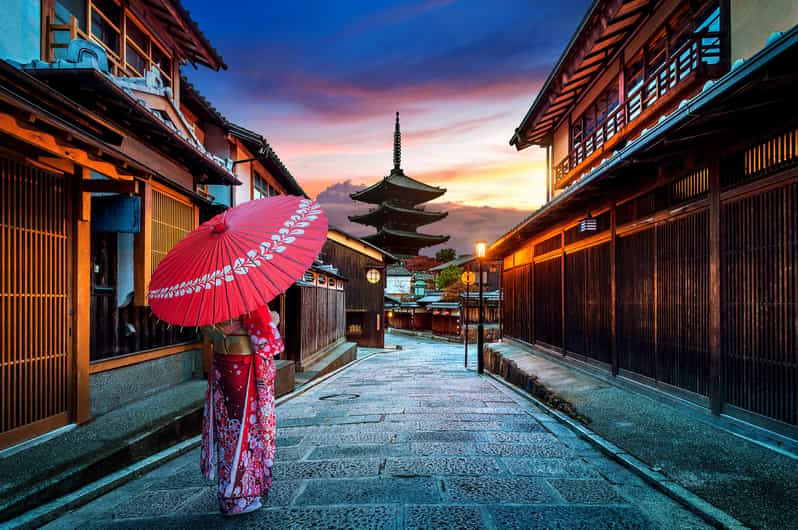
Hanamikoji Street is one of the best-preserved historic streets in Gion and receives about 30 minutes of guided attention. Its traditional wooden buildings and carefully maintained façades make it one of Kyoto’s most recognizable walks.
The timing is excellent. You see the street as evening arrives, when illuminated entrances begin to replace the softer daylight. Your guide can point out architectural details, explain how the district is organized, and help you understand why certain streets are especially sensitive places.
Hanamikoji is also where respectful behavior matters most. If you see a geiko or maiko, keep your distance, do not block the path, and avoid treating her as a public attraction. A longer camera lens is better than walking close. If she comes near, step aside, offer a small smile or bow, and let her continue.
The possibility of seeing someone on the way to an appointment is exciting, but it is not guaranteed. I would book this tour for the setting and cultural explanation first. A sighting should be treated as an unexpected bonus.
More Night Walking Tours in Kyoto
- Kyoto Gion Night Walk & Geisha District Guided Tour
★ 5.0 · 786 reviews - Gion Walking Tour by Night
★ 4.5 · 429 reviews
Smaller lanes, temples, and shrines
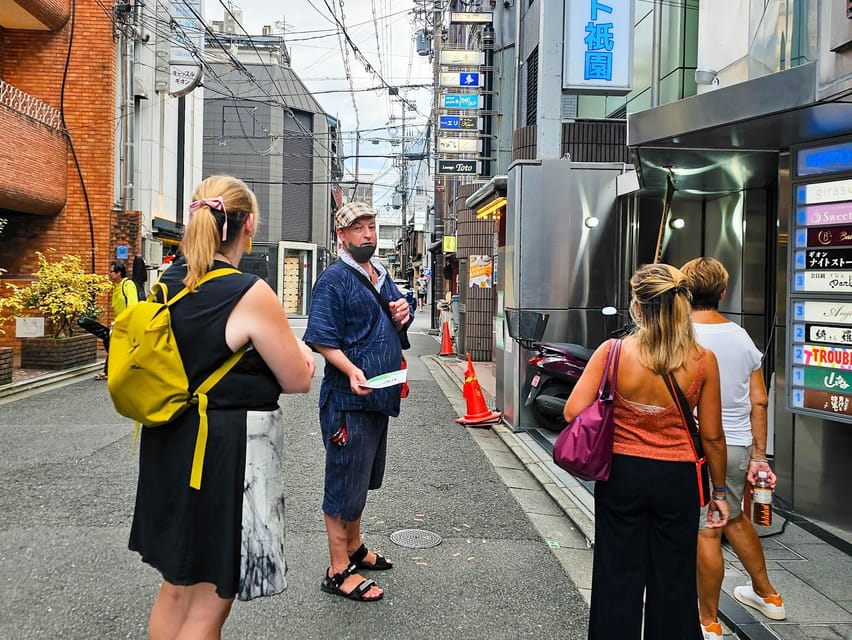
After Hanamikoji, the route moves through traditional backstreets and quieter spots, with roughly 30 minutes of guided sightseeing and scenic views along the way. The supplied route does not name every side street or temple, and the exact path may change with conditions and group interests.
That flexibility is useful. The guide can respond to questions and adjust the pace rather than delivering the same speech at every stop. Emelie, for example, found that guide Jasmine showed the group places she had missed while walking through the area alone the previous day. That is the practical strength of a local guide: not simply leading you along a map, but helping you notice what you would otherwise walk past.
The side streets also offer a break from the busiest photo spots. You might see small religious spaces, traditional entrances, stone details, and narrow lanes that do not announce themselves as major attractions. The guide’s explanation helps you understand how temples, shrines, homes, shops, and restaurants fit together.
Maruyama Park and Yasaka Shrine
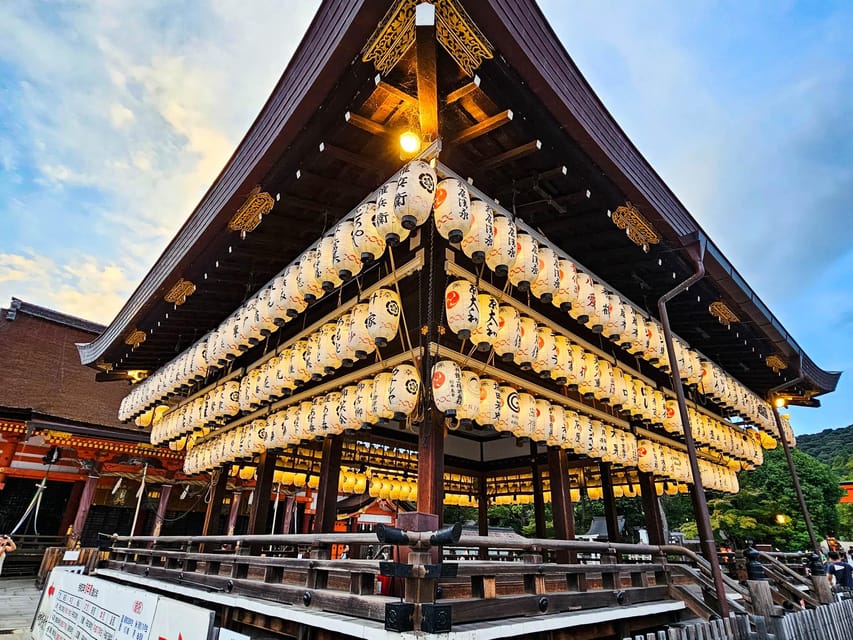
The walk continues to Maruyama Park for around 15 minutes. This is a useful pause in the route, with open space after the tighter streets of Gion. The guide provides context about the park and the nearby religious sites rather than treating it as a quick place for photographs.
Next comes Yasaka Shrine, also called Gion Shrine, with about 20 minutes of guided time. This is one of the key stops on the tour. You learn about the shrine’s role in local religious life, how Shinto spaces differ from Buddhist temples, and the customs that shape a visit.
Nighttime gives Yasaka Shrine a different mood from a daytime visit. Lanterns and illuminated buildings make the setting especially attractive, and several tours have included explanations of Japanese religion at this point. If you are new to Japan, this is one of the most useful parts of the evening because the guide can explain behavior and symbolism in plain language.
Do not expect a long formal lecture. The value comes from being able to ask questions as you move through the site. Guides such as Atsushi and Vincent have been praised for explaining religion and local culture in ways that connect to the places in front of you.
The snack break and what it really includes
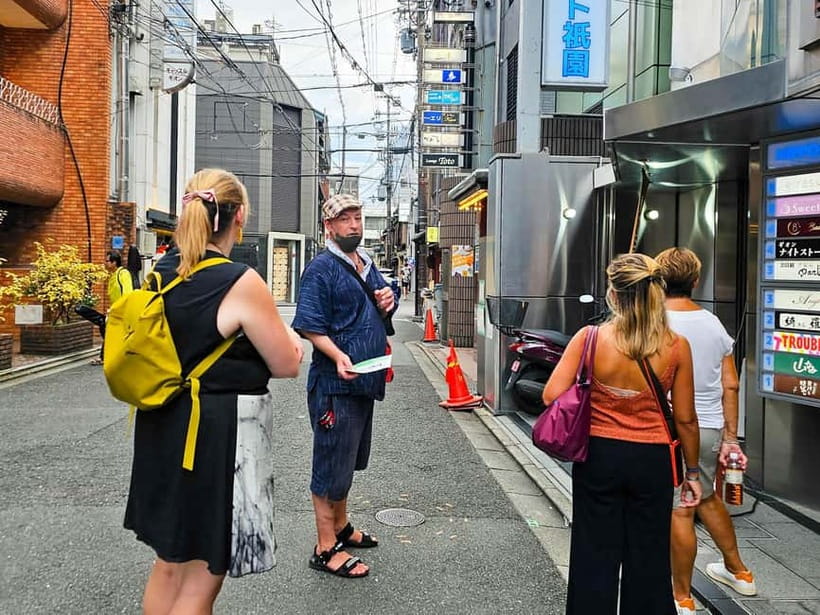
The tour includes about 20 minutes for a local snack. The cost is described as up to ¥1,000 per person, though the exact choice and setting can vary. Some outings have included matcha or matcha desserts, while another used a local supermarket where participants could choose a snack and drink.
This is not a full meal, so plan dinner separately. The break works better as a small taste and a chance to rest than as a substitute for lunch or dinner. It is a welcome touch on a cool evening, especially when matcha is served, and it gives you time to chat with the guide and other members of the group.
Bring cash. Personal spending, extra drinks, and meals are not included. If you have dietary restrictions, the available choice may depend on the stop used that evening, so this is worth raising with the guide rather than assuming the snack will suit you.
Pontocho and the walk to Sanjo Bridge
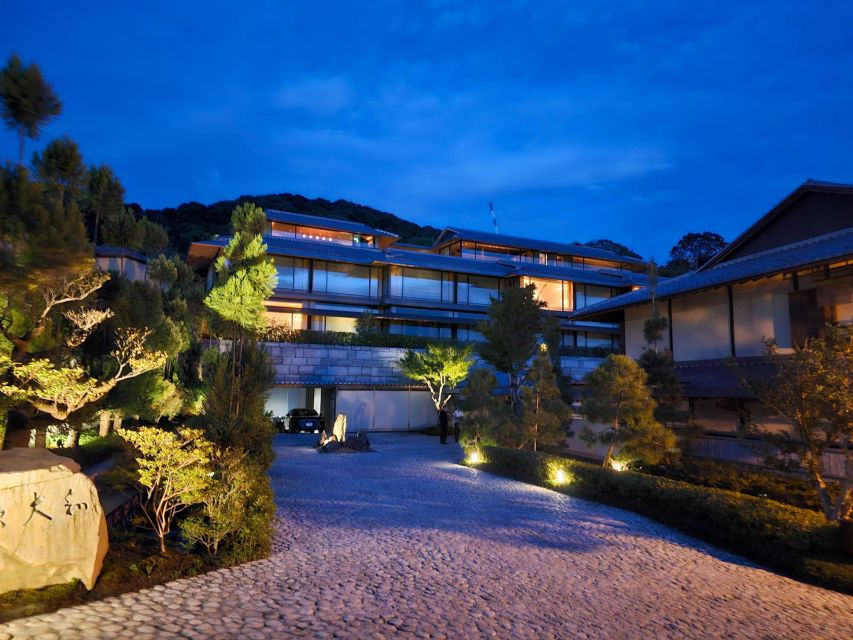
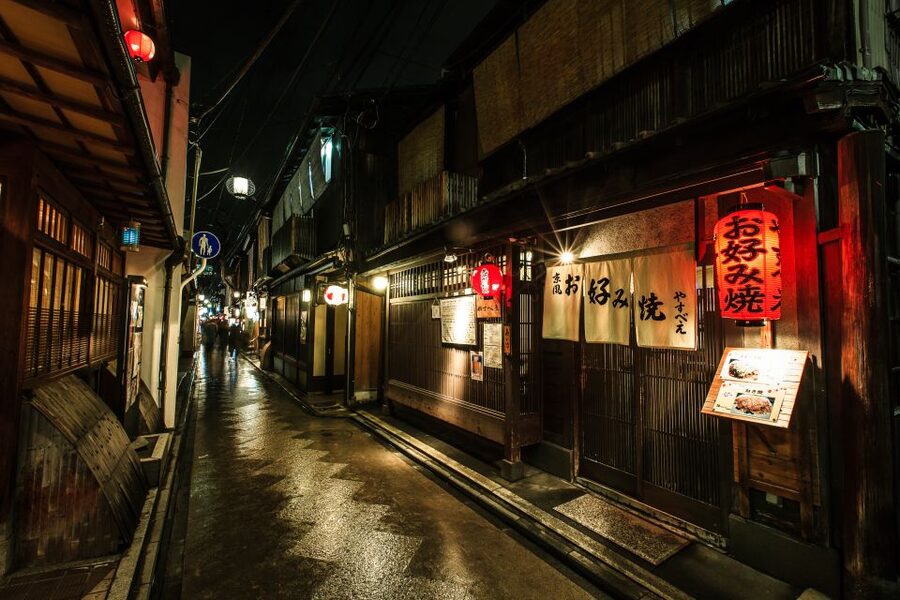
The final major area is Pontocho, with around 20 minutes of guided sightseeing. This narrow dining and entertainment district sits near the Kamo River and is known for its small entrances, restaurants, bars, and traditional atmosphere.
Pontocho makes a good final chapter because it shows another side of Kyoto’s evening life. Gion is closely associated with geiko and maiko culture, while Pontocho adds a dining and nightlife setting. Your guide can help distinguish the public streets from the private businesses and explain why many entrances are discreet.
The tour finishes at Sanjo Bridge. That is useful if you want to continue exploring, find dinner, or return toward central Kyoto without retracing the entire route. It also means the experience is not a round trip, so check your plans before booking and make sure the finish suits your evening.
The guides and the small-group advantage
The guide is the biggest variable in this experience, but the names attached to past outings give you a sense of the strengths available. Jasmine has been praised for clear English, warmth, and a willingness to answer questions. Raphael has been noted for adjusting the pace for an older couple. Vincent has received praise for cultural explanations and adapting the route in wet weather.
Other guides mentioned include Alex, Katz, Naoki, Atsushi, Gustavo, Zied, Karl, Boris, Yugi, and Nobumasa Miyake. Several are described as local residents or people raised in the Kyoto area. You cannot select a particular guide unless the booking system allows it, so book for the tour format rather than expecting a named person.
A group capped at nine is a real advantage. The guide can hear questions, stop for photographs, and keep an eye on the pace. One small group even ran beyond the planned time when the guide adapted to its interests, though you should not count on extra time if you have another reservation afterward.
Is $22 a fair price?
At $22 per person, this is good value if you want a guided introduction to Gion rather than a private tour or a formal cultural workshop. You receive about three hours of walking, an English, Spanish, or French-speaking guide, a small group, and a local snack.
The price does not include a meal, drinks beyond the included snack, transportation, hotel pickup, or entrance tickets. That keeps the cost low, but it also means you need to budget for dinner and get yourself to the starting point.
I see the strongest value in the local interpretation. You can walk Hanamikoji, Yasaka Shrine, and Pontocho for free, but it is harder to understand the customs, religious details, and geiko and maiko traditions without help. If you already know Gion well, the tour may feel less necessary. For a first visit, the cost is modest for an evening orientation.
Who should book this evening walk?
I would choose this tour if you have only one evening in Kyoto, want to understand Gion before exploring it on your own, or prefer a small group over a large coach outing. It also suits people who enjoy cultural background and local stories more than a checklist of major attractions.
It may not suit you if walking for three hours is difficult, if you need a fully accessible route, or if you have heart, respiratory, or mobility concerns. Pregnant visitors are also advised not to book this activity.
Wear comfortable shoes and bring a camera and cash. In wet weather, the route may be adjusted, as one guide did when conditions were poor. Summer evenings may feel warm, while winter can be cold, particularly during the snack stop and open-air sections.
Should you book the Gion sunset walk?
Book it if you want a compact, affordable introduction to Kyoto at night, with a guide who can explain what you are seeing and lead you through places that are easy to miss alone. The fading light, lanterns, religious sites, and final stretch through Pontocho give the route a strong sense of progression.
Do not book it solely to photograph a geiko or maiko. That sighting may happen, but it cannot be promised and should never be chased. Book for the streets, stories, small-group format, and the chance to see Gion change from day to night. With free cancellation up to 24 hours ahead and the option to reserve now and pay later, it is also a flexible choice for a Kyoto schedule that is still taking shape.
FAQ
How long does the Gion Sunset Walking Tour last?
The tour lasts three hours. It includes walking through Gion, visits to Hanamikoji Street, Maruyama Park, Yasaka Shrine, and Pontocho, plus a local snack stop.
Where does the tour start?
It starts at the corner of Kyoto Kawaramachi Garden, in front of the large black world map. Your guide should wear a TripGuru shirt or hold a TripGuru sign.
Where does the tour finish?
The tour finishes at Sanjo Bridge.
What languages are available?
Live guides are available in English, Spanish, and French.
Is a geiko or maiko sighting guaranteed?
No. You may see a geiko or maiko traveling to an appointment, but sightings are not guaranteed.
What is included in the price?
The price includes the walking tour, a live guide, and a local snack. Hotel transfers, meals, extra drinks, and personal expenses are not included.
What should I bring?
Bring comfortable shoes, a camera, and cash. Arrive at least 10 minutes before the stated start time because the guide waits a maximum of 10 minutes.
Can I cancel or pay later?
You can cancel up to 24 hours in advance for a full refund. The reserve-now-and-pay-later option lets you hold a place without paying immediately.
Just added for nights around Japan
- [1 Group Only ] Osaka: Private Night Food Tour for Family★ 5.0 · 2 reviews
- Private Tokyo Night Tour★ 5.0 · 115 reviews
- Kyoto Private Night Tour with a Local – Bars, Bites & Culture★ 5.0 · 48 reviews
- Osaka After Dark: Small-Group Night Food Tour (Max 6)★ 4.5 · 245 reviews
- Osaka Nighttime tour★ 5.0 · 270 reviews
- Osaka: Bar-Hopping Night Tour in Namba★ 4.7 · 117 reviews
- Osaka: Private Vibrant Nighttime Photoshoot (Dotonbori)★ 4.9 · 80 reviews
- Tokyo by Night Photography Tour (Private Option Available)★ 5.0 · 151 reviews
Kyoto Night Tours, compared.
Kyoto: Gion Magical Night Walking Tour with Geisha Trivia
Read our review →
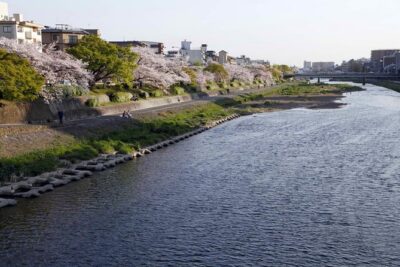
Kyoto Night Foodie Tour in Gion (9+ dishes + 6 Sake tastings)
Read our review →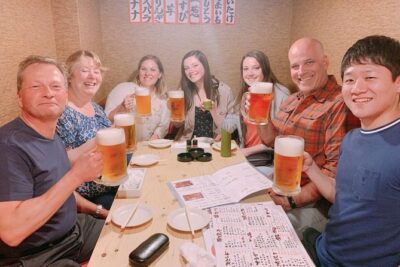
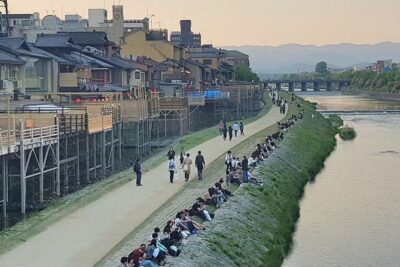
Kyoto Nighttime All-Inclusive Eats and Streets, Gion and Beyond
Read our review →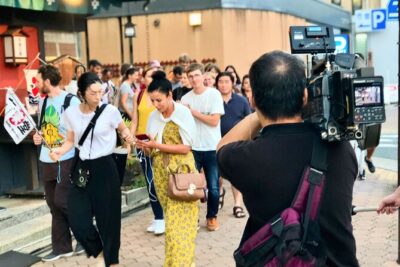
Kyoto Private Night Tour with a Local – Bars, Bites & Culture
Read our review →Browse the lists this tour appears in