
Review · UBUD
Ubud Traditional Night Market Food Tour-All Inclusive
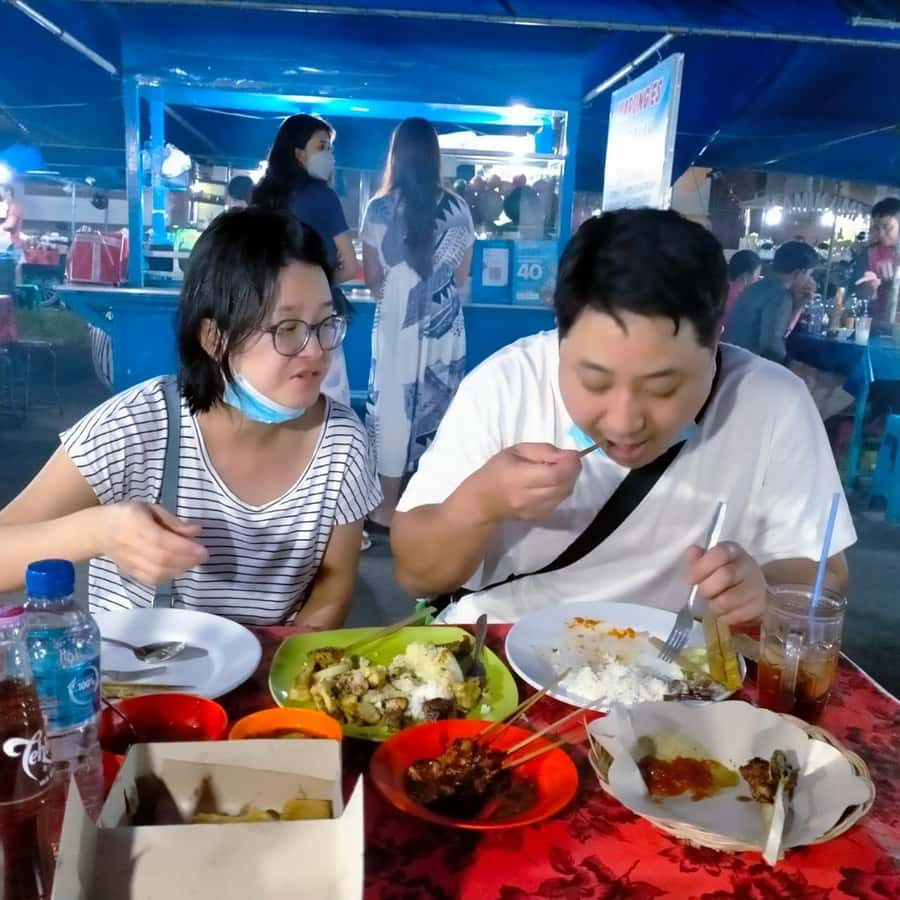
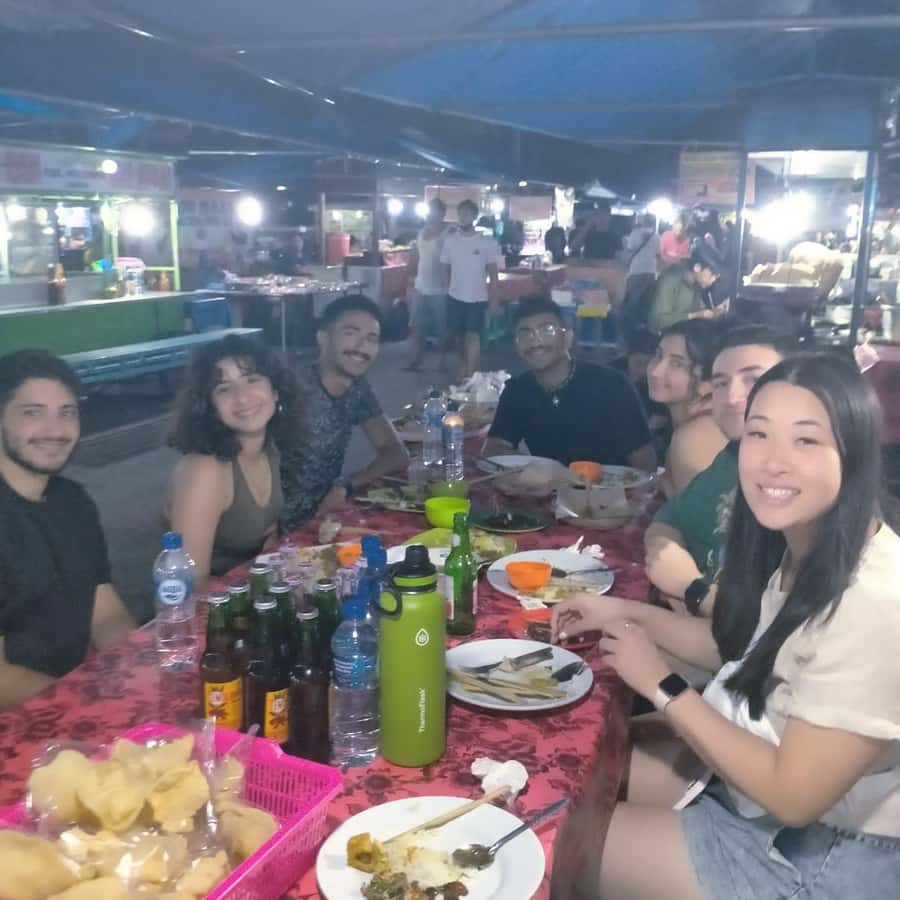
Gianyar Night Market is the real draw here: a large local market where you can sample Balinese food among the people who eat it regularly, not just at restaurants built for visitors. The three-hour evening includes traditional cakes, snacks, full dishes, fruit, and drinks, with a guide helping you understand what is on the plate.
I like the all-inclusive format, since you can try several foods without stopping to count every small bill. I also like the guides’ personal touch. Wayan, Amba, Kadek, and others are praised for explaining local customs, checking food preparation, and finding good stalls. The main consideration is dietary fit: this tour is not suitable for vegans, vegetarians, people with nut allergies, or people with diabetes.
Key points to know before booking
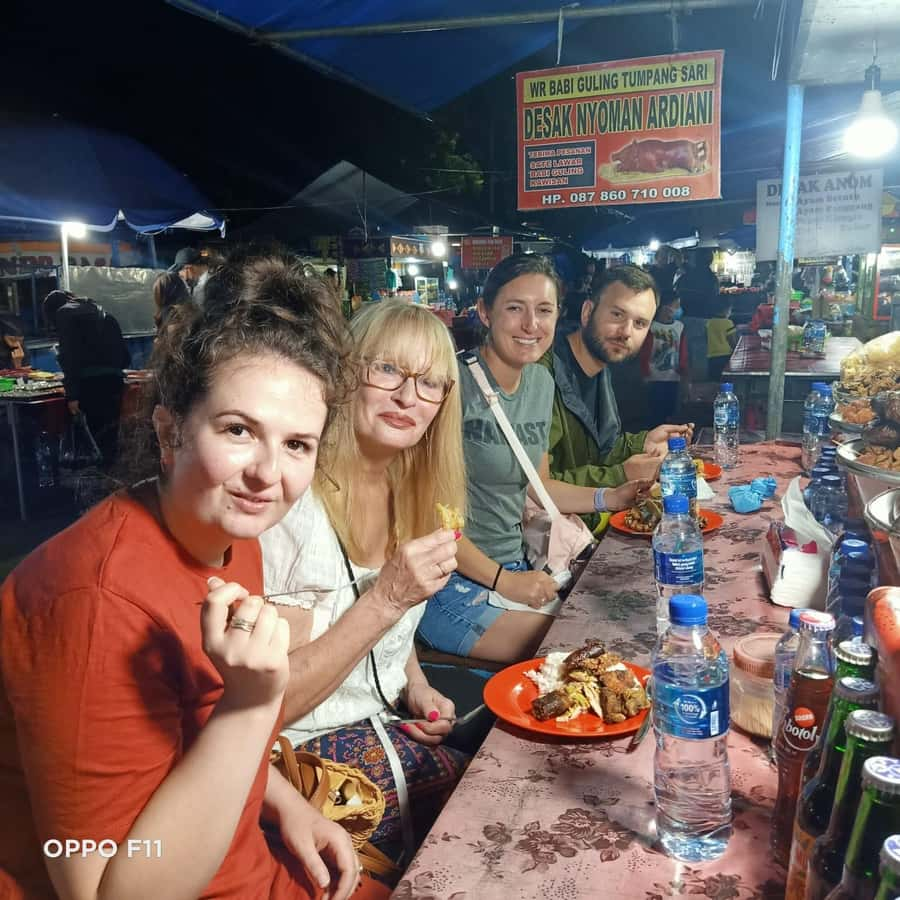
- Gianyar rather than central Ubud: You leave the usual tourist zone and visit a market popular with local residents.
- A full three-hour meal: Expect Balinese cakes, snacks, fruit, main dishes, and drinks, not a single tasting stop.
- Guides make ordering easier: Wayan, Amba, Kadek, Denny, and other guides explain unfamiliar foods and speak English.
- Popular dishes appear on the route: Past menus have included satay, gado-gado, ayam betutu, goat skewers, sweets, and fruit.
- Pickup is limited to Ubud hotels: Transport is included only for accommodations in the Ubud hotel area.
- Bring comfortable shoes and cash: You may want to walk around the market or buy something for yourself, even though the tour food is covered.
Why Gianyar Night Market is worth the short trip
Ubud is one of Bali’s easiest places for visitors to eat, but that convenience can keep you inside a familiar food bubble. Gianyar offers a different evening. It is a traditional market with many vendors and a strong local feel, giving you a chance to see how food is bought, prepared, and served outside the restaurant strip.
I like that the market visit is not treated as a quick photo stop. The guide walks you around, explains the market’s place in local life, and helps you choose food from several stalls. That matters in a market where the names, textures, and spice levels may not be obvious at first glance.
You should expect a busy public market rather than a polished food hall. There may be crowds, noise, heat, close quarters, and unfamiliar cooking smells. That is part of the point, but it also means you need comfortable shoes and a little patience. The experience works best if you are curious about ordinary local eating, not looking for a quiet restaurant meal.
More night market walks around the world:
- Phuket: Full Day City Tour with Night Market
★ 4.5 · 2,888 reviews - Seoul: Night Market Food Tour with Local Guide
★ 4.9 · 943 reviews - Cancun Taco Tour, Local Beer and Night Market with Transportation
★ 5.0 · 816 reviews
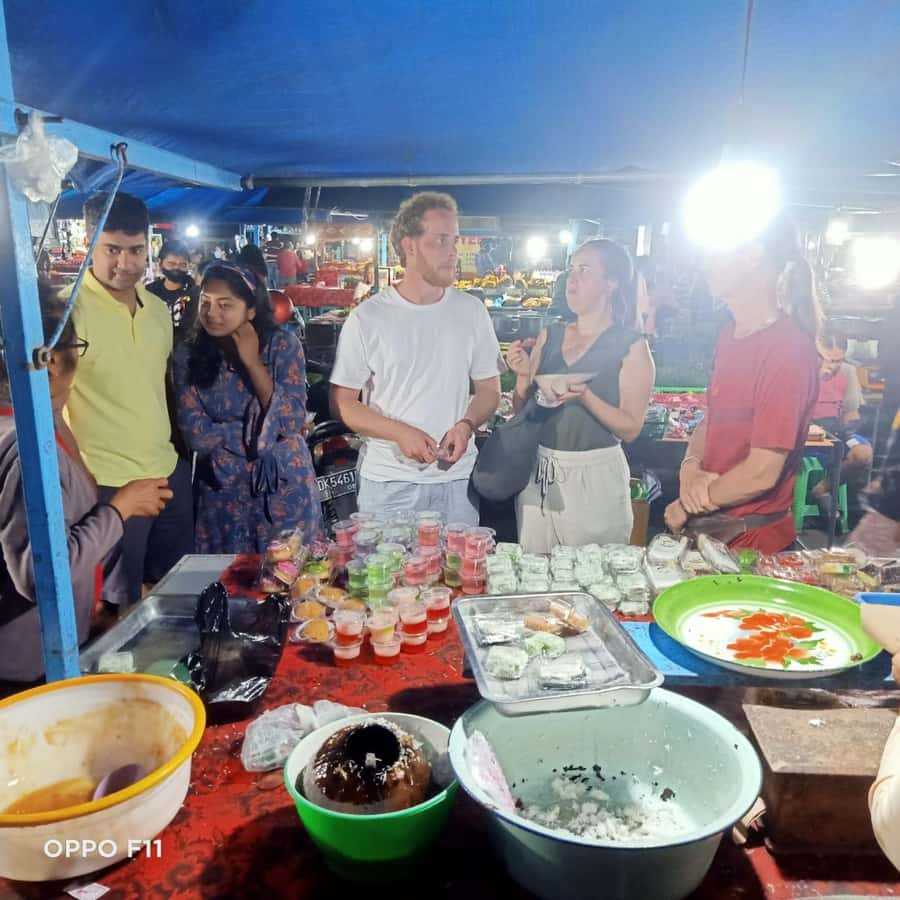
Starting with Balinese cakes and small snacks
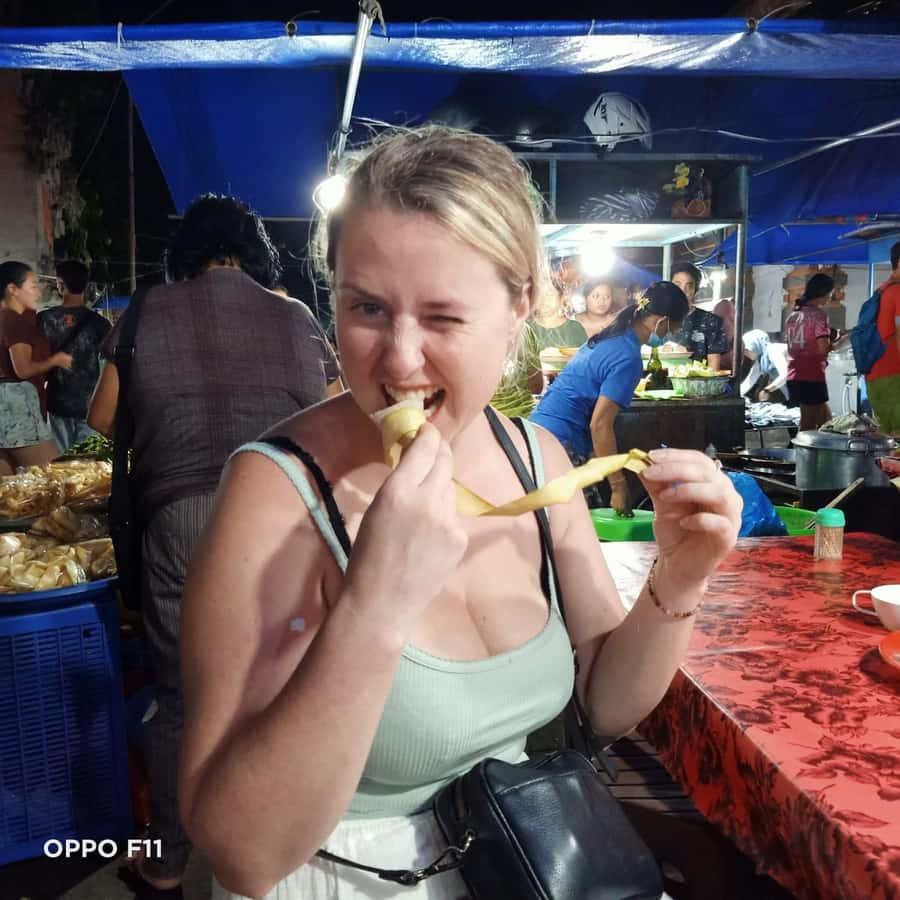
The evening begins with traditional Balinese cakes and snacks. This is a smart introduction because these small foods show a gentler side of Balinese cooking before the larger dishes arrive. You may encounter sweet, sticky, colorful, or coconut-based treats, though the exact selection can vary.
The snack course also gives you time to get used to the pace of the market. Instead of receiving a fixed Western-style menu, you begin by tasting several small items while your guide explains what they are and how they fit into Balinese food traditions.
I would arrive hungry but not exhausted. The tour promises enough food to leave you full, and the meal grows as the evening continues. Anyone who prefers to sample rather than eat large portions should tell the guide early, especially because the all-inclusive setup encourages you to try more than you might order alone.
Ordering local dishes without guesswork
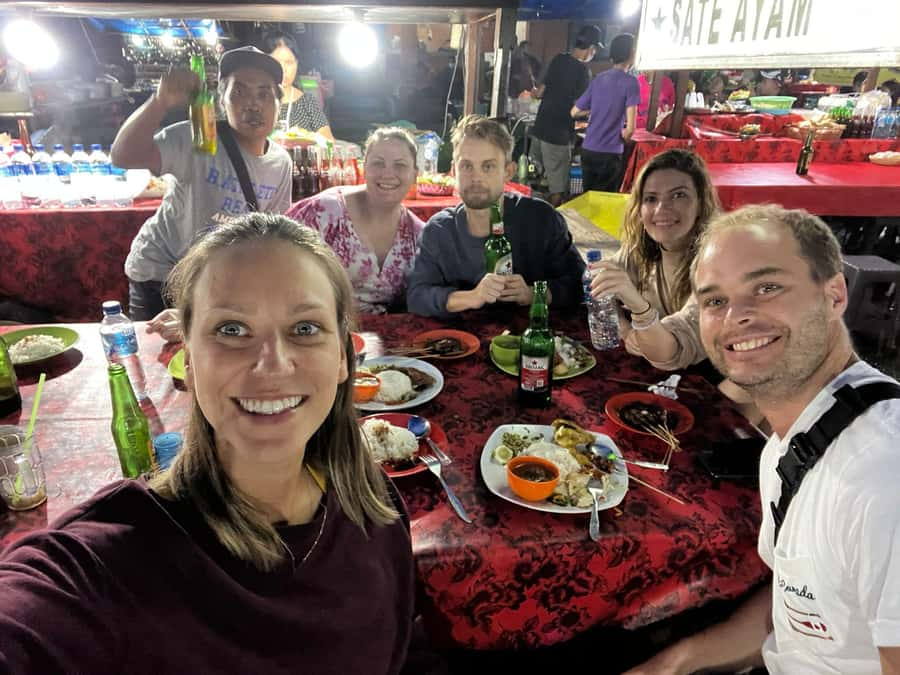
A strong part of this experience is the guide’s role at the food stalls. You are not left to point at something mysterious and hope for the best. Guides such as Wayan, Amba, Kadek, Denny, and Wayan Murja have been praised for explaining ingredients, talking with vendors, and helping select food that is suitable and safely prepared.
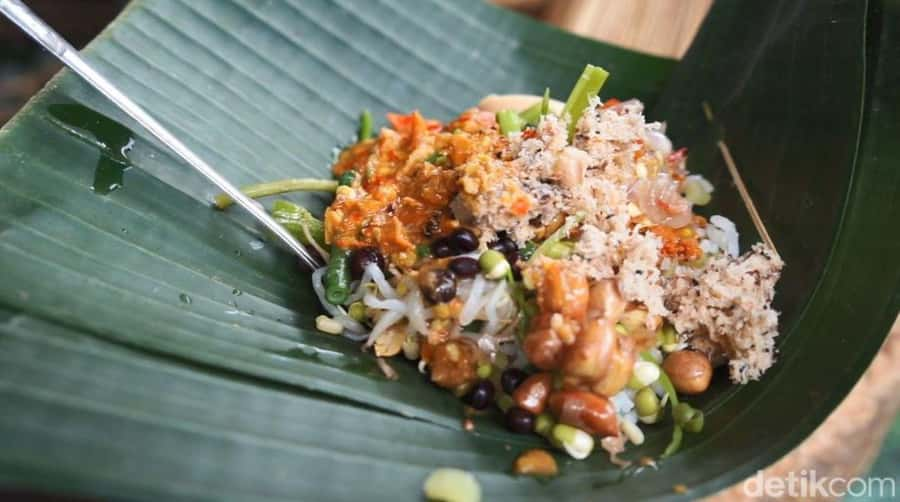
That support is especially useful with dishes that may be unfamiliar. The food mentioned on this route includes grilled satay, gado-gado, ayam betutu, and sate kambing, or goat skewers. Gado-gado brings vegetables and sauce together in a filling dish, while ayam betutu is a more substantial Balinese chicken preparation. Goat skewers offer a stronger, meatier option for adventurous eaters.
You may also try fruit, sweets, and other snacks found at the market. The precise combination is not presented as a fixed menu, so the evening has some flexibility. Stall availability, the guide’s choices, and the market on that particular night can shape what you eat.
One useful point is that guides may check how food is prepared before serving it to you. That does not make street food risk-free, and you should still explain allergies or medical restrictions before booking. For the right eater, though, having a local guide handle the communication is far easier than navigating every stall alone.
Megibung and the social side of Balinese food
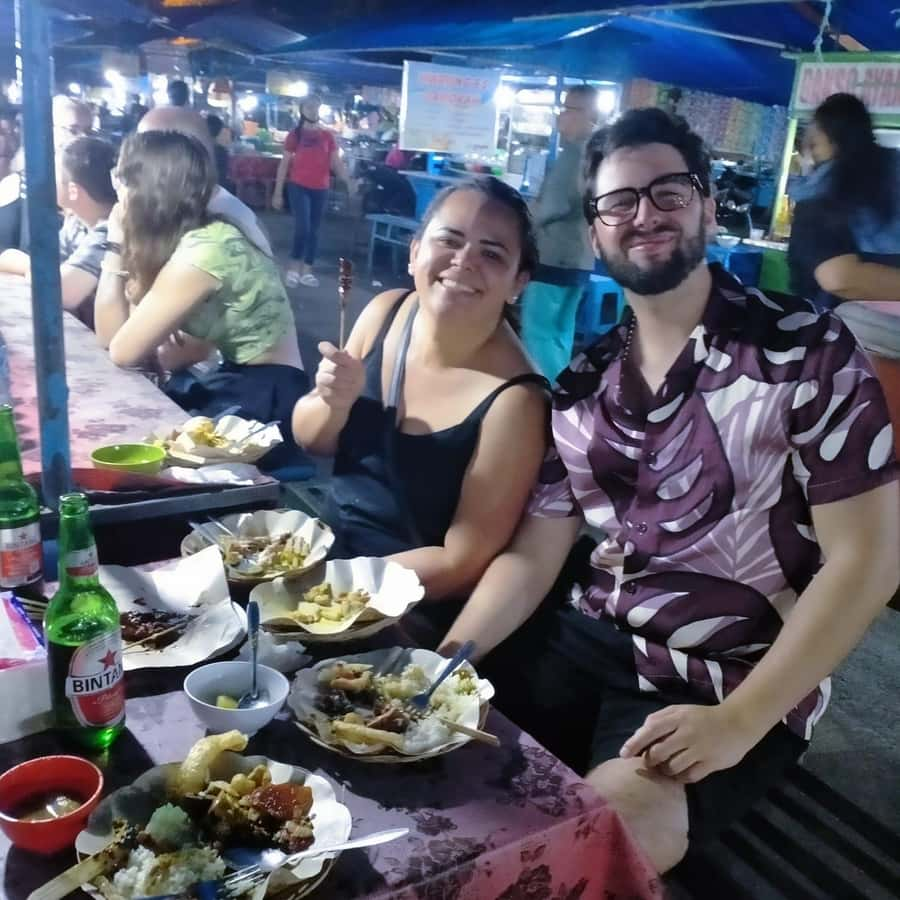
The tour introduces the idea of Megibung, a traditional Balinese style of sharing food. Food in Bali is not only about individual plates. Shared dishes can be tied to family, community, ceremony, and everyday social life.
That cultural explanation gives the meal more meaning. You are not simply ticking off satay, sweets, and vegetables. You are learning why food is served in certain ways and how it connects with Balinese customs. Guides are also available to answer broader questions about daily life, local traditions, and the area around Gianyar.
This is where the quality of the guide matters most. The strongest feedback goes to guides who explain clearly, keep the mood relaxed, and answer questions rather than rushing from one stall to the next. Amba is praised for his English, humor, patience, and explanations of Bali’s customs. Wayan is repeatedly described as friendly and helpful, while Kadek is credited with showing the best food stands and explaining local culture.
The exact guide is assigned by the operator, so you cannot assume you will receive a particular person. Still, the repeated praise for several guides suggests that the experience depends on a real team rather than one individual.
More Night Food Tours in the world:
- Saigon By Night and Street Food By Motorbike | Opt: Ao Dai Riders
★ 5.0 · 4,066 reviews - Bangkok by Night: Temples, Markets and Food Tuk-Tuk Tour
★ 5.0 · 3,752 reviews - Private Street Food Evening Walking Tour in Ho Chi Minh City
★ 5.0 · 3,175 reviews - Marrakech: Street Food Tour by Night
★ 4.8 · 2,838 reviews
What the three-hour itinerary feels like
The tour starts with pickup from your accommodation in the Ubud hotel area. You then travel to Gianyar, visit the market, eat at selected stalls, and return to Ubud. Because pickup is limited, check your hotel location before booking. One past group outside the stated area received an accommodation, but that should not be treated as standard.
At the market, you can expect walking between food vendors and sitting or standing while dishes are served. The experience is not described as a formal cooking class. Its strength is the combination of food tasting, market wandering, and conversation with a guide.
The three-hour length is enough to make the trip feel worthwhile without taking an entire evening. It also gives you a proper meal rather than a handful of samples. If you have an early dinner planned, skip it. The practical advice to arrive hungry is sound.
Transport is another useful part of the package. You do not need to arrange a separate ride to Gianyar or work out how to return to Ubud after eating. The transport is highly rated, and the guide may also serve as your driver. Drinks are included, but you cannot bring drinks into the vehicle.
The food and drink value at $43
At $43 per person, this is not the cheapest way to eat at a Balinese market. You could spend less by arriving independently and buying one or two dishes. The comparison changes when you count the included food, snacks, drinks, market guidance, entrance fees, and hotel transport.
I see the price as fair for visitors who want variety and help with ordering. You are paying for a full evening rather than a single plate. You also avoid the uncertainty of choosing stalls without knowing what you are buying or how much food to order.
The value is weaker if you already know Gianyar, speak enough Indonesian or Balinese to order comfortably, and prefer to choose every dish yourself. Independent eating gives you more control and may cost less. This tour is aimed at people who want a guided introduction with no surprise bill for the included portions.
Personal purchases are not covered. Bring cash if you want to buy packaged snacks, souvenirs, or extra food from a stall. Food and drinks provided as part of the tour are included, but that does not mean every item you see at the market is yours to take.
Who should book, and who should skip it
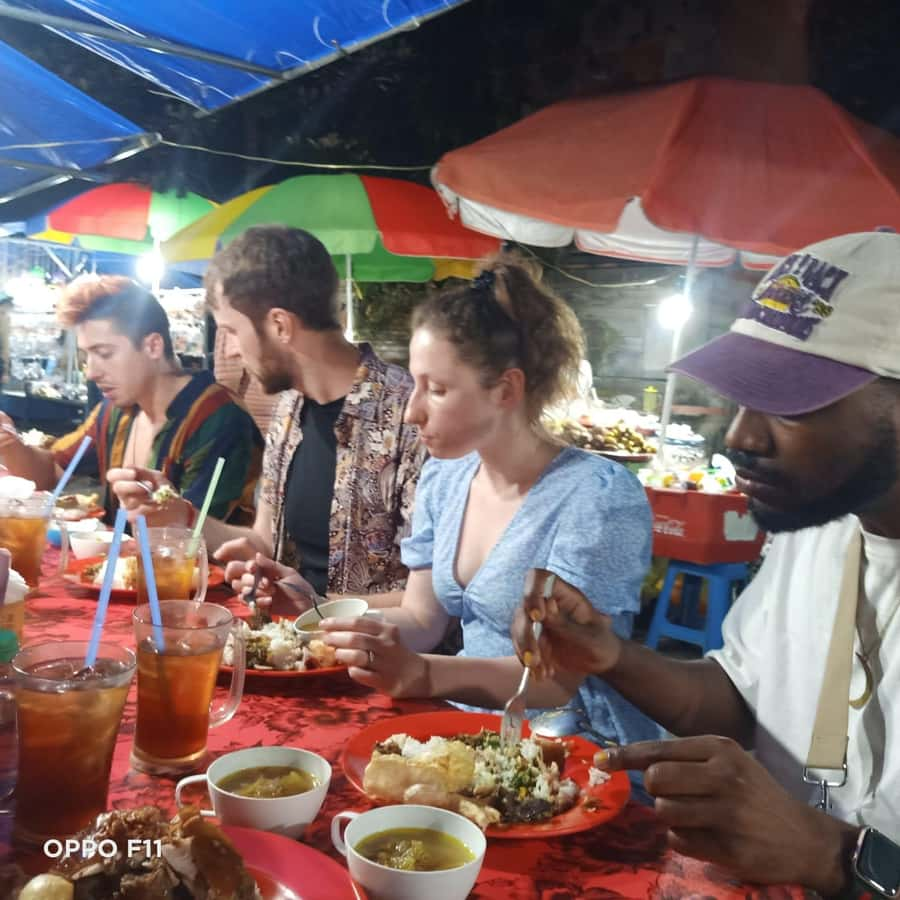
This is a good match for you if you:
- Want to try local food but need help identifying dishes.
- Prefer a full meal with several tastings instead of one restaurant booking.
- Enjoy markets, street food, and informal settings.
- Want to learn about Balinese customs while eating.
- Are staying in the Ubud hotel area and value included transport.
- Are comfortable trying meat, vegetables, sweets, fruit, and foods that may contain nuts.
Families and mixed-age groups can also find the format useful. A group of three generations enjoyed the evening with Amba, and the guide’s explanations can make unfamiliar food less intimidating. Still, children or cautious eaters may need to be told what is spicy or strongly flavored before trying it.
This is not the right choice for vegans or vegetarians because the food focus includes meat dishes. It is also unsuitable for people with nut allergies, diabetes, or altitude sickness according to the activity restrictions. If you have another food allergy or a strict medical diet, contact the provider before paying rather than relying on last-minute adjustments.
Practical tips for a better market evening
Wear comfortable shoes. You will be walking through a large market and may spend time standing near vendors. Bring a camera if you want to record the food and atmosphere, but ask before photographing people or food preparation.
Bring cash for personal purchases. You do not need it for the included food and drinks, but the market is a tempting place to buy snacks or other items.
Tell the guide about your food preferences at the start. The guides are reported to take care with preparation, but they cannot manage a restriction they do not know about. This is especially important for nuts and medical conditions.
Keep your evening flexible. The tour begins at an available starting time, and market conditions can affect the flow. It is better suited to someone who enjoys a relaxed local outing than someone who needs every stop to run on a strict schedule.
The activity is wheelchair accessible, which is useful information for anyone planning mobility support. Because the tour takes place in a traditional market, ask the provider about your specific needs before booking so the route and vehicle arrangements are clear.
Cancellation is free up to 24 hours before the start time, and you can reserve now and pay later. Those terms help if your Ubud plans are still shifting, but you should still confirm the pickup area and starting time before you commit.
How this compares with eating independently in Ubud
Eating independently in Ubud is easier if you want familiar menus, air conditioning, or control over the meal. You can order at your own speed and stop when you are full. The tradeoff is that you may miss dishes that are not aimed at tourists, and you may not know which stalls are best suited to a first visit.
This tour removes much of that friction. The guide handles communication, introduces the dishes, and keeps the evening moving. You also get Gianyar, which feels different from central Ubud and is worth the trip for anyone curious about local market life.
The experience is less suitable if you dislike shared eating, street food, busy markets, or an unknown menu. It is also not a culinary master class. You will learn about food and culture, but the focus is tasting and conversation rather than detailed cooking technique.
Should you book the Gianyar night market tour?
Book it if you want a substantial, guided introduction to Balinese market food and prefer to pay one clear price. The best reasons are the range of dishes, included drinks and transport, and the guide’s help with ordering and cultural context. The route also takes you beyond central Ubud, which gives the evening a stronger local feel.
Skip it if you are vegetarian, vegan, allergic to nuts, managing diabetes, or determined to choose every dish independently. Also think twice if you want a quiet dinner rather than a busy market outing.
For most adventurous eaters staying in Ubud, this is a practical way to spend three hours. Come hungry, wear shoes you can walk in, keep some cash for extras, and tell the guide about restrictions before the first snack arrives.
FAQ
How long does the Ubud Traditional Night Market Food Tour last?
The tour lasts three hours, including travel, market time, food tastings, drinks, and the return to Ubud.
Where does the tour go?
The tour starts with pickup in Ubud, visits Gianyar Night Market, and returns to Ubud.
Is hotel pickup included?
Yes, pickup and drop-off are included for accommodations in the Ubud hotel area only.
What food can I expect to try?
The experience includes traditional Balinese cakes, snacks, fruit, drinks, and local dishes. Foods mentioned for the tour include satay, gado-gado, ayam betutu, and goat skewers. The exact selection may vary.
Are food and drinks included in the price?
Yes. All food, snacks, drinks, entrance fees, and eligible Ubud hotel transfers are included. Personal purchases are not included.
Is the tour suitable for vegetarians or vegans?
No. The activity is listed as unsuitable for vegetarians and vegans. It is also not suitable for people with diabetes, altitude sickness, or nut allergies.
Can I cancel the booking?
You can cancel up to 24 hours before the activity for a full refund. Reserve-now, pay-later booking is also available.
More late-night shopping around the world
- National Mall Monuments Night Tour with 10+ Stops, Entry Tickets
★ 4.5 · 4,863 reviews - Small Group National Mall Night Tour with 10 Top Attractions
★ 5.0 · 1,658 reviews - Hoi An Night Market – Ancient Town street food tours by Night
★ 5.0 · 165 reviews - Hoi An Ancient Town – Night Market Street Food Tours By Night
★ 4.5 · 161 reviews
More night markets around the world
- Bangkok: Night Bike Tour with Temples & Flower Market Visit
★ 4.8 · 751 reviews - Seoul: Palace, Temple and Market Guided Foodie Tour at Night
★ 4.9 · 750 reviews - Guided Tour to Marble Mountains & Hoi An Walking Tour , Night Market, Boat Ride
★ 5.0 · 218 reviews - Chiang Mai Temples and Market Tuk-Tuk Evening Night Tour
★ 4.5 · 201 reviews
Just added for nights around the world
- Almería: Legends and Mysteries Evening Walking Tour★ 4.4 · 62 reviews
- Alleppey Night Walk (2 Hours Guided Walking Tour)★ 4.8 · 2 reviews
- Alhambra: Nasrid Palaces Guided Night Tour without tickets★ 3.4 · 5 reviews
- All-inclusive Fado Tour: Show & Dinner. Lisbon at Night★ 5.0 · 2 reviews
- Alanya: Night Safari and Boat Trip with Riverside Dinner★ 4.0 · 3 reviews
- Alanya: Sunset Night Safari with Boat Trip with Dinner★ 4.4 · 89 reviews
- Alexandria: Ultimate Dead of Night Walking Ghost Tour★ 4.4 · 11 reviews
- Agrigento: Skip-the-Line Valley of the Temples Night Tour★ 4.8 · 72 reviews
Ubud Night Tours, compared.

Bali Food Tour: Savor Street Food and Night Market Adventures
Read our review →

Ubud Day Tour : Waterfall, Temple and Local Night Market Tour
Read our review →Browse the lists this tour appears in