
Review · INDONESIA
From Ubud: Evening Firefly Tour in Taro Village
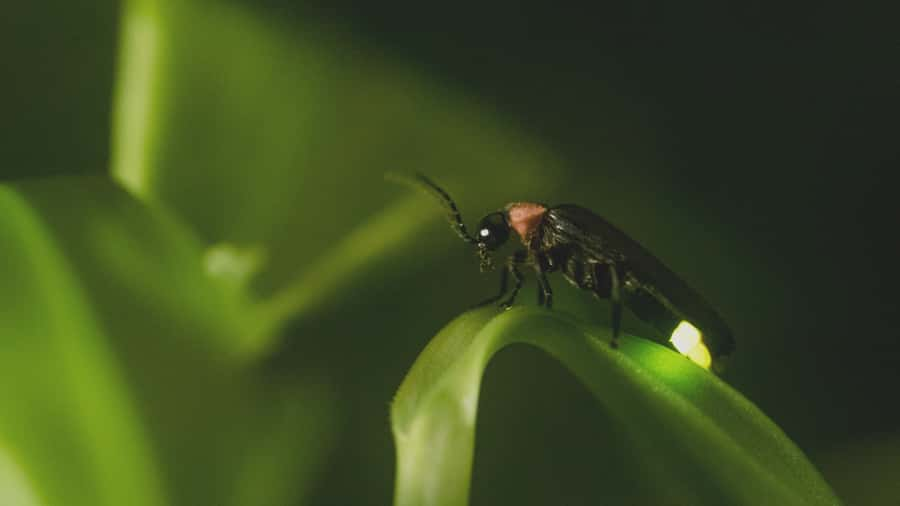
The real magic here comes after dark, when you sit beside Bali’s rice fields listening to frogs, crickets, and geckos while fireflies flicker nearby. Before that quiet finish, you tour an organic farm, share a Balinese meal, and visit a working family compound in Taro Village.
I like the generous mix of food, farming, and local culture, and I especially like the chance to ask questions inside a real family compound rather than only seeing a staged cultural display. The main consideration is that fireflies are wild animals, so numbers vary with weather and season. You may see a brilliant show, or only a few lights.
Key points to know before booking
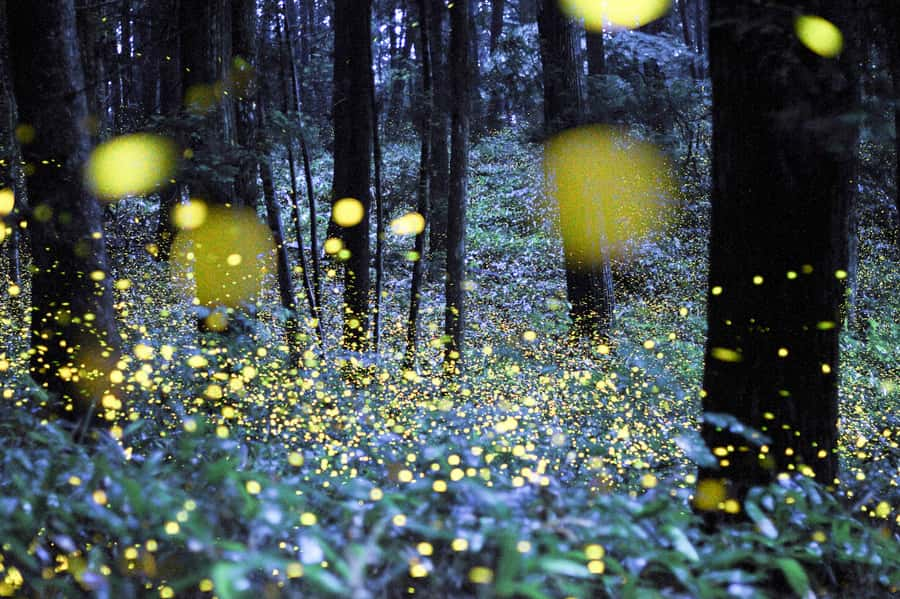
- The fireflies are the finale: Walk into rice paddies after sunset and pause in a small field building to watch the lights.
- Dinner comes from the farm setting: Expect a substantial Balinese meal, dessert, snacks, water, hot drinks, and refreshments.
- Family life is part of the tour: Learn about compound layout, naming customs, family roles, and local traditions.
- Taro Village feels far from Ubud: The evening moves at an easy pace through quieter rural surroundings.
- New moon dates can help: A darker sky may make fireflies easier to see, though sightings are never guaranteed.
- Plan for uneven ground: Wear comfortable shoes, bring a jacket and camera, and use insect protection.
Why this four-hour evening feels different
Many Ubud activities focus on temples, performances, or busy market streets. This one takes you toward the quieter countryside of Taro Village and builds the evening around ordinary Balinese life.
The fireflies are the memorable image, but they are not the whole point. The stronger experience is the way the pieces fit together: you see plants growing on the farm, eat food connected to that setting, visit a local home, and then walk through the paddies at night.
That sequence gives the fireflies a sense of place. You are not simply driven to a viewing spot, shown a few insects, and sent back to town. You first get a practical look at food production and village customs, then meet the night on its own terms.
The tour is priced at $29 per person. For four hours, that includes a local guide, dinner, entrance costs, drinks, a snack, and a bottle of water. I consider that good value, especially since the cultural visit and meal make the tour worthwhile even if the fireflies are sparse.
More firefly evenings around the world:
- Kuala Lumpur: Kuala Selangor Fireflies and Blue Tears Tour
★ 4.5 · 664 reviews - Kuala Lumpur: Fireflies & Blue Tears Tour with Seafood Meal
★ 4.3 · 632 reviews - Bongawan River Cruise: Proboscis Monkey & Fireflies Mangrove
★ 4.8 · 437 reviews
Starting from Pura Dalem Puri Peliatan
The listed starting point is Pura Dalem Puri Peliatan in Ubud. A free shuttle operates from the designated Ubud meeting point, but the exact meeting point can depend on the option you book. Transport to the meeting point is not included, though pickup can be added for an extra fee.
This is the one part that needs care. Arrive at least 10 minutes before the shuttle time and look for the sign marked BALI FARM COOKING on the driver side. One booking party found the pickup area confusing because several vans and activities were operating nearby, so confirm the meeting instructions before you set out.
The drive takes you away from central Ubud and toward Taro Village. Exact driving time is not provided, but the tour itself lasts four hours, including the farm visit, dinner, village stop, firefly walk, and return to Ubud.
Guides may include Wayan, Depi, Made, Deren, Purna, or others from the local team. The strongest part of the guiding is the relaxed question-and-answer style. Guides explain plants, food, household customs, and family structure in plain terms, and several are also involved with transport.
Taman Dukuh Agroforestry: plants first, dinner next
The first main stop is Taman Dukuh Agroforestry, where you spend about 100 minutes on refreshments, a guided farm tour, and dinner.
You begin with a welcome drink before walking through the organic garden and farm. The visit is more useful than a quick list of tropical plants. You may see and learn about ingredients such as vanilla, cacao, papaya, herbs, sugar palm, and other crops grown in the area.
One memorable demonstration described by a family was the way sugar palm liquid is collected using bamboo ladders. Details like this help connect the plants on the farm with the food on your plate and with older ways of making a living from the land.
The pace is gentle. You have time to smell herbs, ask what unfamiliar plants are used for, and look at how food is grown rather than rushing from one display to another. If you enjoy food, gardens, and local farming, this is one of the most rewarding parts of the evening.
Dinner follows in the farm setting. Expect a generous spread of local dishes made with fresh ingredients. Past meals have included traditional foods and black rice pudding with coconut milk and banana. The food has also worked well for plant-based diners, with vegan meals provided when requested or noted at booking.
Spice levels can vary in Bali, but one account found the meal comfortable for someone who preferred food that was not too hot. Still, it is sensible to state dietary needs ahead of time.
The meal is not a small tasting plate. Several accounts describe it as plentiful, homemade, and one of the best meals of their stay. It includes dessert, and the package also lists a snack, bottled water, hot drinks, and refreshments.
A traditional compound and a closer look at Balinese family life
After dinner, you visit a traditional village area for about 30 minutes. The most valuable stop is the family compound connected with your guide.
This is not simply an outside view of a decorative Balinese house. Depending on your guide, you may be welcomed into the compound, meet family members, and see how the living spaces are arranged. Guides explain the place of different buildings, family hierarchy, naming customs, inheritance, religious symbolism, and the way relatives share daily life.
The compound visit gives you context that is difficult to pick up from a temple visit or a short cultural performance. You begin to understand that a Balinese home is also a social and religious space, shaped by family ties and custom.
The welcome is personal, but you should still be a respectful visitor. Follow your guide’s lead, ask before photographing people or private areas, and remember that family members may simply be going about their evening. One reason this stop works so well is that the guides explain the setting while relatives continue with normal household activities.
Guides such as Wayan and Depi have been especially effective at answering detailed questions about family roles and compound design. Made and Deren have also been praised for clear explanations and easy conversation. The exact guide is not guaranteed, but the activity is conducted in English or Indonesian.
For me, this is the strongest cultural section. The farm teaches you how food grows. The compound helps you understand how people organize home and family life.
More night tours around the world:
- Prague: 50-Minute Sightseeing Evening Cruise
★ 4.2 · 33,780 reviews - Amsterdam: Evening Cruise with Optional Wine and Snacks
★ 4.4 · 22,178 reviews - Budapest: By Night Sightseeing Cruise with Welcome Drink
★ 4.3 · 15,533 reviews - Paris: Illuminations River Cruise with Audio Commentary
★ 4.3 · 12,340 reviews
Walking the Subak system toward the fireflies
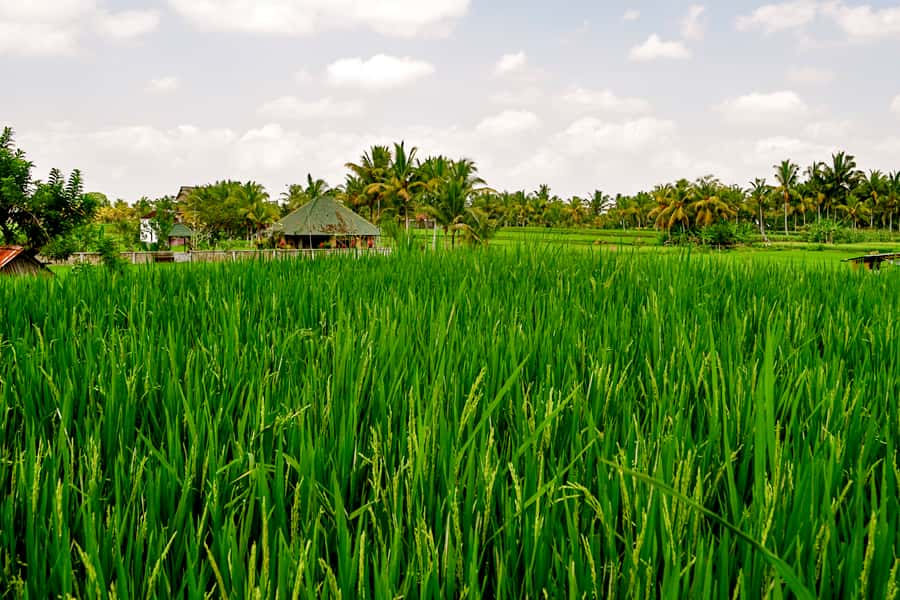
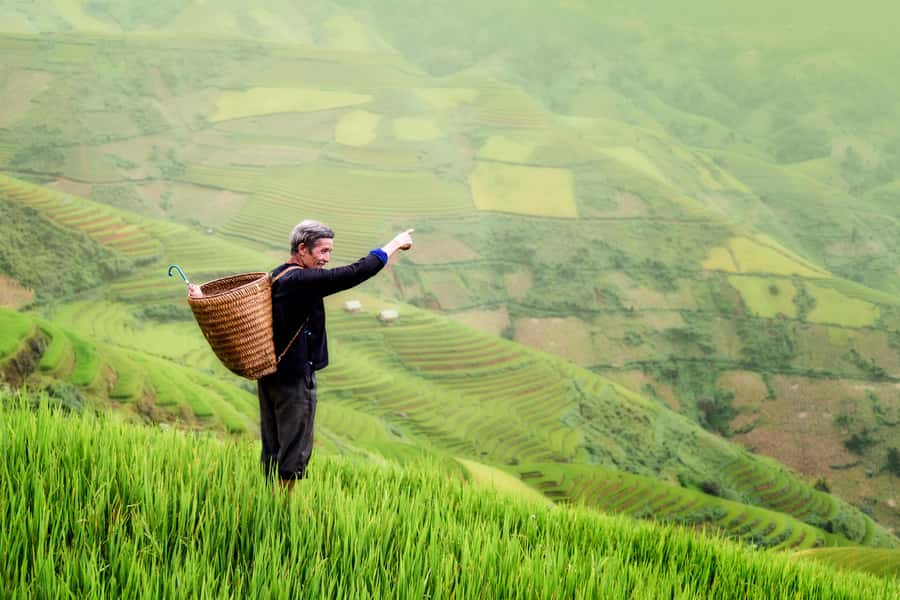
The final section lasts about 1.5 hours and takes you toward the rice paddies and a viewing area. This is more than a short stop beside a field. You learn about the Subak irrigation system, rice cultivation, and the harvest cycle as you walk.
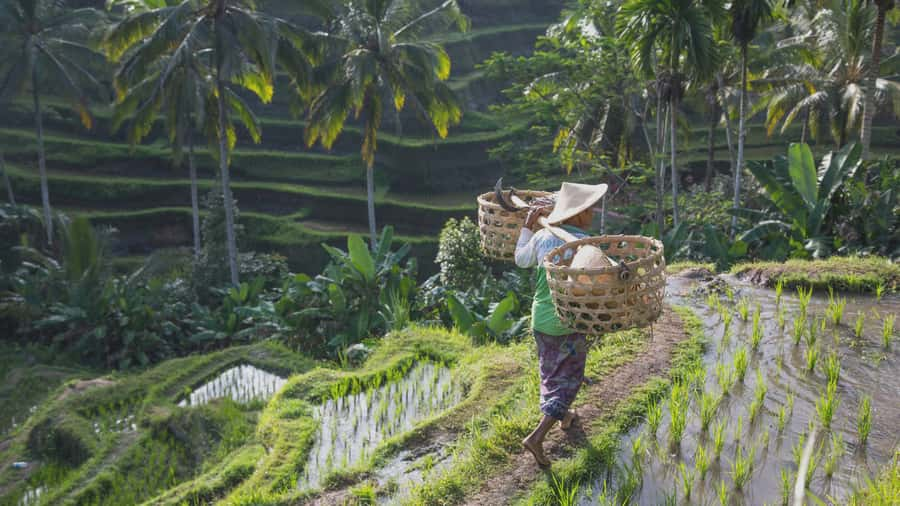
Subak is Bali’s traditional cooperative approach to managing irrigation water for rice fields. The tour connects the canals and paddies with village life, showing how farming depends on shared systems rather than on one field working alone.
The route is taken after dark, so comfortable shoes matter. The information says the tour is not suitable for wheelchair users, and the uneven rural ground is the practical reason to take that warning seriously. Comfortable walking shoes are essential, and a jacket is useful once you stop in the open fields.
At the firefly area, you pause in a small building in the middle of the rice fields. This quiet shelter gives you time to watch the lights and talk about local traditions, culture, and native wildlife.
The sounds are part of the attraction. You may hear frogs, crickets, and geckos in the darkness. Without city noise and bright lights, the night feels unusually still. This is a slow ending, not a staged show with a fixed performance time.
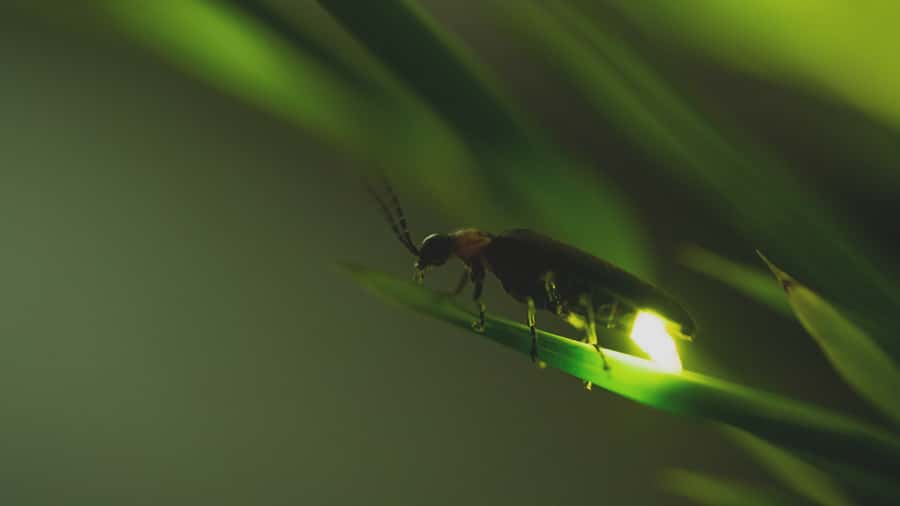
Firefly numbers can change. A visit during a new moon may offer a darker sky and better viewing, but the insects remain dependent on conditions. One evening produced only a small number because of weather, yet the walk and nighttime sounds still made the outing worthwhile.
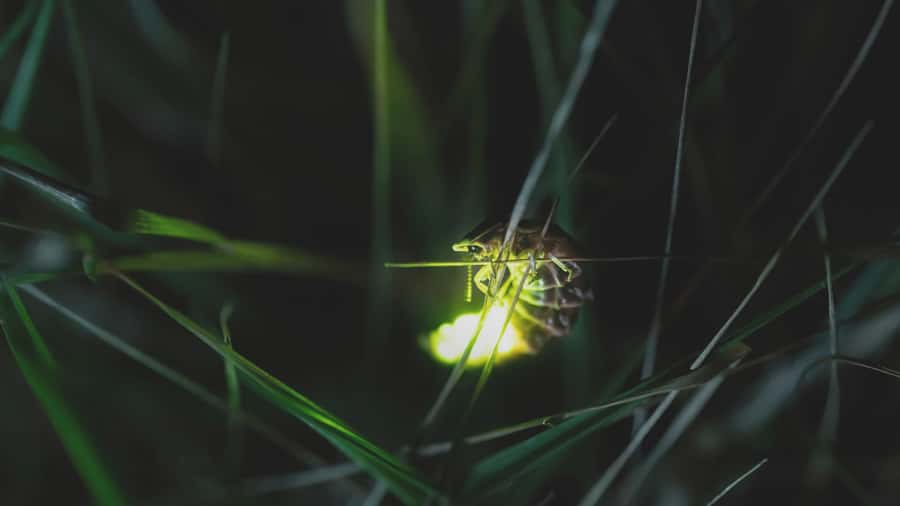
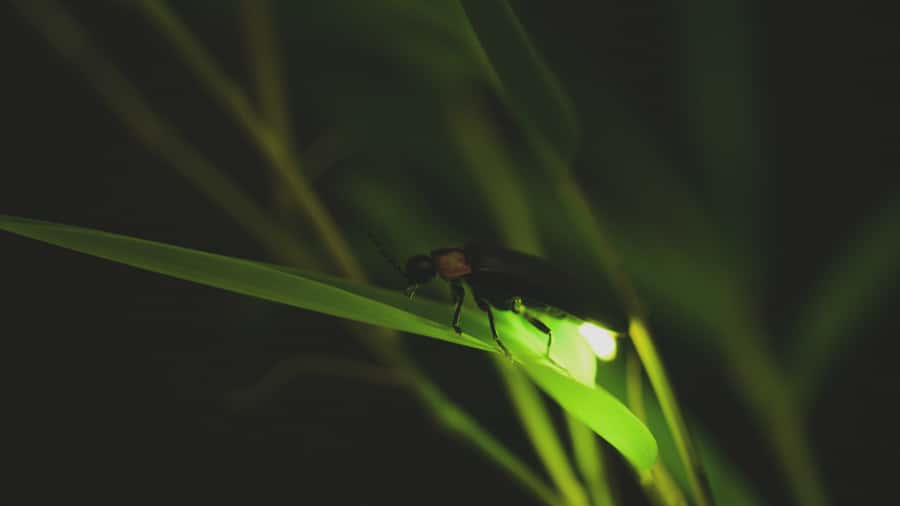
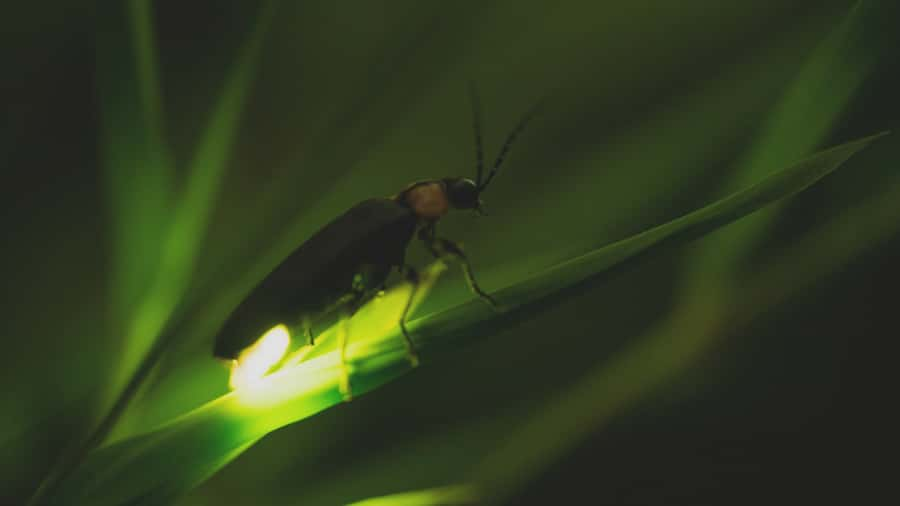
On stronger nights, you may see many fireflies moving above the rice fields. Some guides or local helpers may briefly collect a few in a jar so you can see their glow close up, then release them. Treat this as an occasional part of the evening, not a promise, and avoid using bright phone lights while watching.
Bring a camera if you like, but manage expectations. Fireflies are hard to photograph well, and one of the best suggestions for this tour is to put the phone away for a while. The quiet, the dark fields, and the sounds around you matter more than a perfect picture.
Who will get the most from this tour

I would choose this for anyone who wants more than a standard Ubud sightseeing loop. It suits people interested in Balinese food, farming, family customs, and rural life, with the fireflies as a special extra.
Families can enjoy it too. Children from about four to eight have learned from the farm and enjoyed the fireflies, though parents should be comfortable with walking in the dark and managing children around uneven ground.
It also works well for solo visitors and couples. Small groups can make the family visit feel more natural, and the guides are used to answering plenty of questions.
You should think twice if you have a strong insect allergy, dislike rural night sounds, or need step-free access. The activity is not suitable for people with insect allergies, wheelchair users, or people over 70 according to the booking information. Those limits are worth taking seriously.
What to bring and how to prepare
Wear comfortable shoes with a secure sole. The rice-field walk is short in description but takes place outdoors after dark, and the ground may not be smooth.
Bring a light jacket, camera, and patience. Insect repellent is sensible, and one outing provided mosquito repellent as a thoughtful extra. Some visits have also included knee-high boots for the walk, but you should not depend on that being standard unless the operator confirms it.
Tell the operator about dietary needs before the meal. Vegan diners have been accommodated, and the farm dinner is a central part of the evening rather than a minor refreshment.
Allow the evening to unfold slowly. The value comes from conversation and observation, not from ticking off a long list of attractions. If you need constant activity, this may feel too quiet. If you enjoy learning through ordinary places, the relaxed pace is a strength.
Is the Taro Village firefly tour worth booking?
Yes, if you want a small-scale cultural evening that combines food, farming, family life, and nature. At $29, the included dinner and guiding already make the price fair, and the compound visit adds something you will not get from a typical restaurant meal or village drive.
Book it for the whole evening, not only for the fireflies. The insects may be plentiful or few, and weather can change the result. The farm, meal, family home, Subak explanation, and night sounds keep the outing worthwhile even when nature does not follow a schedule.
I would make this a strong choice for curious adults, families with older young children, and anyone looking for a quieter side of Ubud. Confirm the meeting point, arrive early, wear proper shoes, and bring a willingness to sit in the dark. That is when Taro Village makes its best impression.
FAQ
How long does the Taro Village firefly tour last?
The activity lasts four hours, including the farm visit, dinner, traditional village visit, firefly walk, and return to Ubud.
Where does the tour start?
The listed starting location is Pura Dalem Puri Peliatan in Ubud. The precise meeting point may vary according to the option booked.
Is transport from Ubud included?
A free shuttle is included from the designated meeting point in Ubud. Transport to that meeting point is not included, though an additional pickup option is available.
What food is included?
The tour includes a Balinese dinner, snack, bottle of water, hot drink, and refreshments. The dinner includes local dishes and dessert.
Can vegan visitors join the dinner?
Yes. Vegan diners have been catered for on this experience. Tell the operator about dietary needs when booking.
Will I definitely see many fireflies?
No. Firefly numbers can change with weather and conditions. Some evenings produce many lights, while others have fewer, though the rice fields and nighttime animal sounds remain part of the visit.
What languages are available?
The live tour is offered in English and Indonesian.
What should I bring?
Bring comfortable shoes, a camera, and a jacket. Insect repellent is also practical for the evening walk.
Is the tour suitable for wheelchair users?
No. The activity is not suitable for wheelchair users.
Can people with insect allergies join?
No. The activity is not suitable for people with insect allergies. It is also listed as unsuitable for people over 70 years.
Just added for nights around the world
- Almería: Legends and Mysteries Evening Walking Tour★ 4.4 · 62 reviews
- Alleppey Night Walk (2 Hours Guided Walking Tour)★ 4.8 · 2 reviews
- Alhambra: Nasrid Palaces Guided Night Tour without tickets★ 3.4 · 5 reviews
- All-inclusive Fado Tour: Show & Dinner. Lisbon at Night★ 5.0 · 2 reviews
- Alanya: Night Safari and Boat Trip with Riverside Dinner★ 4.0 · 3 reviews
- Alanya: Sunset Night Safari with Boat Trip with Dinner★ 4.4 · 89 reviews
- Alexandria: Ultimate Dead of Night Walking Ghost Tour★ 4.4 · 11 reviews
- Agrigento: Skip-the-Line Valley of the Temples Night Tour★ 4.8 · 72 reviews
Indonesia Night Tours, compared.
Private Uluwatu Temple and Kecak Fire Dance Evening Tour in Jimbaran Bay
Read our review →
Small-Group Walking and Food Tour by Night in Yogyakarta
Read our review →
Ubud Traditional Night Market Food Tour-All Inclusive
Read our review →
Bali Food Tour: Savor Street Food and Night Market Adventures
Read our review →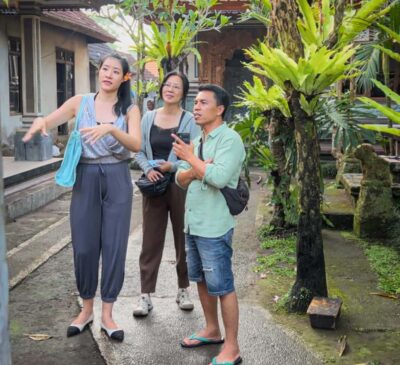

Ubud Day Tour : Waterfall, Temple and Local Night Market Tour
Read our review →Browse the lists this tour appears in