
Review · BIG ISLAND OF HAWAII
Manta Ray Night Snorkel Kona – Coral Reef Snorkel Adventures
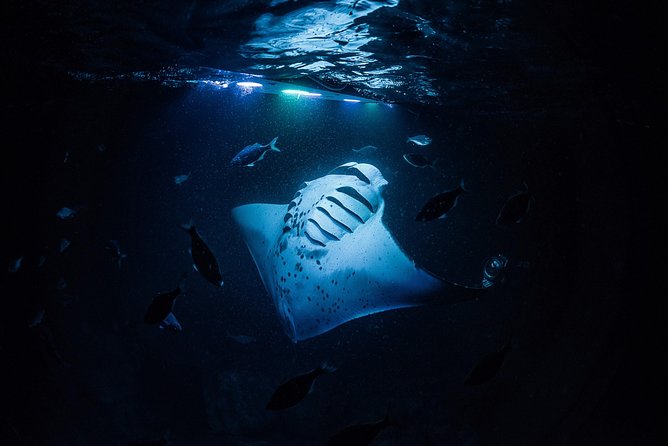
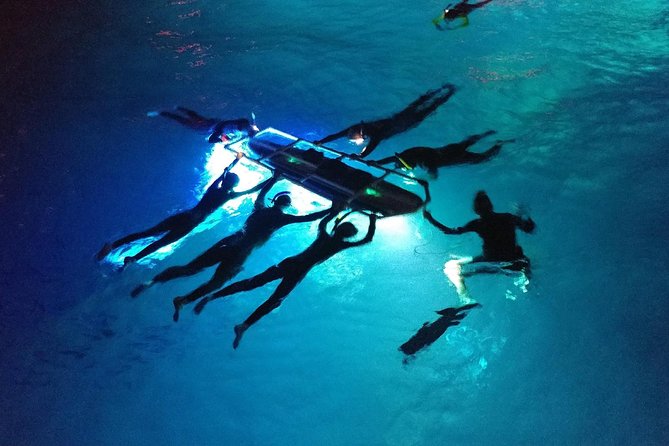
The main event is wonderfully simple: after dark, you hold onto a lightboard while giant manta rays sweep beneath you, sometimes just inches from your face. The plankton drawn to the light brings the mantas close, and the sight of one rolling upside down below the board is hard to beat. I especially like the strong chance of a sighting, reported at more than 90 percent, and the access to guides such as Jacob, Jeff, Cody, and Captain Alexis.
I also like the short overall commitment, about 90 minutes, and the warm personal service that comes with a smaller boat. You get snorkel equipment, a wetsuit, snacks, and drinks, though one important detail needs clearing up: the experience is promoted around groups of six, while the booking information allows up to 12 people. Boat size and group size can vary, so ask before paying if a very small group is essential.
Key points to know before booking
- Mantas feed below a lightboard: The board attracts plankton, giving you a clear viewing point above the rays.
- Sightings are highly likely but never guaranteed: The stated chance is above 90 percent, and a free return option may be offered if no manta appears.
- The ride can be rough: The small boat moves quickly across open water, and the trip back may feel cold and bumpy.
- You must swim independently: You need to swim without a flotation device and have a moderate level of fitness.
- The water portion lasts about 30 to 45 minutes: Holding the board with your arms extended can tire your shoulders.
- The listed maximum is 12 people: Some information describes a six-person small group, so confirm the expected group size.
Why Kona’s night manta snorkel is so memorable
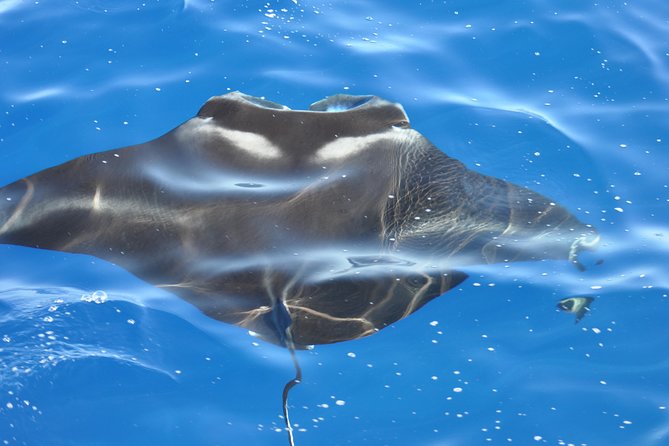
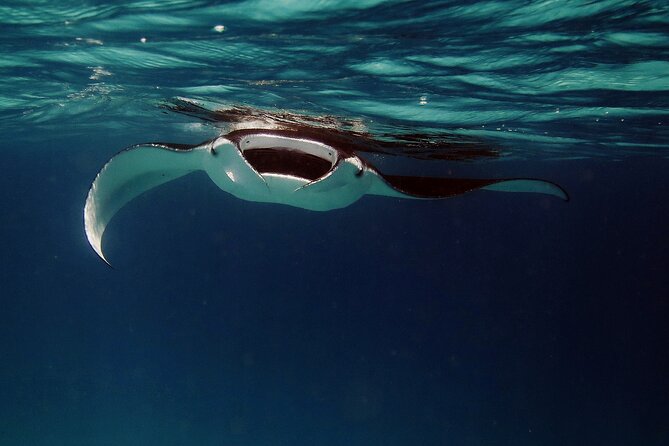
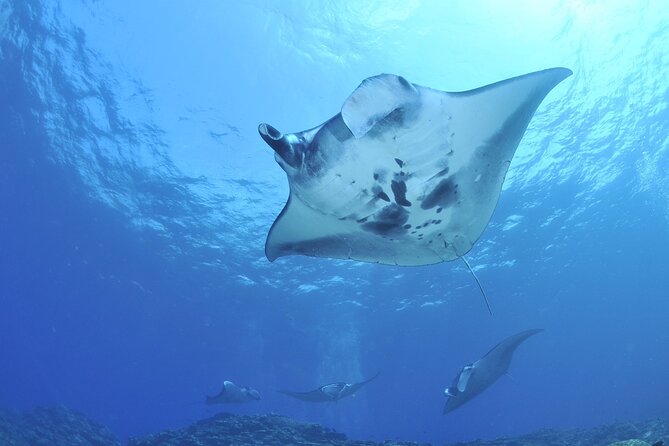
Kona’s manta experience works because you are not simply looking for rays from a boat. You are positioned at the surface while lights draw tiny plankton upward, and the mantas arrive to feed. They glide, turn, and roll beneath the board with astonishing control.
You may see one ray circling the light, or several at once. Sightings described on this trip include two, six, 10, 11, and about a dozen mantas. Numbers vary from night to night, but even one large ray passing close below you can make the whole outing worthwhile.
The encounter takes place in the mantas’ natural habitat. You are not touching or feeding them. Your job is to float calmly, watch, and avoid kicking at the animals. That quiet approach matters. One useful tip is to relax your shoulders and keep your movements small. Excited kicking can push the rays farther away, while loose, still bodies make it easier to watch their feeding patterns.
More night snorkels around Big Island of Hawaii:
- Big Island Manta Ray Night Snorkel
★ 5.0 · 5,656 reviews - Big Island: Kona Manta Ray Snorkel Tour in Keauhou Harbor
★ 4.5 · 2,465 reviews - KONA Manta Ray Night Snorkel – FREE re-ride if no Sightings
★ 5.0 · 2,212 reviews
Meeting at Honokohau Small Boat Harbor
The tour begins at Coral Reef Snorkel Adventures, at 74-425 Kealakehe Parkway in Kailua-Kona. From there, a guide takes you to the boat at Honokohau Small Boat Harbor.
Allow time to get ready before departure. You may put on a wetsuit and receive instructions on the boat, gear, and safe behavior around marine life. Snorkeling equipment is provided. Bring your own towel, since it is not included.
Your shoes and water shoes may need to come off before boarding, and anything you bring generally stays in a dry storage area while you are on the water. Pack lightly. You do not need a full beach bag bobbing around the boat, and you will want your hands free when it is time to enter the water.
This is also the point to tell the crew about any concern that could affect the trip, such as a bad knee, neck problem, or fear of open water. The crew has been praised for helping nervous swimmers and for taking extra care with people who needed more time on the boat ladder.
The fast ride out after sunset
Once everyone is ready, the boat heads into the open ocean. The ride usually takes about 20 to 25 minutes, though conditions can change. A sunset can make the outward trip beautiful, and after dark the stars become part of the show.
The small boat is part of the appeal and part of the tradeoff. With fewer people, you can get direct help from the crew and avoid the feel of a large commercial vessel. The boat also reaches the viewing area without a long loading process.
The downside is motion. Several reports describe a very bumpy, speedy ride, especially when the sea is choppy. A larger boat is not automatically free of seasickness, but if you are sensitive to motion, this is not the place to gamble. Ask about current conditions before you go and speak with a health professional in advance about suitable motion-sickness prevention.
The crew’s safety decisions matter here. Captains may cancel when weather makes the trip unsafe, and open-water conditions are beyond their control. Still, you should know what you are buying: this is not a calm harbor cruise.
Holding the lightboard above the feeding mantas
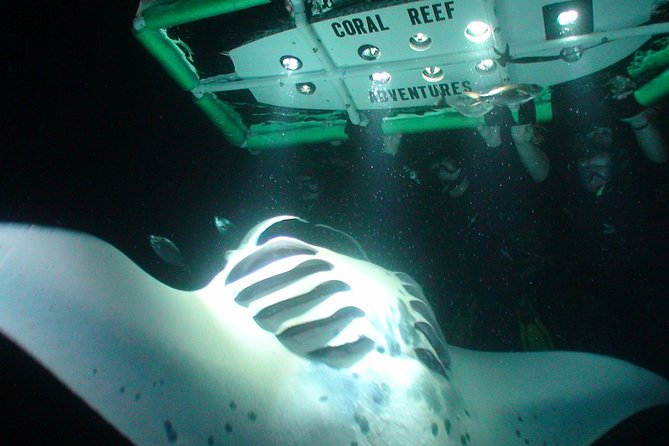
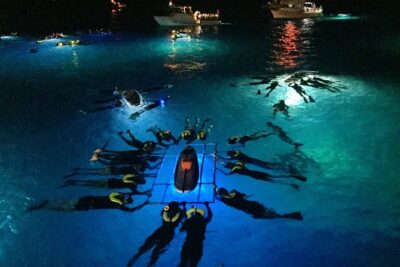
At the viewing site, the crew helps you with your mask and other equipment. You then enter the water and hold onto the bars of a lightboard. The lights attract plankton, and the mantas come up to feed.
The board gives you a stable reference point, but the ocean is still moving. You may be knocked around by small waves or find your feet close to another group. Several boats can use the same general area, so this is not a private ocean scene with no one else nearby.
The water portion often lasts 30 to 45 minutes. That may not sound long, but keeping your arms stretched out in front of you can become tiring. One swimmer described the position as similar to holding a Superman pose, with sore shoulders and arms the next day. The fix is simple: do not over-grip the bars. Relax whenever you can, keep your shoulders loose, and let the board support you.
You can listen to the guide’s explanation of manta behavior, or put your face down and focus on the water. You will have to balance both. If your head is fully underwater, you may miss some of the information. If you keep lifting your head, you might miss a ray gliding below. I would listen carefully at the start, then spend the quieter moments watching.
More night tours around Big Island of Hawaii:
- Manta Ray Night Snorkel at Kona, Big Island
★ 5.0 · 1,758 reviews - Glow of the Deep: Night Snorkeling with Manta Rays
★ 4.5 · 1,254 reviews - Manta Magic: Small-Group Manta Ray Night Snorkel in Kailua Kona
★ 5.0 · 1,141 reviews - Manta Ray Night Snorkel in Kona
★ 5.0 · 777 reviews
What you may see beneath the board
The best moments come when a manta turns onto its back and rises toward the light. Several sightings have involved rays passing within inches of the swimmers, with some brushing close to a person’s torso. The animals are large, graceful, and surprisingly quiet as they move through the water.
You may see several rays feeding at once, each following its own looping path. One person described four mantas spinning below the board together. Others saw around 11 rays feeding on plankton for about 30 minutes. The difference between one ray and a dozen is luck, but the possibility of either keeps the outing exciting.
The darkness adds a strange quality to the experience. You know you are in the open ocean, yet the lightboard creates a small pool of activity directly beneath you. You might also notice fish, bioluminescence, and tiny glowing plankton. It can feel unsettling for the first few minutes, especially if you are not used to entering the sea at night. The crew stays nearby and gives instructions, which helps you settle in.
Do not expect to touch the mantas. The goal is close viewing without disturbing them. If one comes near, stay calm and avoid reaching toward it. That is better for the animal and gives you a clearer look.
The guides make a real difference
The crew has earned especially strong praise for its patience and explanations. Jacob is repeatedly singled out for his clear information and reassuring manner. Jeff, Cody, Erika, Dustin, Danny, Captain Alexis, Captain Louie, and other crew members are also named in positive accounts.
That personal contact matters more here than it would on a simple boat ride. Some people arrive anxious about swimming at night, climbing a ladder, or sharing the water with large animals. A calm guide can make the difference between freezing at the boat and enjoying the experience.
The crew also helps with masks, wetsuits, board positions, and getting back aboard. If you have a knee problem, do not assume the ladder will be easy. Tell the staff ahead of time. One person with a serious knee issue appreciated being allowed extra time to climb back into the boat, but you still need enough mobility to manage the entry and exit.
The ride back can be cold and tiring
After the water session, you climb back aboard and head to the harbor. The return trip can be just as bumpy as the ride out, and you may feel colder after leaving the water.
A wetsuit helps, but it may not keep everyone warm. Thin swimmers in particular may want to plan for the chill. Your towel becomes useful immediately, so keep it easy to reach. Snacks and non-alcoholic drinks are included, though the timing has not always been consistent. Some people received drinks after the outing, and one account described them as warm and served in the parking area.
Think of the snacks as a welcome extra, not the reason to book. The manta encounter is the value. If you are hungry after swimming, eat beforehand and bring only what the crew allows.
Is the $125 price good value?
At $125 per person, this is not a casual add-on. You are paying for the boat, equipment, wetsuit use, crew, and a guided night encounter with wild manta rays. The stated sighting rate of more than 90 percent makes the price easier to accept, though no wildlife experience can promise a particular number of animals.
The small-boat format can also justify the cost. You get more direct help than on a large boat, and the crew can keep the process moving. That said, do not pay a premium assuming the group will definitely contain only six people. The supplied details conflict: the highlights describe a maximum of six, while the additional information says the activity can hold up to 12. One departure reportedly carried 13, which is especially important if crowd size is a major part of your decision.
If no manta is seen, the company may offer a return trip at no charge. This is useful protection, but it only helps if you have another evening available. Book early in your Big Island stay rather than on your final night. The experience is often reserved about 46 days ahead, so popular dates can disappear. Booking early also leaves room to try again if weather, sea conditions, or wildlife do not cooperate.
Who should choose this experience?
I would recommend it to confident swimmers, families with older children, couples, and anyone who wants a close wildlife encounter rather than a passive boat tour. The experience has worked well for children, including a 10-year-old who needed reassurance, and teenagers who enjoyed watching the rays roll below the board.
You should be comfortable swimming without a flotation device. A moderate fitness level is required, and you need enough upper-body strength to hold the board and enough mobility to use the boat ladder. The tour is not recommended for people with neck problems.
This is a poor match if you get seasick easily, dislike rough rides, or want a quiet, dry evening. It is also not ideal if you need a guaranteed six-person group. Ask the operator to confirm the expected head count before booking.
Booking and cancellation details
Confirmation is provided when you book, and the activity ends back at the starting point. You can cancel for a full refund up to 24 hours before the start time. Changes or cancellations inside that 24-hour window are not accepted for a refund.
The trip depends on suitable weather and a minimum number of participants. If the operator cancels for either reason, you can choose another date or experience, or receive a full refund.
Should you book the Kona manta night snorkel?
Yes, if seeing wild manta rays is high on your Big Island list. The chance to watch these animals feed inches below you is rare and memorable, and the crew’s patient help adds real value. The guides, especially Jacob and the wider team, appear to be a major strength.
Book earlier in your stay, leave room for a second attempt, and prepare for a bumpy ride, cold air, and tired shoulders. Confirm whether your departure is expected to hold six or up to 12 people. If you can swim confidently and accept those conditions, $125 is a fair price for one of Kona’s most distinctive nighttime experiences.
FAQ
How long does the manta ray night snorkel last?
The experience lasts about 1 hour and 30 minutes. The boat ride to the viewing area may take about 20 to 25 minutes, and the water session commonly lasts around 30 to 45 minutes.
Where does the tour begin and end?
You meet Coral Reef Snorkel Adventures at 74-425 Kealakehe Parkway in Kailua-Kona, near Honokohau Small Boat Harbor. The activity ends back at the meeting point.
Is snorkeling equipment included?
Yes. Snorkeling equipment is provided. You need to bring your own towel.
Do I need to know how to swim?
Yes. You must be able to swim without the assistance of a flotation device. A moderate level of physical fitness is also required.
How many people are on the boat?
The additional booking information lists a maximum of 12 people. The tour highlights describe a maximum of six, so confirm the expected group size before booking if a very small group matters to you.
What happens if no manta rays appear?
Sightings are reported at more than 90 percent, but wildlife encounters are not guaranteed. If no manta is seen, the company may offer an opportunity to return at no charge. Booking earlier in your stay gives you more time to use that option.
Just added for nights around Big Island of Hawaii
- Kona Manta Ray Night Snorkel Adventure! Small Group★ 5.0 · 364 reviews
- Manta Ray Night Snorkel Tour in Kailua-Kona, Big Island★ 5.0 · 382 reviews
- Manta Ray Night Snorkel Experience of a Lifetime★ 4.5 · 505 reviews
- Manta Ray Night Snorkel from Kona — Small Group★ 4.5 · 657 reviews
- Manta Ray Snorkeling by Night in Kailua-Kona, Hawaii★ 5.0 · 672 reviews
- Big Island: Manta Ray Night Snorkeling Adventure in Kailua-Kona★ 5.0 · 593 reviews
- Manta Ray Night Snorkel in Kona★ 5.0 · 777 reviews
- Manta Magic: Small-Group Manta Ray Night Snorkel in Kailua Kona★ 5.0 · 1,141 reviews
Big Island of Hawaii Night Tours, compared.
KONA Manta Ray Night Snorkel – FREE re-ride if no Sightings
Read our review →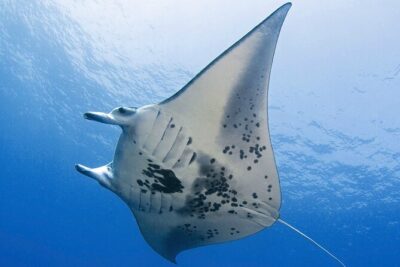
Glow of the Deep: Night Snorkeling with Manta Rays
Read our review →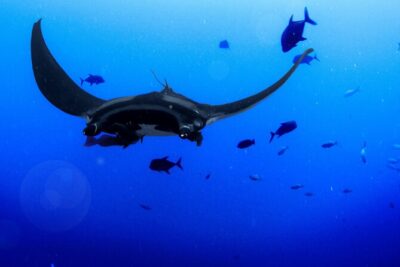
Manta Magic: Small-Group Manta Ray Night Snorkel in Kailua Kona
Read our review →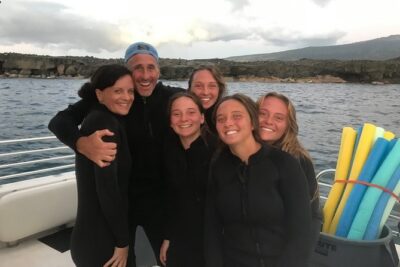
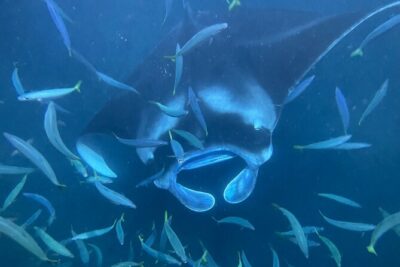
Manta Ray Snorkeling by Night in Kailua-Kona, Hawaii
Read our review →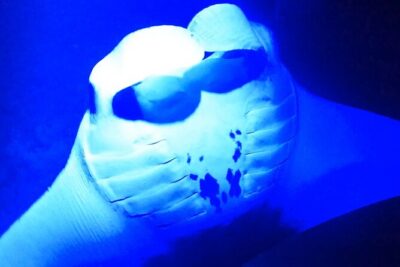
Big Island: Manta Ray Night Snorkeling Adventure in Kailua-Kona
Read our review →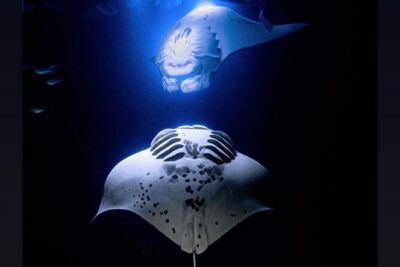
Manta Ray Night Snorkel Experience of a Lifetime
Read our review →Browse the lists this tour appears in