
Review · USA
Kailua-Kona: Manta Ray Watching Nighttime Boat Trip
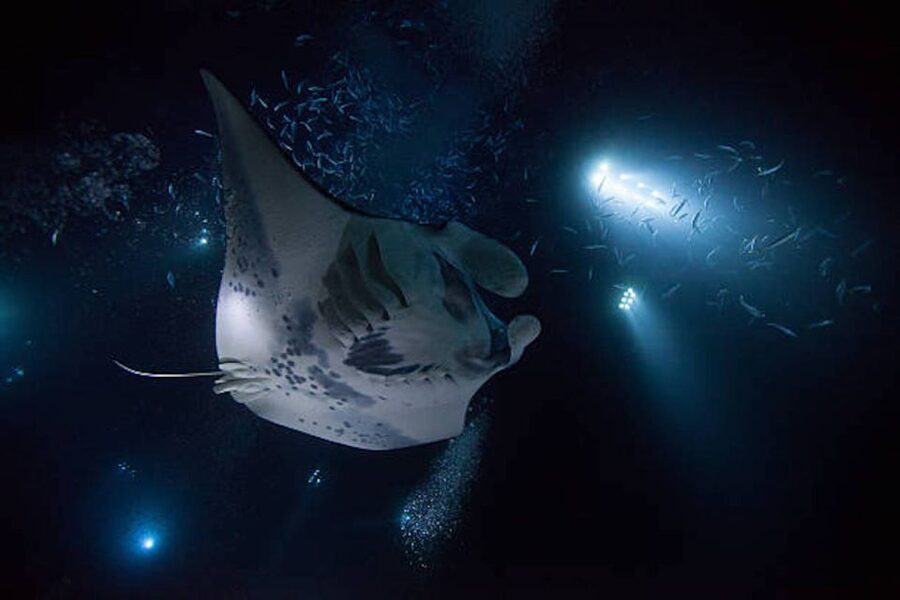
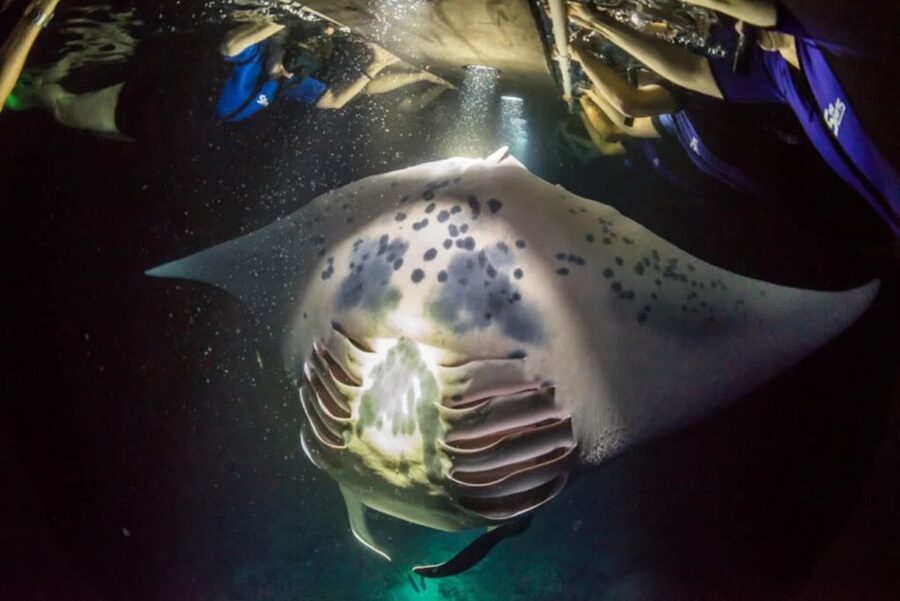
The main event is wonderfully strange: under the black Kona sky, powerful lights shine into the ocean while manta rays loop and glide beneath you. I like the close, respectful viewing and the crew’s patient help, especially for first-time snorkelers. I also like the short two-hour format, which fits neatly into an evening.
You can stay aboard, but the boat-only option offers a much weaker view of the rays. The real value is in the snorkeling choice, and the boat ride can feel chilly or choppy, so bring warm clothes and a towel.
Key points to know before you book
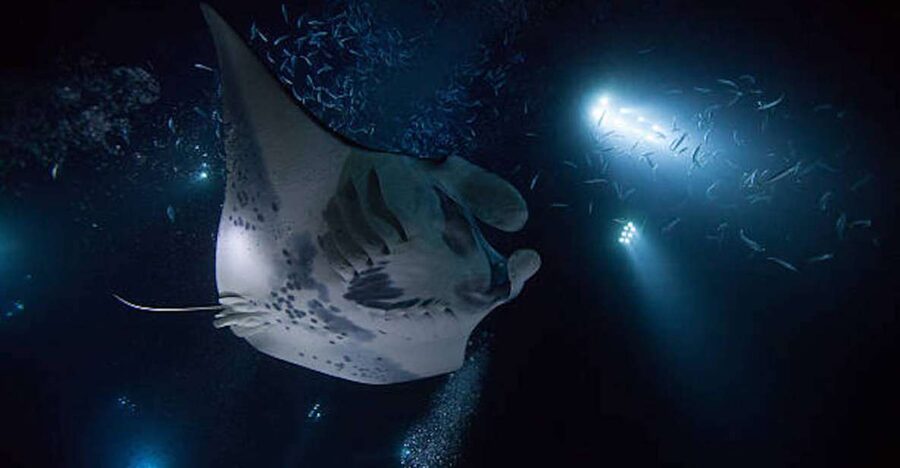
- Manta rays may pass within inches of you: You watch from the surface as they circle through the light.
- The snorkeling option is the main attraction: The boat ride alone may not provide a clear view of the animals.
- The crew is especially good with nervous beginners: Guides including Kelley, Bryce, Koa, Elayo, and others have helped people feel safe in dark water.
- The trip leaves from Honokohau Harbor: It is about 4.5 miles south of Kona Airport and 3.5 miles north of Kailua-Kona.
- Bring warmth for the ride home: A wetsuit top helps in the water, but the boat can feel cold afterward.
- The price is $75 per person for two hours: With equipment, snacks, instruction, and life jackets included, that is strong value if you snorkel.
Why Kona’s nighttime manta encounter feels so unusual
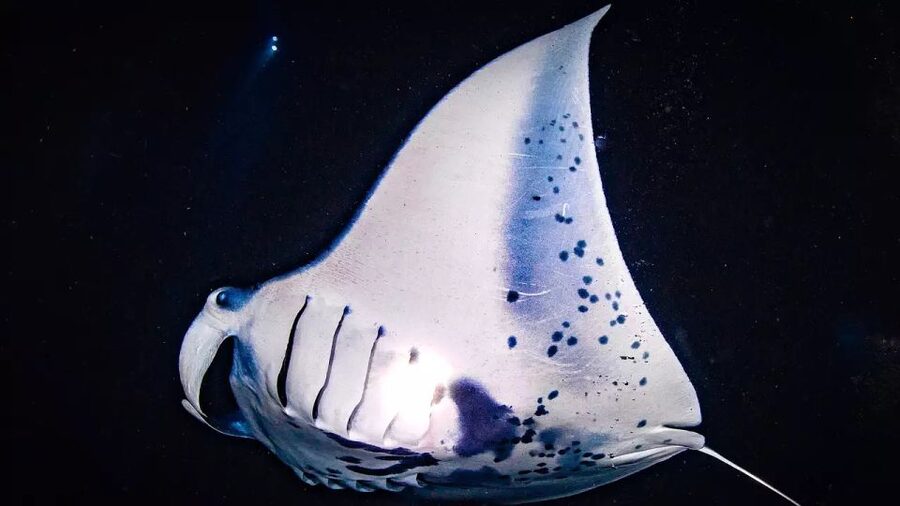
Kona’s manta experience is not a standard wildlife cruise. You are not simply looking over the side of a boat and hoping for a fin. The boat travels to a viewing site, where lights attract small sea creatures. The manta rays then arrive to feed, sweeping through the illuminated water with their wide wings and open mouths.
From the surface, the animals move in broad circles and spirals. Their size can be startling at first, especially when one rises directly beneath you. You may see a ray glide within inches of your face, though you should keep your hands to yourself and let the animals control the distance.
That close approach is what makes the outing special. Manta rays are not there for a performance, and their movements are not forced. You watch them use the lighted water as a feeding area, which gives the encounter a calm, natural quality even when the first sighting brings a jolt of excitement.
The setting adds to the mood. You leave the harbor after dark, with Kona’s shore lights behind you and open ocean around you. On a clear night, sitting on the upper part of the boat can give you views of the stars and moon, though it can also be windy. Hold on and keep a warm layer nearby.
More Night Cruises in the USA
- San Francisco City Lights Cruise (2-hours)
★ 4.5 · 1,879 reviews - Miami Sunset and City Lights Cocktail Cruise
★ 4.5 · 1,052 reviews - Chicago by Night River and Lake Cruise
★ 4.6 · 791 reviews
From Honokohau Harbor to the viewing site
The meeting point is at Honokohau Harbor, reached from the main highway. After turning into the harbor, take the second right and find the crew member in front of the restrooms. This detail matters because the harbor has several boats, and the meeting instructions can feel vague if you arrive without checking the confirmation message.
I would allow extra time to find the correct boat. The harbor location is easy enough to reach, but the exact pier or vessel may not be obvious. Call 12 hours before the trip to confirm your booking, the meeting point, and which boat you should use. If you park in the wrong area, the crew can help, but it is better to sort this out before the departure rush.
Once aboard, the crew provides a short orientation. You receive a life jacket, snorkel equipment, and a wetsuit top if you choose the water option. Light snacks are included, which is useful because the trip runs at night and many people arrive after dinner or between evening plans.
The boat ride is short and usually smooth, though wind and sea conditions can make it choppy. If you are prone to motion sickness, consider your usual precautions. The boat itself has been described as comfortable by some people and a little rugged by others, so expect a practical working boat rather than a luxury yacht.
Two ways to experience the manta rays
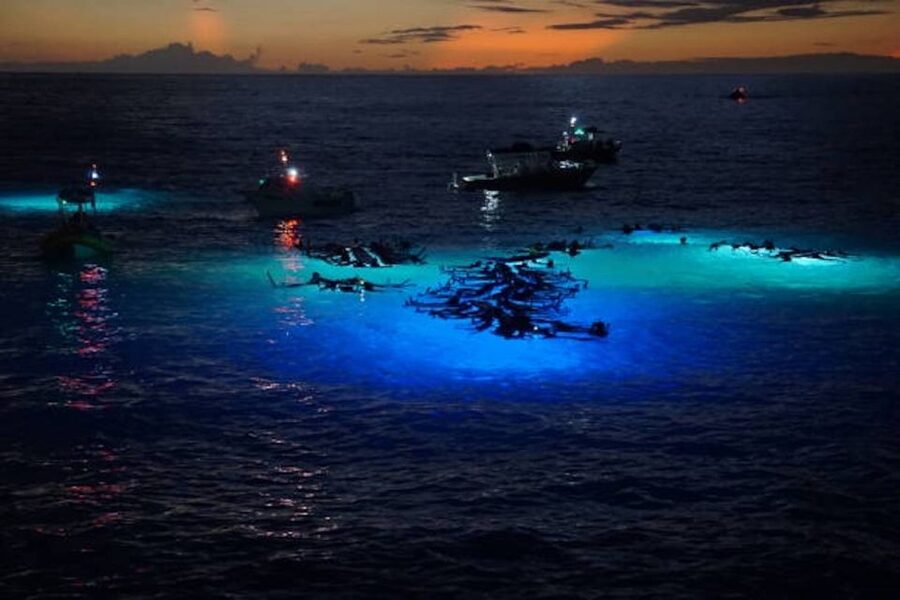
You can select a boat-only trip or the snorkeling option. This is the most important booking decision.
The boat-only choice suits you if you do not swim, do not want to enter the ocean at night, or simply prefer to stay dry. You can listen to the guide, watch for marine life, and enjoy the boat ride. Still, you should keep your expectations modest. The best views happen from the water, and the rays may not be easy to see from the deck.
If you are physically able to snorkel, I would choose that option. You put on the wetsuit top, enter the water, and hold onto the floating viewing area while the guides position the group above the lights. The crew stays nearby and explains what is happening. You are not sent out alone into the darkness.
This is not a technical activity, but it does require you to be comfortable in the water. The experience is not suitable for non-swimmers or children under five. Novice swimmers have received patient help, and several crew members have stayed close to people who felt uneasy, but you still need enough swimming ability to take part safely.
The water can seem intimidating at first. The darkness removes the usual visual reference points, and your arms may feel tired by the end of a long viewing session. Once the rays appear, though, the fear often gives way to concentration. You find yourself watching the movement below rather than thinking about the darkness around you.
What the crew adds to the night
The people running this trip are a major part of its appeal. Names appearing in recent outings include Kelley or Kelly, Bryce, Koa, Elayo, Ilio, Chase, Connor, Mana, and Diesel. Crew assignments can change, so you should not book based on one particular name, but the pattern is clear: the staff combine safety instruction with humor and an easygoing manner.
That tone helps. A serious safety briefing is necessary, but a stiff or hurried presentation would make a nighttime ocean activity harder for nervous people. The crew explains how to use the mask and snorkel, where to hold on, and how to behave around the rays. They also share facts about why manta rays come to Kona’s warm waters and how they feed.
The guides have been especially helpful with first-time snorkelers. They can keep an eye on people who need extra reassurance and encourage the group without making anyone feel foolish. One solo participant felt comfortable throughout the outing, while families with children and teenagers found the crew attentive and relaxed.
You should still listen carefully. The rays may swim close, but you should not touch or chase them. The best encounter comes from staying calm and allowing the animals to pass beneath the lights on their own terms.
More night snorkels around the USA:
- Big Island Manta Ray Night Snorkel
★ 5.0 · 5,656 reviews - Big Island: Kona Manta Ray Snorkel Tour in Keauhou Harbor
★ 4.5 · 2,465 reviews - KONA Manta Ray Night Snorkel – FREE re-ride if no Sightings
★ 5.0 · 2,212 reviews - Manta Ray Night Snorkel at Kona, Big Island
★ 5.0 · 1,758 reviews
The underwater show beneath the lights
The viewing begins when the lights illuminate the water. Small marine life gathers in the bright zone, and the manta rays move in to feed. You may see one ray at a time or several animals crossing beneath the group. Sightings have ranged from a couple of rays to more than ten, so no wildlife outing can promise the same show every night.
When a manta turns upward, its broad body can fill your view. It may roll slightly, sweep its fins, and continue its circle without touching anyone. The effect has been compared to an underwater ballet, and that description fits the slow, graceful motion better than any fast-action comparison.
The rays can come surprisingly close. You might see one pass just below your face or brush near the group, but do not count on physical contact. The point is to observe them, not handle them.
The amount of time in the water depends on conditions and the group. One outing kept people in the water for about an hour, while another group stayed around 40 minutes. You can expect the water portion to be the heart of the two-hour schedule, but the exact length can change with sea conditions, animal activity, and how efficiently everyone enters and exits.
Keep your camera waterproof. Underwater photos can be difficult in the dark, but a waterproof camera lets you try without risking your phone. Do not spend the whole encounter staring at a screen. The rays move close enough that the memory itself is likely to matter more than a perfect photograph.
Other marine life and the ride home
Manta rays are the reason to book, but Kona’s water can offer extra surprises. Dolphins have joined the viewing area, and a monk seal has appeared on one outing. Turtles have also been seen near the marina while boats head out.
These sightings are bonuses, not promises. If you want a guaranteed wildlife checklist, this is the wrong kind of trip. If you enjoy watching for whatever appears around the main attraction, keep your eyes open during the harbor departure and return.
The ride back is where you will notice the temperature most. After time in the water, even with a wetsuit top, the wind can feel sharp. Bring a towel, a sweatshirt, and a dry layer. This is one of those small preparations that can change the final impression from comfortable to miserable.
The upper deck can be a good place to watch the moon and stars, but it is windy and you need to hold on. If you are cold or tired, stay lower and focus on getting dry. The crew provides light snacks, but the trip is not a full meal, so plan dinner separately.
Is $75 a fair price?
At $75 per person, this is a strong-value ocean activity if you choose snorkeling. The price includes the boat trip, an English-speaking guide or instructor, snorkel gear, a wetsuit top, life jackets, and light snacks. You are paying for equipment, boat transport to the viewing area, safety support, and access to one of Kona’s most unusual nighttime wildlife experiences.
The price is harder to justify for a boat-only passenger. You may enjoy the scenery, the facts, and the nighttime atmosphere, but the manta rays are much harder to see from the deck. If you are uncertain about swimming, ask about the exact options before booking rather than assuming the boat ride gives the same view.
The two-hour duration also helps the value. You do not lose an entire day to the activity, and the evening timing leaves daylight available for other Big Island plans. The reserve-now, pay-later option and free cancellation up to 24 hours before departure add flexibility, provided your plans remain within those terms.
The main cost is not financial. It is comfort. You need to manage dark water, possible chop, wind, and a wetsuit that may be worn or less than pristine. One person found a wetsuit tattered and unpleasant, so do not expect resort-spa equipment. The practical gear does its job, but this is an active harbor outing.
Who will enjoy this most
I would recommend the snorkeling version to confident swimmers, first-time snorkelers willing to accept patient instruction, couples looking for a memorable evening, solo people who want a guided activity, and families with children old enough to follow directions. Teenagers in particular may enjoy the mix of excitement, marine life, and nighttime adventure.
It can also work well for people who are nervous about the ocean. Several guides have helped hesitant swimmers feel secure, and the group remains supported near the viewing area. Still, nervousness is different from being unable to swim. Non-swimmers should choose another activity.
The boat-only option is best for people who want the scenery and marine-life talk without entering the water. Just understand that you are choosing a quieter, less immersive version of the experience, and the manta sightings may be limited.
I would skip it if you dislike being cold, strongly dislike boats, or need a guaranteed wildlife sighting. I would also avoid scheduling it immediately before an early-morning tour, since the activity takes place at night and may leave you tired.
Simple preparation for a better evening
Pack these items:
- Swimwear
- A towel
- Warm clothing for the return ride
- A waterproof camera
- Any personal motion-sickness medication you normally use
Call 12 hours ahead to confirm the booking and boat location. Check the directions carefully, and remember that the crew meets near the restrooms after the second right inside Honokohau Harbor.
Arrive ready to listen. The safety instructions are not filler, especially when you are entering dark water around boats and wildlife. Stay with the group, follow the crew’s directions, and keep your hands off the manta rays.
I would also eat beforehand or plan food after the activity. The included snacks are welcome, but they are light and should not replace dinner.
Should you book the Kona manta ray night trip?
Yes, if you can swim and are willing to snorkel. The combination of close manta encounters, patient crew support, a short schedule, and a $75 price makes this one of the better-value evening activities on the Big Island.
Book the boat-only option only if staying dry matters more to you than seeing the rays clearly. If you choose the water experience, bring warmth, expect a working boat rather than luxury, and let the guides help you settle in. The moment a manta rises through the light beneath your face is the reason to make the effort.
FAQ
How long is the manta ray boat trip?
The activity lasts two hours, including the boat ride, instruction, manta ray viewing, and return to Kona.
How much does the experience cost?
The listed price is $75 per person.
Does the tour include snorkeling equipment?
Yes. The snorkeling option includes snorkel gear, a wetsuit top, and a life jacket. Light snacks and guide instruction are also included.
Can I stay on the boat instead of snorkeling?
Yes. You can choose a boat-only option, but the clearest manta ray views come from entering the water.
Where do I meet the boat?
Meet the crew at Honokohau Harbor, about 4.5 miles south of Kona Airport and 3.5 miles north of Kailua-Kona town. After turning into the harbor from the main highway, take the second right and meet in front of the restrooms.
Is the activity suitable for children and non-swimmers?
Children under five and non-swimmers should not take part. The crew can assist novice swimmers, but you need enough swimming ability to participate in the snorkeling option.
Just added for nights around the USA
- San Francisco: Alcatraz Night Tour with SF Bay Cruise★ 4.5 · 102 reviews
- San Francisco Double Decker Bus Night Tour★ 4.3 · 95 reviews
- Private Night-Time Monuments Tour of DC for up to 10 Guests★ 5.0 · 326 reviews
- 3-4 Hour Private DC City Moonlight Tour by Van★ 4.5 · 142 reviews
- New York City: Guided Private Glass-Top Bus Tour at Night★ 4.4 · 185 reviews
- Public or Private DC Moonlight Tour by E-Cart or Vintage Car★ 5.0 · 97 reviews
- San Francisco: Alcatraz Jailhouse Night Tour★ 4.2 · 136 reviews
- Philadelphia’s Haunted History & Ghost Nighttime 1.5 Hour Tour★ 4.5 · 84 reviews
USA Night Tours, compared.
DC Memorials Night Tour: Glass-Roof Convertible Upgrade Option
Read our review →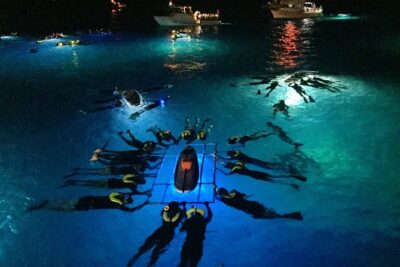

National Mall Monuments Night Tour with 10+ Stops, Entry Tickets
Read our review →
Washington DC Monuments by Moonlight Tour by Trolley
Read our review →
Big Bus Las Vegas: Sightseeing Night Tour by Open-Top Bus
Read our review →
Ghosts of Charleston Night-Time Walking Tour with Unitarian Church Graveyard
Read our review →
New York Night Tour: Open Top Bus Tour by TopView®
Read our review →Browse the lists this tour appears in