
Review · AUSTRALIA
Cairns: Night Walk in Cairns Botanic Gardens
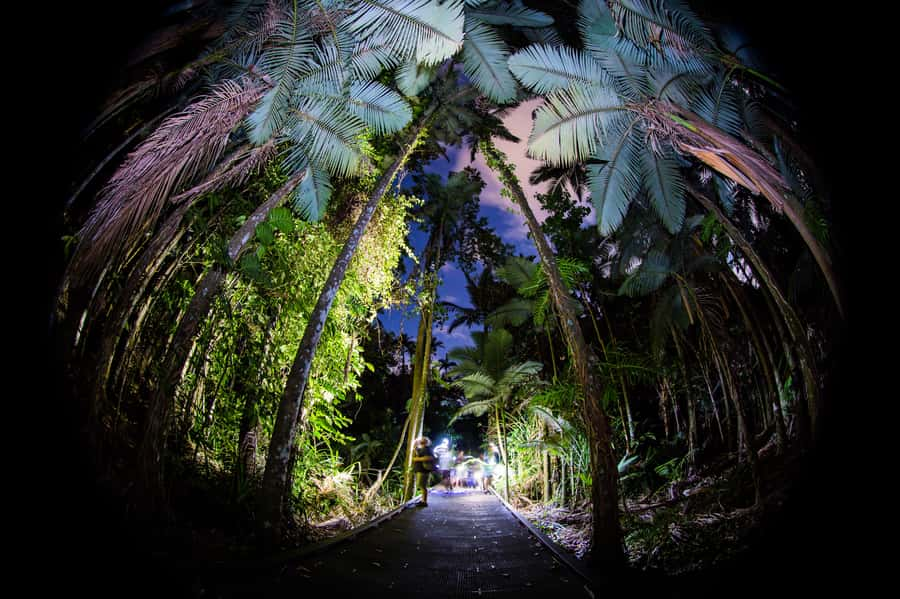
The best part of this Cairns Botanic Gardens night walk is how quickly the familiar garden changes after sunset. A short stretch of rainforest boardwalk becomes a search for frog eyes, spider webs, stick insects and movement in the leaves. Bridgette and Ros know where to look, down to the host plants and branches where tiny creatures settle for the night.
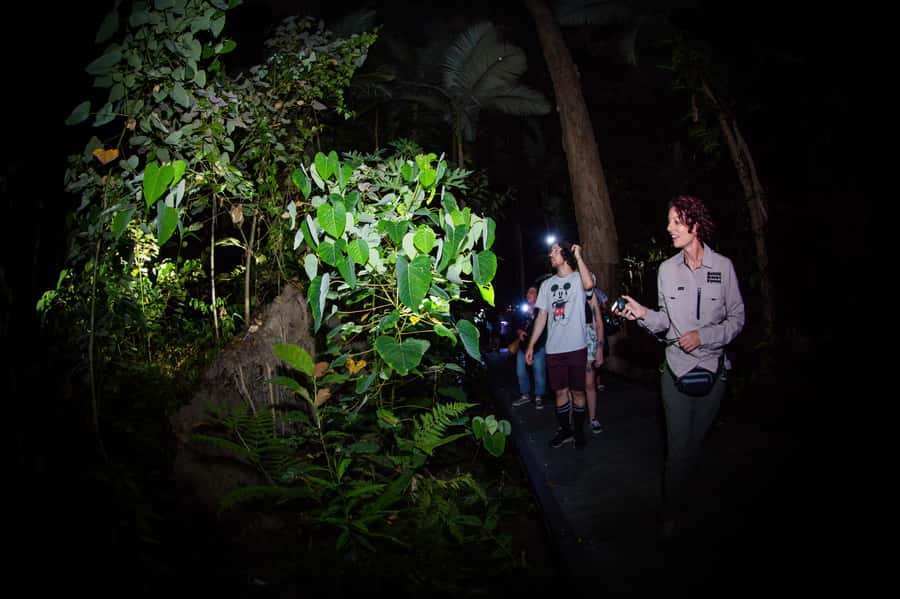
I like two things here. First, the group is limited to eight, so you get a real chance to stop, look and ask questions. Second, this is not just a walk with a torch. You learn how the night ecosystem works, from frog calls and cicadas to hunting spiders and animals that stay hidden during the day.
The main consideration is that the experience is strongly shaped by wildlife and conditions. You may see an extraordinary range of creatures, but no guide can promise every frog, possum or Papuan Frogmouth on the list. Bring insect repellent, since mosquitoes and midges can be fierce, and expect a nature walk rather than a fast-moving sightseeing tour.
Key points to know before booking
- Night changes the gardens completely: Rainforest sounds, eyeshine and movement replace the easy visibility of a daytime visit.
- Small groups make a difference: With no more than eight participants, you can spend time examining small animals and asking about what you find.
- Bridgette and Ros are the key draw: Both guides are praised for sharp spotting skills, local knowledge and patient explanations.
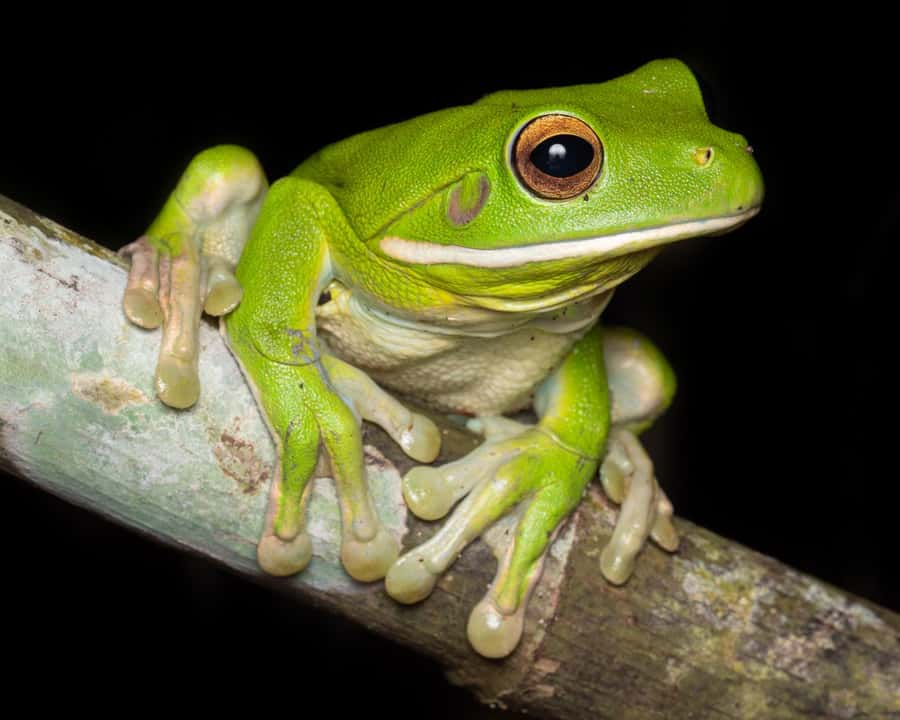
- Frogs and spiders are common targets: White-lipped Tree Frogs, Northern Stony Creek Frogs, Net-casting Spiders, orb-weavers and Huntsman spiders may appear.
- Photography is part of the experience: You can use a phone, bring your own camera or reserve beginner, intermediate or advanced camera hire.
- Pack for the tropics at night: Head torches are supplied, but insect repellent is especially important.
Why a two-hour night walk feels so different
Cairns is easy to fill with daytime outings, yet the rainforest has a second life after dark. This walk gives you a close look at that quieter, less obvious side of the Cairns Botanic Gardens without requiring a long trip out of town.
The route begins at the main entrance on Collins Avenue. You meet near the covered entrance, where there are seats and a Telstra public phone box. After a short safety briefing, your guide sets off on a route chosen for the season and the conditions.
That seasonal approach matters. No single trail section is always best for wildlife. A plant hosting frogs one month may offer little on another night, while a particular patch of vegetation may suddenly produce moths, spiders or insects. The guide’s job is not simply to lead you from one fixed stop to another, but to read the garden as it is that evening.
You will walk slowly. The aim is to notice what would normally pass unseen: a pale frog tucked against a leaf, a web stretched between plants, or the faint shine of an animal’s eyes in the beam of a torch. The phrase a million eyeshines captures the mood, though actual sightings vary. The darkness makes every reflection feel like a small discovery.
The two-hour length is well judged for this kind of outing. It gives you time to search without turning the evening into a tiring expedition. You return to the same entrance at the end, so there is no complicated transfer or long ride back to town.
More Night Walking Tours in Australia:
- Melbourne: Guided Night-Time Food Walking Tour
★ 4.7 · 76 reviews - Cape Tribulation: Daintree Rainforest Night Walk Tour
★ 4.7 · 48 reviews - Byron Bay: Nighttime Nature Walk with Night Vision Goggles
★ 4.9 · 7 reviews
Finding frogs on the rainforest boardwalk
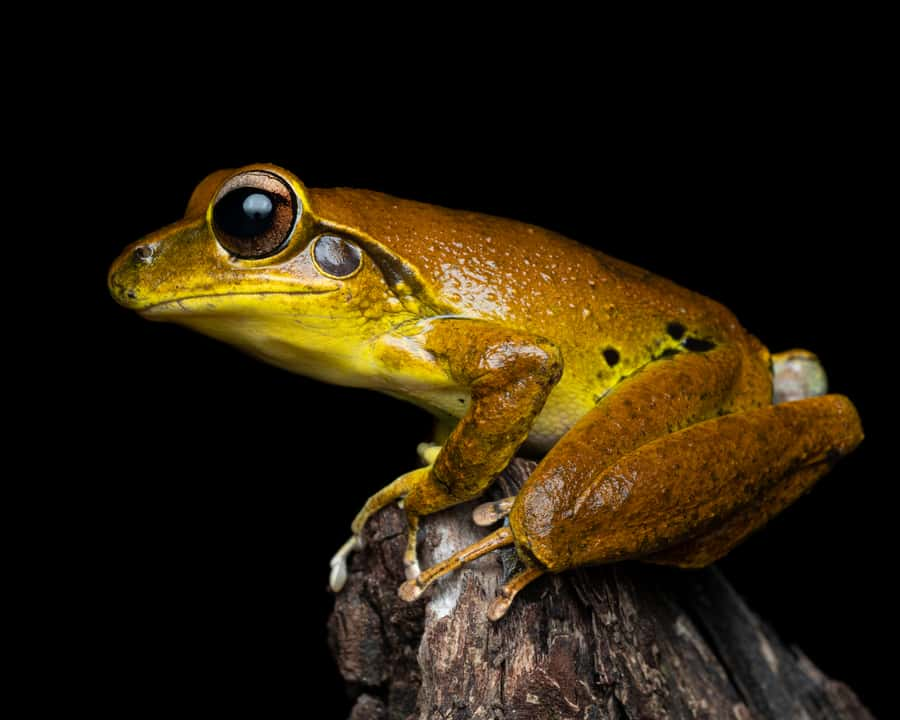
Frogs are among the main attractions, and the walk gives you a chance to see several species in their natural surroundings. White-lipped Tree Frogs and Northern Stony Creek Frogs are specifically sought, while other green tree frogs and amphibians may appear depending on the night.
The search is slower than a standard walking tour. Your guide may pause at a plant, scan the leaves and listen for calls before pointing out an animal that you would probably miss. One guide, Ros, has been praised for spotting frogs from a surprising distance, a useful skill when the creature is small, still and well camouflaged.
The soundscape is part of the experience. Frog croaks mix with cricket chirps and cicada buzzes as the garden becomes more active. You are not simply looking at animals under artificial light. You are using your ears as much as your eyes, learning to connect a call with the wet vegetation and darkness around you.
You should keep your expectations flexible. Frogs are regularly sought, but weather, season and animal behavior affect what appears. A damp night may bring plenty of activity, while a less favorable evening can shift attention toward insects, spiders or plants.
Spiders, insects and the small world above your head
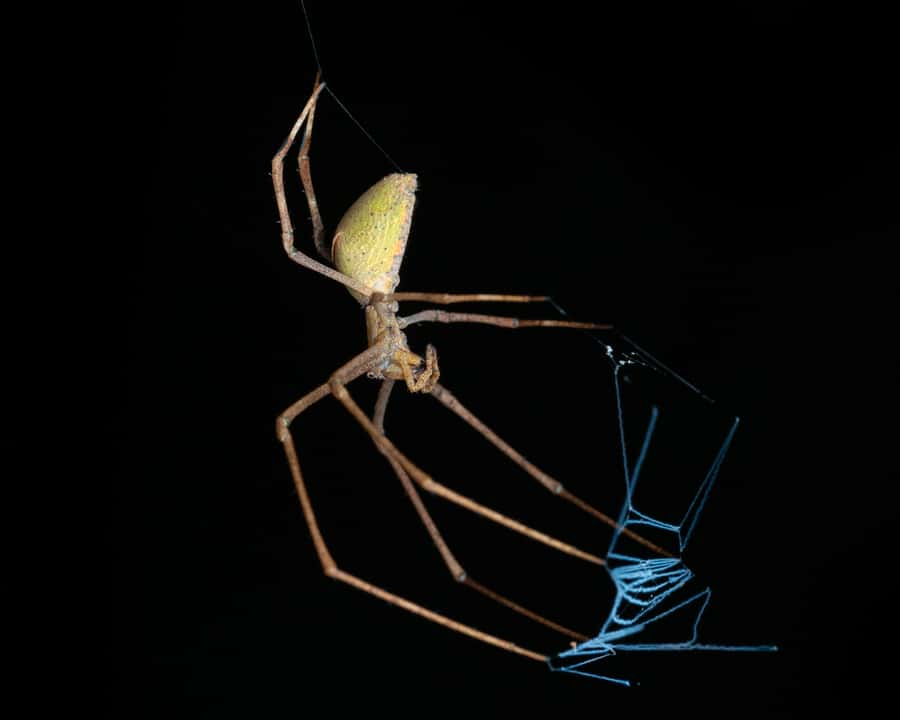
If you are comfortable around spiders and insects, this tour can be especially rewarding. The guides focus on creatures that many people walk past in daylight, including Net-casting Spiders, Garden Orb-weavers and Huntsman spiders.
Each type offers something different to watch. A web may be easier to see when it catches the light, while a Huntsman can be found resting on a trunk or hiding among leaves. Net-casting Spiders are particularly interesting because their hunting method is unlike the familiar fixed web. You do not need to be an expert to appreciate the difference, and the small-group format lets the guide explain what you are seeing before moving on.
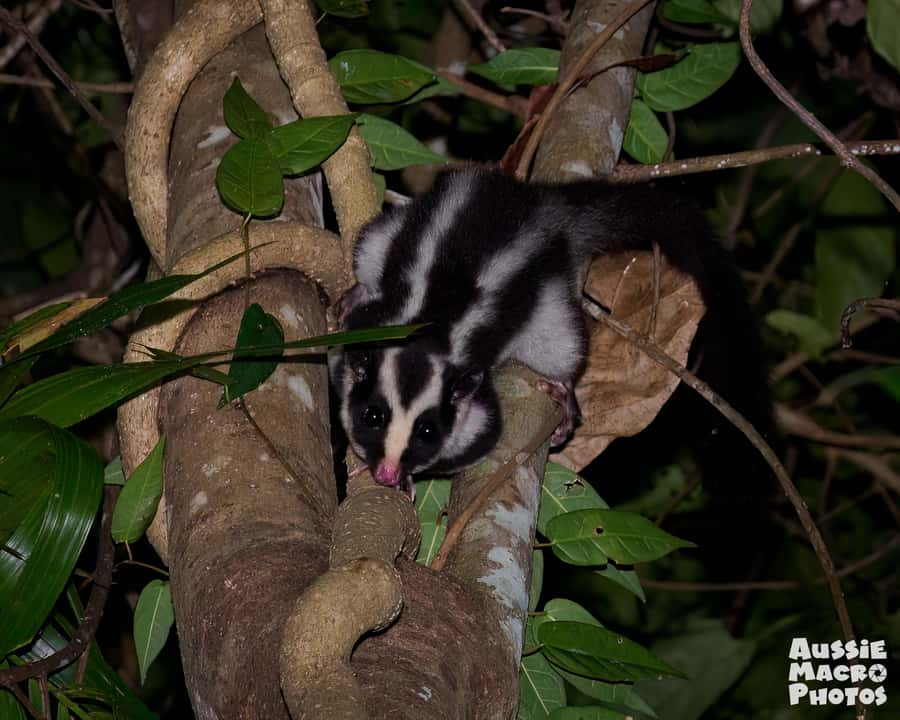
Insects add variety. Stick Insects, beetles and moths may appear among the host plants, along with geckos and other tiny night-active animals. The tour also looks for rare or less commonly seen creatures, including Striped Possums and Speckled Flying Foxes, though sightings are never guaranteed.
This is a good outing for anyone who enjoys close observation. You might spend several minutes on one small section of vegetation, waiting for your eyes to adjust and examining a creature through a phone or camera. If you prefer a constant stream of major sights, the pace may feel slow.
A chance to see larger nocturnal animals
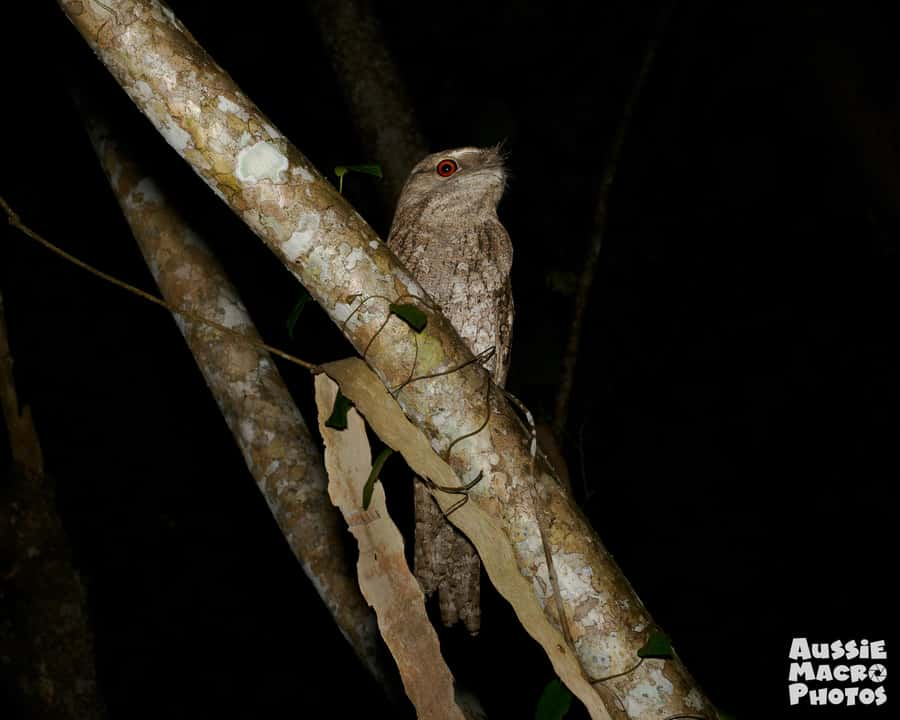
The tour is not limited to bugs. The wildlife list includes Papuan Frogmouths, Striped Possums, Speckled Flying Foxes, snakes and even carpet pythons. One especially broad outing produced an echidna, several frog species and at least 11 types of spiders, but that should be treated as an unusually strong night rather than a promise.
The possibility of larger animals gives the walk a useful sense of suspense. You may be studying a moth one minute and then looking into the trees for a bird or mammal the next. Your guide will help direct the group’s attention, which is important because nocturnal wildlife can be difficult to locate without a practiced eye.
Snakes are part of the possible sightings, including references to eel snakes and carpet pythons. The supplied head torches and initial safety briefing help you move with care, but this remains a forest walk after dark. Follow the guide’s instructions, stay with the group and do not reach toward wildlife.
If snakes or spiders make you uneasy, consider your comfort level before booking. One useful feature is that the focus is on learning and observing, not handling animals. You can appreciate the night ecology without needing to touch anything.
More night tours around Australia:
- Gold Coast: Evening Rainforest and Glow Worm Experience
★ 4.7 · 558 reviews - Byron Bay: Glowworms, Waterfalls & Rainforest Experience
★ 4.8 · 497 reviews - Atherton Tablelands Rain Forest by Night from Cairns
★ 5.0 · 418 reviews - Brisbane: Sunset City Lights Cruise 5.30pm or 6pm *seasonal
★ 4.7 · 387 reviews
Photography, from an iPhone to a hired macro camera
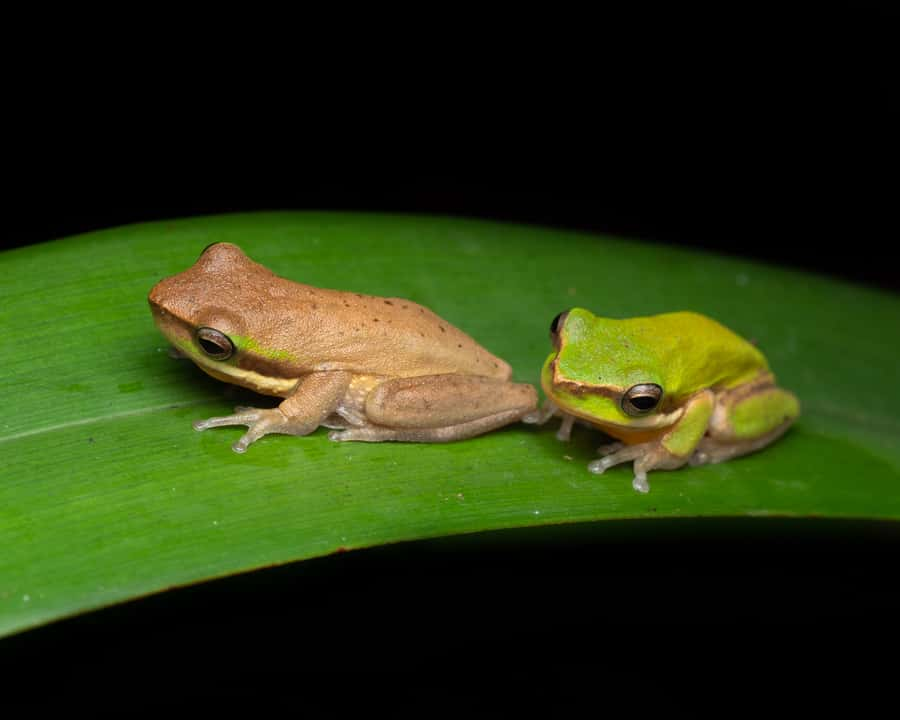
Photography is woven into the walk, but you do not need a professional camera to take part. Several people have used iPhones successfully, especially when the guide points out a subject and helps position the light.
For stronger close-up images, you can reserve camera hire after booking. Beginner, intermediate and advanced options are available, and some participants have found the hired equipment worthwhile for macro shots. The guide can also offer practical advice on photographing small insects, frogs and fungi.
I would decide based on your goal. If you mainly want memories of what you saw, your phone should be enough. If you care about sharp close-ups and want to learn basic night or macro photography, hiring a camera may add real value.
The tour also works well if your companions have different interests. Dedicated photographers can spend time composing images, while others can focus on identification and natural history. The guide’s job is to keep the group moving at a reasonable pace without turning the walk into a photography class.
Remember that camera hire is not included in the $56 price. Food and drinks are also not included, and there is no hotel pickup or drop-off. You meet at the gardens and make your own way there.
What the $56 price buys you
At $56 per person, the cost is reasonable if you value expert wildlife spotting and a small group. You are paying for two hours with a guide who can locate animals that you would probably miss on your own, plus the use of a head torch and a route adjusted to the season.
The price is less compelling if you only want a casual evening stroll through the gardens. Much of the value comes from the guide’s eyes and experience. Bridgette is particularly noted for spotting tiny creatures and explaining local arachnids and insects, while Ros has been praised for patient guiding and strong frog-spotting skills.
The experience also offers something that is not easy to arrange independently: a focused look at the gardens after dark. You could walk near the gardens on your own, but you would not necessarily know which plants to inspect or how to identify the animals you find.
Camera hire adds to the cost, so set a budget before booking. For a nature lover, photographer or anyone curious about rainforest ecology, the base price offers a good use of two hours. For families or visitors who prefer larger wildlife and guaranteed sightings, it may be a less certain investment.
Who will enjoy this Cairns activity most
This walk suits adults, older children allowed by the booking conditions, photographers, amateur naturalists and anyone who likes unusual evening activities. You do not need prior knowledge. Curiosity and patience matter more than specialist skills.
It is also a good choice for people who have already seen Cairns by day and want a different angle on the area. The walk stays within the Botanic Gardens, yet the darkness makes the setting feel far less familiar.
You may want to skip it if you dislike insects, spiders or the possibility of snakes. The route is designed around nocturnal creatures, so these are not rare side details. Mosquitoes and midges can also be a serious nuisance, making insect repellent one of the most useful things you can bring.
The tour is not suitable for children under eight according to the supplied booking restrictions. The group size is capped at eight people, which keeps the experience personal but also means spaces can be limited.
Practical details for the evening
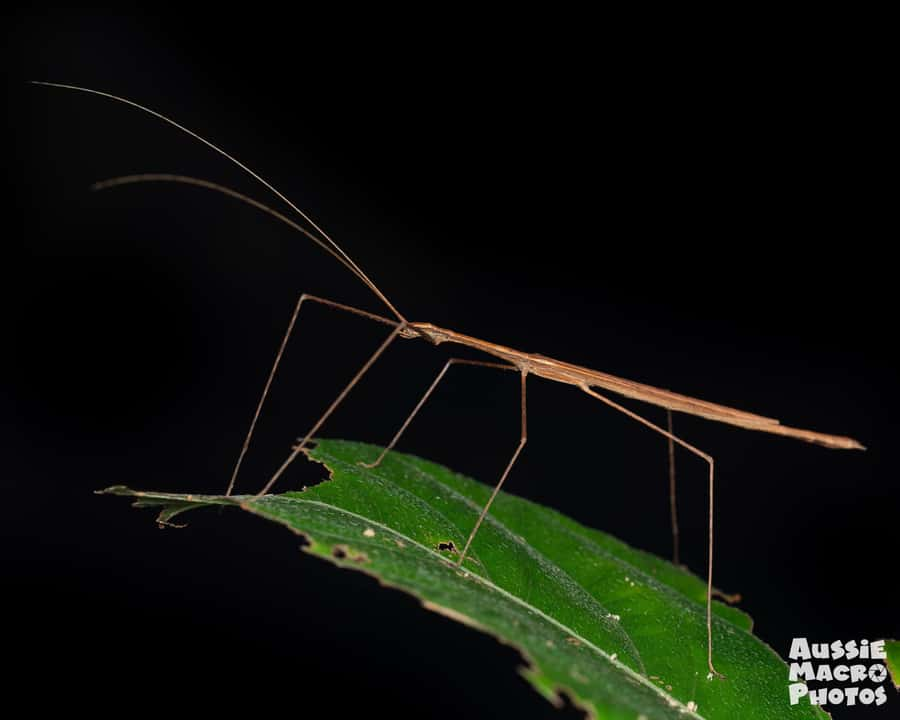
Meet at the main entrance of the Cairns Botanic Gardens on Collins Avenue. Look for the covered entrance and seats outside. The Telstra public phone box is next to the entrance, and free parking is available on Collins Avenue near McCormack Street.
The walk lasts two hours and is conducted in English. Head torches are included, so you do not need to bring your own light. A stronger personal torch may still be useful, since one person specifically recommended bringing one, but follow the guide’s direction so you do not shine light directly at wildlife or other participants.
Wear clothing suited to a tropical evening and bring insect repellent. Food and drinks are not supplied, so plan around the tour time. Since there is no hotel transfer, allow enough time to reach Collins Avenue before the safety briefing.
The activity offers free cancellation up to 24 hours before the start, and you can reserve now and pay later. Check the available start times when booking, since the exact time is not fixed in the supplied information.
Should you book this night walk?
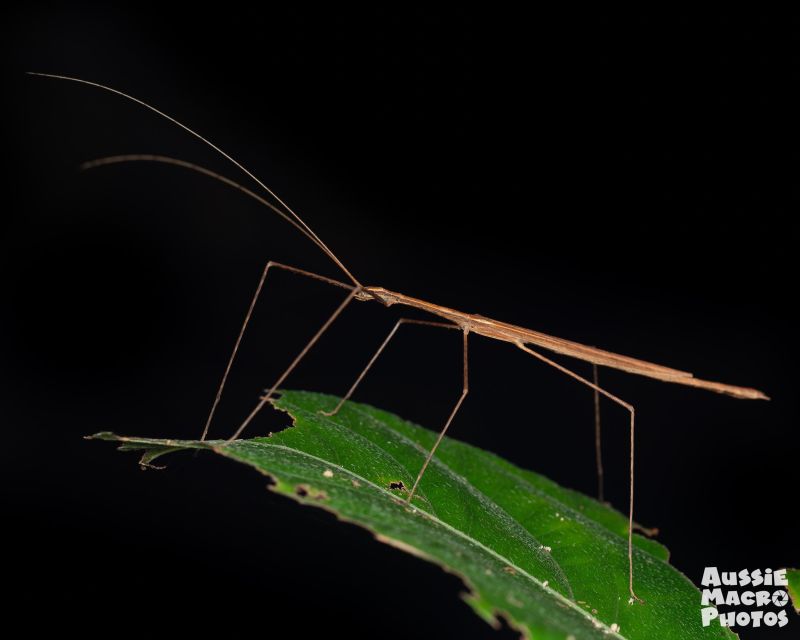
Book it if you want to slow down, look closely and see the living details that most people miss. Bridgette and Ros bring strong spotting skills, clear explanations and a friendly approach, while the small group keeps the walk personal.
The best reason to go is not one guaranteed animal. It is the chance to see how much is active around you after dark: frogs calling, spiders hunting, insects moving through plants and eyes reflecting from the blackness. Bring repellent, accept that nature sets the schedule and you will get the most from the evening.
I would choose this over a standard garden visit if you enjoy wildlife, photography or unusual local activities. I would choose something else if you want a fast-paced tour, shelter from insects or guaranteed sightings of large animals.
FAQ
Where does the night walk meet?
Meet at the main entrance of the Cairns Botanic Gardens on Collins Avenue. There are seats outside a covered entrance, and a Telstra public phone box is next to it.
How long does the experience last?
The guided walk lasts two hours and returns to the Cairns Botanic Gardens entrance.
What animals might I see?
Possible sightings include White-lipped Tree Frogs, Northern Stony Creek Frogs, green tree frogs, Net-casting Spiders, Garden Orb-weavers, Huntsman spiders, Stick Insects, beetles, moths, geckos, snakes, Papuan Frogmouths, Striped Possums and Speckled Flying Foxes.
Are head torches provided?
Yes. Head torches are included in the guided nature walk.
Can I hire a camera?
Yes. Beginner, intermediate and advanced camera options are available. You need to contact the provider after booking to reserve one, and camera hire is not included in the tour price.
Is the activity suitable for young children?
The supplied booking information says the activity is not suitable for children under eight. It is a small-group walk conducted in English.
Just added for nights around Australia
- Perth: Swan River and Beaches of Perth Sunset Picnic Dinner★ 4.6 · 13 reviews
- Perth: City of Lights Tour with Dessert★ 4.9 · 14 reviews
- Perth: Gravity Discovery Centre Nighttime Experience Ticket★ 4.1 · 22 reviews
- Melbourne: Guided Night-Time Food Walking Tour★ 4.7 · 76 reviews
- Busselton: Nocturnal Animal Tour★ 4.9 · 50 reviews
- Hahndorf After Dark Walking Tour with meal included★ 4.9 · 5 reviews
- Guided Evening Glow Worm Experience – Byron Bay★ 4.8 · 9 reviews
- Gold Coast: Natural Bridge Glow Worm Night Tour★ 4.6 · 37 reviews
Australia Night Tours, compared.
Gold Coast: Evening Rainforest and Glow Worm Experience
Read our review →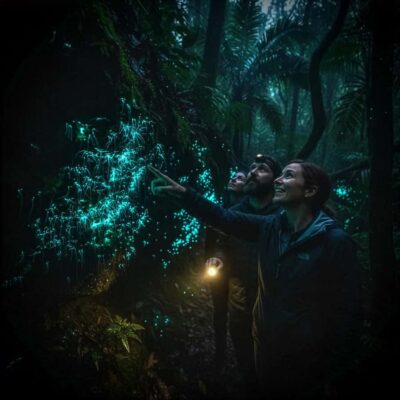
Byron Bay: Glowworms, Waterfalls & Rainforest Experience
Read our review →
Atherton Tablelands Rain Forest by Night from Cairns
Read our review →
Brisbane: Sunset City Lights Cruise 5.30pm or 6pm *seasonal
Read our review →
Brisbane: Rainforests, Waterfalls and Glow Worm Cave Tour
Read our review →
Springbrook andTamborine Rainforest Tour Incl Natural Bridge and Glow Worm Cave
Read our review →
Brisbane: Daytime Glow Worm Caves Hop-on Hop-off Bus Tour
Read our review →
Brisbane: Springbrook and Mt Tamborine Glow Worm and Skywalk
Read our review →Browse the lists this tour appears in