
Review · FLORENCE
Academia Gallery: Statue of David Evening Tour
Florence’s Accademia Gallery is at its best late in the day, when the crowds begin to thin and Michelangelo’s David gets the attention it deserves. This 90-minute tour combines skip-the-line entry with a guided look at the museum’s other rooms, so you get more than a quick statue photo.
I like two things here: the evening timing and the guides’ storytelling. Guides such as Lucia, Marco, Francesca, Lucy, and Angela have been praised for making the art clear and lively, even for children and first-time museum visitors. The main consideration is that this is a focused visit, not a long, slow museum study. If you want to examine every room at leisure, you may find the pace brisk.
Key points to know before booking
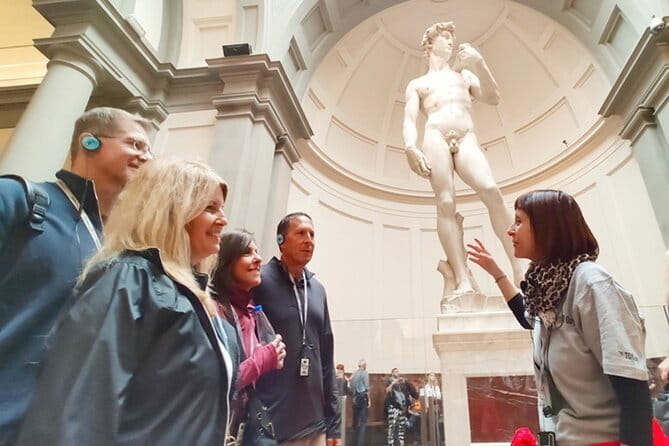
- David at the quietest part of the day: The final portion of the tour is timed to give you better views as daytime crowds leave.
- A 90-minute art lesson: You’ll see more than the famous statue, including Gothic works, plaster models, musical instruments, and Michelangelo’s unfinished Prisoners.
- Skip-the-line entry matters: Even in December, a line may form outside the Accademia.
- Small group, maximum 18 people: A radio receiver helps you hear the guide, though one report noted occasional sound problems.
- Easy central meeting point: Begin near Piazza Santissima Annunziata and finish inside the museum on Via Ricasoli.
- Good for families and first-time museumgoers: The guides explain the art in plain language and keep the visit moving.
Why an evening visit changes the Accademia experience
The Accademia is one of Florence’s most famous museums, largely because it houses Michelangelo’s David. During the day, the entrance area and main gallery can feel crowded, and the statue may be surrounded by people waiting for a clear view.
The evening schedule is the real selling point. As the visit continues, many daytime museumgoers leave. That gives you a better chance to walk around David, see him from several angles, and take in the sculpture without a constant stream of people crossing your view.
I would not promise an empty room. The museum remains popular, and the exact crowd level depends on the date. Still, the timing gives this tour a practical edge over a standard daytime visit. Several people who chose a late afternoon or evening start, including a 5 p.m. Friday departure, found the final part especially calm.
The tour costs $45.45 per person. That is more than a basic museum ticket, but the price includes admission, skip-the-line access, a guide, and a small group capped at 18. For a short visit centered on David, I think the cost is reasonable, especially during busy months when saving time outside the museum matters.
More museums open late around Italy:
- Vatican Evening Tour: Vatican Museums & Sistine Chapel
★ 4.3 · 405 reviews - Vatican Evening Tour: the Museums at Their Best I Max 6 People
★ 5.0 · 128 reviews - Larco Museum, Pisco Old Tavern and Magic Water Circuit Evening Tour
★ 4.5 · 66 reviews
Meeting near Piazza Santissima Annunziata
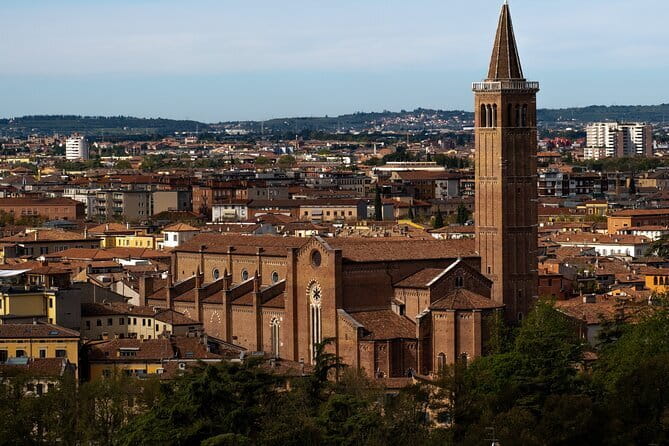
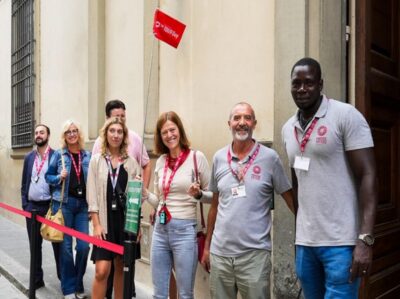
You meet your guide at Piazza della Santissima Annunziata, a handsome square near the Accademia. The meeting point gives you a pleasant introduction to Florence before the museum visit begins.
The square is framed by Renaissance architecture, including the Basilica della Santissima Annunziata. You do not spend a long time sightseeing here. The group gathers for about 10 minutes, receives directions, and then walks together to the gallery entrance.
This is a useful arrangement. You are not expected to find your way through the museum alone, and the nearby square is easier to identify than a small doorway on a busy street. Still, pay attention to the exact meeting instructions on your booking confirmation. One missed appointment was blamed on confusion over the meeting location and a problem in the booking app that displayed the end point instead of the start point.
I also recommend keeping your phone active before the tour. The local staff may try to contact you if the group is having trouble finding you. Hotel pickup is not included, so you are responsible for getting to the square.
Moving through the Accademia’s quieter rooms
Once inside, the guide leads you through several parts of the Galleria dell’Accademia. David is the star, but the museum has enough material to make the rest of the visit worthwhile.
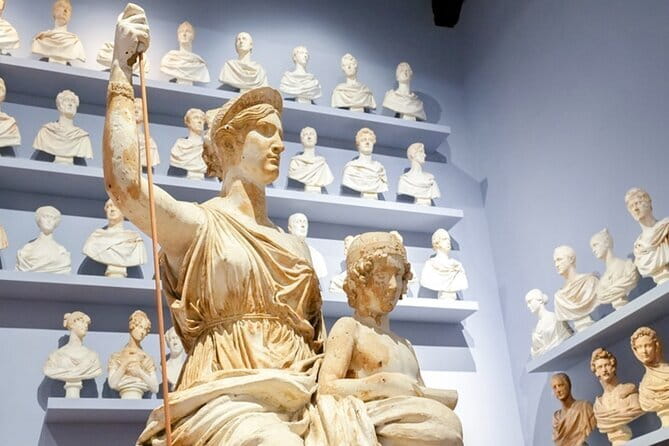
The Gipsoteca Bartolini contains plaster models connected with the work of nineteenth-century sculptors. These large, pale forms help you understand how sculptors developed a figure before producing a finished work in marble or another material.
The Museum of Musical Instruments offers a change of pace. It reflects Florence’s long connection with court music and artistic patronage. This room is especially helpful if you are visiting with someone who is less interested in sculpture, since it gives the tour another subject to follow.
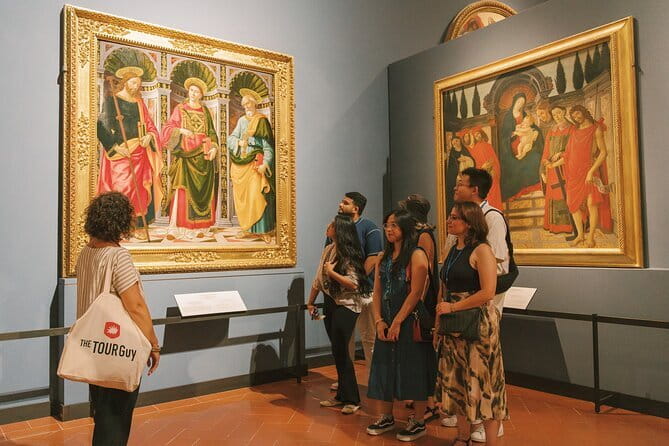
In the Florentine Gothic Hall, you’ll see how art in Florence developed before the full flowering of the Renaissance. The guide can connect the paintings and religious works to the city’s changing artistic tastes, so the room becomes more than a line of old panels on a wall.
The Hall of Prisoners brings you closer to Michelangelo’s working process. The unfinished figures appear to struggle out of the marble, which gives you a useful comparison with the polished surface of David. The contrast helps explain why Michelangelo’s sculpture can feel both physically powerful and deeply human.
You should expect interpretation rather than a long period of free wandering. The guide keeps the group moving and points out where to stand for good views. That is a strength if you are not sure what you are looking at. It is a limitation if you already know the museum well and prefer to set your own pace.
Seeing David after the main crowd has thinned
The tour saves David for the final part, with about 15 minutes devoted to the statue. That timing makes sense. You first build a little context around Florence, Michelangelo, and the museum, then meet the main attraction with a better understanding of what you are seeing.
David is carved from Carrara marble and shows the biblical hero before his fight with Goliath. Michelangelo took on a damaged, abandoned block that other artists had rejected. The guide explains how he transformed that difficult material into a sculpture that became a symbol of Florentine strength and independence.
Look closely at the pose. David is not shown after victory. His alert expression and tense body suggest the instant before action. The slightly oversized hands and head help the figure read clearly from below, while the contrapposto pose gives the body a natural shift of weight.
Your guide may also explain the connection between the statue and Florence’s political identity, along with Michelangelo’s place in the city’s Renaissance culture. The experience is stronger when you know why the sculpture mattered to Florence, rather than treating it as just a famous marble figure.
The room itself is designed to give David a commanding setting. You can walk around the statue and study the details from different positions. The final 15 minutes may sound short, but it is enough for a focused look, especially after the guide has done the background work.
I would not rush away as soon as the guided portion ends. Since the tour finishes inside the museum, you may have a little time to look again at nearby works, depending on closing procedures and the group schedule. The exact amount of free time is not guaranteed, so consider the official tour length the full plan.
More night tours around Italy:
- Rome: City Highlights Open-Top Bus Night Tour
★ 4.1 · 2,038 reviews - Rome: Paranormal Night Walking Tour & Secret Backstreets
★ 4.9 · 1,921 reviews - Vespa Sidecar Tour By Night with Pickup
★ 5.0 · 1,803 reviews - From Milazzo: Panarea and Stromboli Boat Trip by Night
★ 4.2 · 1,605 reviews
The guides make the difference
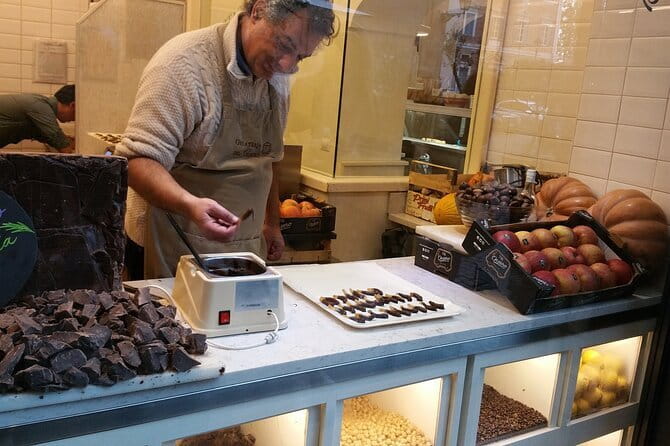
The strongest part of this experience is the quality of the explanation. A statue as famous as David can be oddly easy to overlook if nobody tells you what to notice.
Lucia has been praised for her warmth, strong knowledge of Florence, and careful timing around David. Marco has been especially effective at explaining Michelangelo’s life and the meaning behind the sculpture. He also brought attention to Giambologna’s plaster model for The Rape of the Sabines, a welcome surprise for anyone who expects the tour to focus only on David.
Francesca has been described as friendly, engaging, and well organized. She also gives people time to look around independently instead of talking without pause. Lucy has a gift for making art history approachable, which matters if you do not usually enjoy museums. Angela has been praised for mixing humor, charm, and historical detail.
The names do not guarantee which guide you will receive. They do show the kind of guiding style to expect: clear explanations, personal interaction, and stories that connect the artwork to Florence.
A radio receiver is used for the group. That is helpful in rooms where other tours are talking nearby. One report noted cracking and dropped sound, so the system may not be perfect every time. If you cannot hear, tell the guide promptly rather than trying to follow from a distance.
How the 18-person limit affects the visit
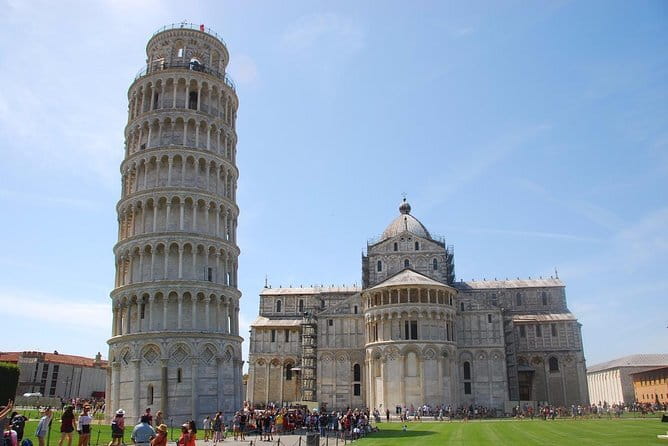
The maximum group size is 18 people. That is not a private tour, but it is small enough for the guide to manage without turning the visit into a march behind a flag.
A group of this size can still feel crowded around a popular work. The radio receiver helps, and the evening schedule reduces the pressure once daytime visitors begin to leave. You should stay close to the guide during the first part, especially in the busier rooms.
The group format also keeps the price below that of a private guide. For most people, this is a sensible middle ground. You receive a structured explanation and skip the line without paying for a one-to-one experience.
Families can make good use of the format. The visit is short enough for children to handle, and the guides explain the material in a way that has worked well for a 12-year-old. Younger children may still lose interest during the Gothic rooms, but the switch to musical instruments and the final look at David help keep the route varied.
What you get for $45.45
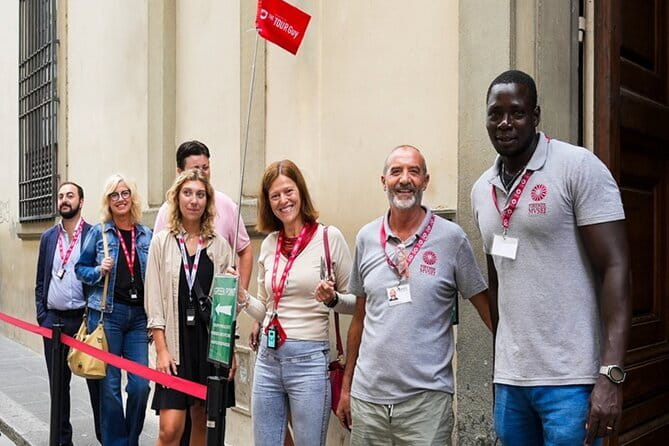
At $45.45, this is not the cheapest way to enter the Accademia. You are paying for more than the admission ticket, though. The fee covers the guide, skip-the-line entry, and the convenience of having the museum organized into a short, readable route.
The value depends on your priorities. If you are happy to wait in line, read wall labels, and find David on your own, you may prefer a basic entry ticket. If your Florence schedule is tight, the time savings and direction can make the extra cost worthwhile.
Skip-the-line access is particularly useful in June and July, when demand is high. Even outside the main season, a December visit still had a line at the entrance. The benefit is not only comfort. You avoid spending part of your evening standing outside when you could be looking at the collection.
This tour also suits anyone who feels lost in art museums. The Accademia is not enormous, but its rooms do not explain themselves equally well. A guide shows you where to look, gives the objects a place in Florence’s story, and helps you understand why the unfinished sculptures matter.
Who should book this evening tour
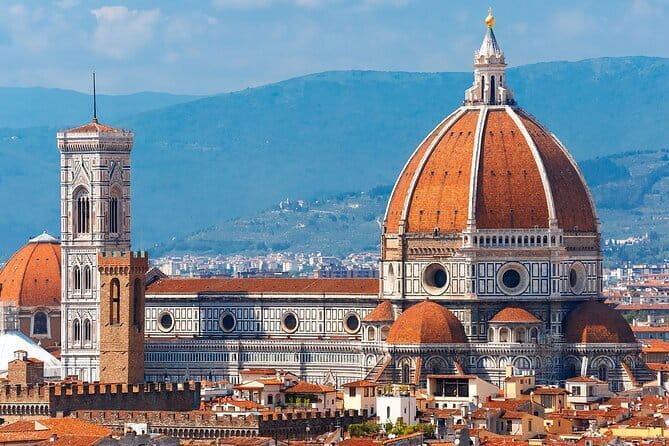
I would choose this tour if you have never seen David in person and want the visit to have context. It is also a good fit if you have limited time in Florence, dislike waiting in lines, or want an English explanation instead of wandering on your own.
Families may appreciate the short length and clear storytelling. First-time art museum visitors should find the tour more approachable than a silent walk through the galleries. History fans will enjoy the discussion of Michelangelo, the Medici family, Florence, and the transition from Gothic art to the Renaissance.
You may want a different option if you are an experienced art student, prefer complete independence, or want several hours inside the museum. The tour gives you a strong overview, but it does not promise an extended study of every room.
Remember that the tour ends inside the Accademia at Via Ricasoli, 58/60. That is handy if you want to remain in the museum for a short time, but you must arrange your own onward plans. Food, drinks, and hotel transportation are not included.
Free cancellation is available up to 24 hours before the start time. Changes or cancellations made inside that window are not refundable, and the experience requires a minimum number of participants.
Should you book the Accademia evening tour?
Book it if David is high on your Florence list and you want more than a hurried photograph. The evening start, skip-the-line entry, small group, and strong guide-led interpretation make the $45.45 price fair for many first-time visitors.
The best practical choice is a late departure, such as the 5 p.m. start that allowed one group to see the museum become quieter near closing. You will still encounter other people, but the final view of David should be calmer than during the busiest daytime hours.
Skip it if you want a slow, independent museum session or already know the Accademia well. For everyone else, this is a compact and well-planned way to meet Florence’s most famous sculpture without wasting precious time in line.
FAQ
How long does the Academia Gallery evening tour last?
The tour lasts approximately 1 hour and 30 minutes.
What language is the tour offered in?
The tour is offered in English and includes an English-speaking art history guide.
Where does the tour begin?
It begins at Piazza della Santissima Annunziata in Florence.
Where does the tour end?
The tour ends inside the Accademia Gallery at Via Ricasoli, 58/60, Florence.
Is skip-the-line entry included?
Yes. Skip-the-line entry into the Accademia Gallery is included.
What is the maximum group size?
The group can include a maximum of 18 people.
Is hotel pickup included?
No. Hotel pickup and drop-off are not included.
Does the tour include food or drinks?
No. Food and beverages are not included.
Which parts of the museum are visited?
The route includes the Gipsoteca Bartolini, Museum of Musical Instruments, Florentine Gothic Hall, Hall of Prisoners, and the gallery containing Michelangelo’s David.
How late can I cancel for a full refund?
You can cancel at least 24 hours before the experience begins for a full refund. Cancellations made less than 24 hours before the start time are not refunded.
Just added for nights around Italy
- Eat like a Local: Venice Cicchetti and Wine Tasting Evening Tour★ 5.0 · 122 reviews
- Venice by Night: Highlights & Hidden Gems Tour★ 5.0 · 128 reviews
- Venice Evening Food Tour: Bites, Drinks & Sit-Down Dinner★ 4.5 · 83 reviews
- Evening Walking Tour with optional motorboat Ride★ 4.2 · 225 reviews
- Lipari – Panarea – Stromboli by night★ 4.5 · 107 reviews
- From Tropea: Panarea Island and Stromboli Volcano by Night★ 4.4 · 134 reviews
- Rome by Night Private Walking Tour★ 5.0 · 194 reviews
- Rome: Night Tour of the City by Golf Cart (Private option)★ 4.9 · 323 reviews
Florence Night Tours, compared.
Florence Evening Food Tour with Florentine Steak & Tuscan Wine
Read our review →
Florence Evening Walking Tour: Stories of Power, Love & Betrayal
Read our review →Browse the lists this tour appears in