
Review · TOKYO
Tokyo After 5: Authentic Japanese Food & Drink Night Tour
Tokyo After 5 is at its best when the grill is hot and your guide is helping you order food you might not choose alone. You cook Tokyo-style monjayaki at the table, then finish with yakitori and a drink in a compact Yurakucho alley lined with small local bars.
I like the small group of up to eight, which makes subway rides and cramped eateries easier. I also like the two included drinks and the chance to try monjayaki, a soft, savory Tokyo specialty that is quite different from a standard pancake.
The main caution is simple: this is not a full progressive dinner. The Ginza wagashi stop is more of a sweet sample than a restaurant visit, and several people have found that the meal felt like two proper eateries rather than three.
Key points to know before booking
- Monjayaki is the main event: You cook this loose, cabbage-based Tokyo specialty on a table griddle in Tsukishima.
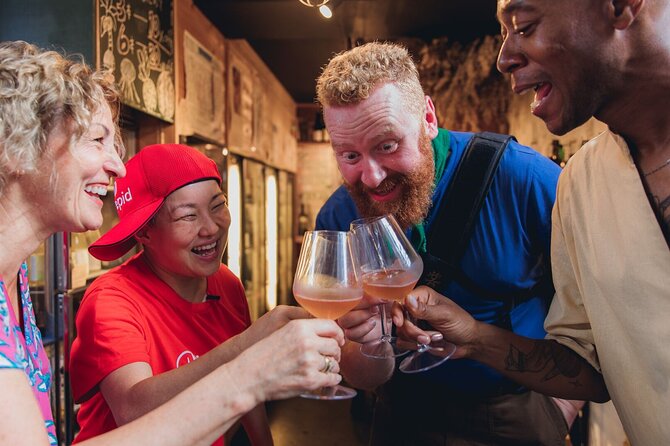
- Yakitori comes later: The final stop is Yurakucho Farm to Table Dining Alley, where skewers are served with beer or sake.
- The first tasting is wagashi: Expect traditional Japanese sweets from the Ginza department-store area, not a sit-down meal.
- Two subway tickets are included: Your guide handles the route between central Ginza, Tsukishima, and Yurakucho.
- Guide quality matters: Yuko, Mizuki, Rocky, and Shoehi have received especially warm praise, though communication has not been equally strong with every guide.
- Dietary limits are firm: Vegetarian, vegan, and gluten-free meals are not available, and some skewers may include cartilage or seafood.
What Tokyo After 5 really delivers
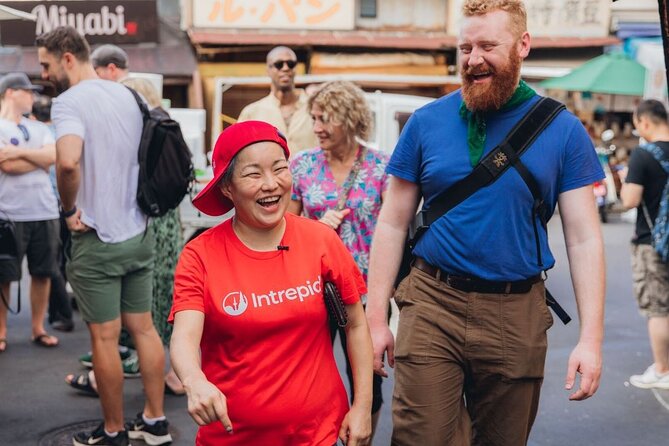
This three-and-a-half-hour walk is less about eating a large quantity of food and more about getting introduced to a few Tokyo food customs. You begin in polished Ginza, ride the subway into the more down-to-earth Tsukishima area, and finish among the after-work crowd in Yurakucho.
That change of setting is the tour’s best feature. Ginza gives you the bright department stores and carefully presented sweets. Tsukishima gives you a hands-on meal. Yurakucho gives you narrow dining lanes and little bars where office workers gather after work.
I would book this if you want help finding local-style places and feel unsure about ordering in small Japanese restaurants. The guide translates menus, explains customs, and keeps the group moving through the subway system. If you want a long, leisurely dinner with several generous courses, this probably will not satisfy you.
The tour costs $122.33 per person. That is a serious price for the amount of food alone. The value comes from the guide, the translation, the two subway rides, the drinks, and the access to places that can feel awkward to enter on your own. You are paying for an organized introduction to Tokyo after dark, not simply for three meals.
More Night Food Tours in Japan
- Kyoto Night Foodie Tour in Gion (9+ dishes + 6 Sake tastings)
★ 5.0 · 1,762 reviews - Tokyo Night Foodie Tour in Shinjuku – Seasonal Sushi, Wagyu Beef
★ 5.0 · 1,161 reviews - Osaka Backstreet Nightlife & Street Food Walking Tour
★ 5.0 · 1,011 reviews
Meeting the guide at Mitsukoshi Ginza
The starting point is the Lion statue in front of Mitsukoshi Ginza at 4-chome, 6-16 Ginza. The tour begins after 5 pm and starts on time, so arrive early enough to locate the statue and settle in.
Ginza is one of Tokyo’s most polished districts. The large department stores, glowing signs, and smartly dressed evening crowds make this a useful first look at the city’s public face. Your guide may point out details you could miss while simply passing through.
The first food is wagashi, a traditional Japanese sweet. This may include mochi or another small confection. It is treated more like a sample or takeaway than a full course, so do not arrive expecting dinner to begin here.
There may also be a stop at Itoya, the famous stationery store. This is an enjoyable extra if you like Japanese design, paper goods, and beautifully arranged everyday objects. If your main goal is food, though, the Ginza portion can feel slow, especially if the group spends time in a department store or waits for elevators.
One unusual part of the experience has involved seeing small plants grown under artificial light in the department-store setting. That can be interesting, but it is not a major culinary stop. Keep your expectations modest during the first 30 minutes.
Cooking monjayaki on Tsukishima Monja Street
The tour then uses the subway to reach Tsukishima Monja Street. Your two subway tickets are included, and this is one of the practical benefits of going with a guide. Tokyo’s rail system is efficient, but transfers, platforms, and station exits can take attention away from the evening.
Tsukishima is associated with monjayaki, a Tokyo original. Monja resembles a pancake only in the broadest sense. The batter is thin, and the finished dish stays soft and almost creamy rather than becoming a firm round cake.
You will usually find cabbage mixed with other ingredients such as seafood. The exact combination can vary, and one serving described on the tour included shrimp and mussels. If you prefer plain food, the texture and ingredients may take some getting used to.
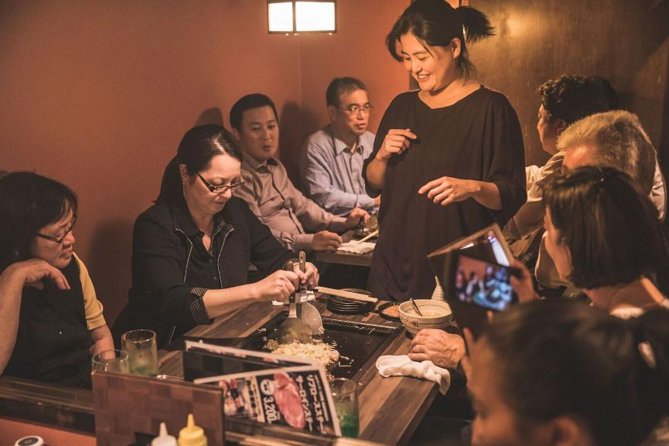
The hands-on cooking is the fun part. The mixture is placed on the hot griddle at the table, and your guide or the restaurant staff may help shape and cook it. You eat it directly from the grill with a small spatula. Listen for the sizzle, watch the edges cook, and take small bites.
I like this stop because it gives you something to do besides sit and eat. You are learning a local habit, not just sampling a dish prepared in a kitchen. It also creates a natural chance to ask about Japanese food customs and ingredients.
Do not expect a large serving. The monjayaki helps take the edge off your hunger, but some people have found the portion and extra samples quite small. I suggest having a light snack earlier in the day, especially if you eat dinner early or do not enjoy waiting between stops.
From Tsukishima to Yurakucho after dark
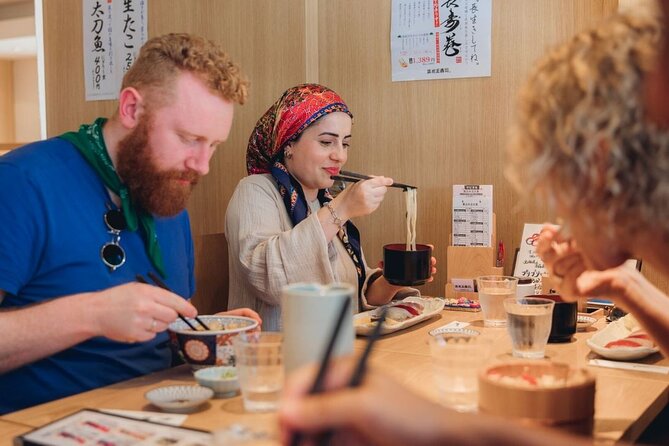
After Tsukishima, the group rides the subway again and continues toward Yurakucho. There is a fair amount of walking, including station corridors and street walking, and the pace can feel brisk. Wear comfortable shoes and stay close to the group at crossings and station entrances.
The guide’s handling of these transfers makes a real difference. Yuko has been especially praised for making the subway system easier to use and for keeping the route smooth. Mizuki has also been singled out for explaining food and treating the group with care. Rocky has led the tour with a friendly, energetic approach, while Shoehi has been praised for making the evening enjoyable.
That said, the guide is not a small detail here. You rely on this person for translation, directions, food explanations, and group control. Communication has felt excellent with some guides and limited with others. If your guide speaks too quickly or gives little explanation, much of the tour’s value disappears.
The walk between food stops can also feel longer than expected. One account described the first food destination as a substantial walk, and another criticized the high-speed pace. You should be comfortable walking for much of the evening, including stairs in stations.
Same night, a different way out:
- Tokyo Bar Hopping Tour in Shinjuku (All-You-Can-Drink + Dinner)
★ 5.0 · 3,587 reviews - Kyoto: Gion Magical Night Walking Tour with Geisha Trivia
★ 4.9 · 2,393 reviews - Night Walk in Gion: Kyoto’s Geisha District
★ 4.5 · 2,003 reviews - Osaka Bar Hopping Night Walking Tour in Namba (3 bars, 6 tastes)
★ 5.0 · 958 reviews
Yakitori in Yurakucho’s dining alley
The final food stop is Yurakucho Sanchoku Inshokugai, also called Yurakucho Farm to Table Dining Alley. This is the most atmospheric part of the evening for many people. Small bars and casual eateries sit close together, and the setting feels far less formal than Ginza.
Here you receive yakitori, grilled skewers served with a tare sauce. Each shop may have its own version of the sauce, and the smoky, salty flavor works well with the included beer or sake. You can also receive a soft drink if you are under 20 or prefer not to drink alcohol.
The tour includes two drinks in total. These may be sake, beer, or a non-alcoholic drink, depending on your age and preference. Japan’s legal drinking age is 20, while the minimum age for the tour itself is 12.
The yakitori portion is another place where expectations matter. The menu may include less familiar cuts, including chicken cartilage, rather than only the tender chicken pieces many people picture when they hear yakitori. One person found the meat undercooked for their taste, so speak up if you have concerns about doneness.
This is not a private restaurant meal. You are visiting local bars and dining spaces that are owned and run by local people. Seating can be compact, and the atmosphere may be busy. That is part of the appeal, but it may not suit you if you need a quiet, spacious dinner.
At the end, you can say goodbye to the group and leave, or remain at the bar after the tour. The official end point is near Ginza Station, but the final dining area also puts you in a useful position for continuing your evening in central Tokyo.
Three dishes does not mean three restaurant meals
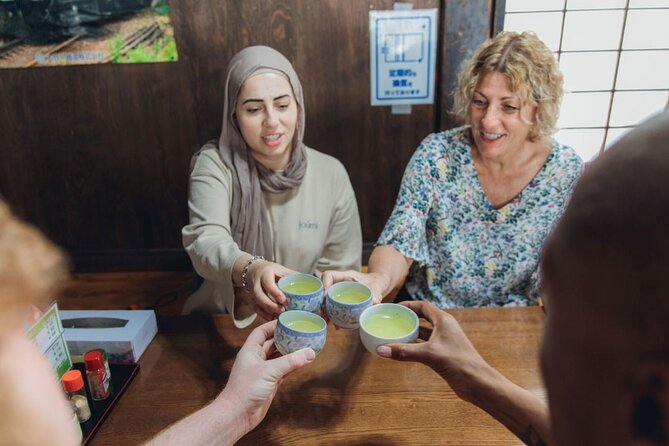
The food count needs a clear explanation. The experience includes three local dishes: wagashi, monjayaki, and yakitori. In practical terms, wagashi is a sweet sample from the Ginza area, while monjayaki and yakitori are the two proper restaurant stops.
This distinction explains the mixed reactions to the itinerary. If you read three eateries and picture three full courses, you may feel shortchanged. If you see the tour as two local dining visits plus a Ginza sweet tasting, the structure makes more sense.
The overall amount of food is moderate. Some people have finished satisfied, while others have remained hungry. I would not book this as your only meal of the day. Have a proper breakfast and lunch, eat a small snack before meeting the guide, and treat the evening as a tasting tour.
The food itself is also not designed for every palate. Cabbage is central to the monjayaki experience, and the yakitori selection may include seafood, cartilage, or other cuts. Vegetarian, vegan, and gluten-free options are not available, so check carefully before paying.
How much guide quality affects the evening
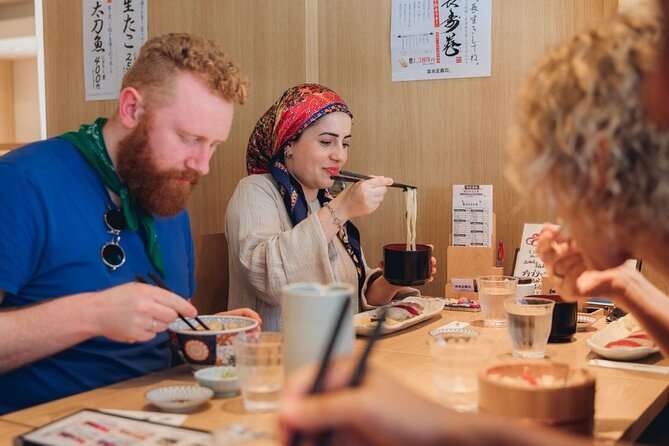
A good guide turns this route into a useful introduction to Tokyo. The strongest guides explain what you are eating, help you use the subway, translate the menu, and make a small group feel comfortable. Yuko has been praised for her food explanations and smooth route planning. Mizuki has made a strong impression through polite service and clear attention to the group. Shoehi has been described as warm and enjoyable, and Rocky has brought enthusiasm to the job.
The weaker version of the tour is much less rewarding. If the guide hurries ahead, gives little cultural context, or is difficult to understand in English, you may feel that you are simply being taken from one place to another.
Because the group is capped at eight, you should have a chance to ask questions. That small size is especially useful in narrow restaurants and on subway platforms. It does not guarantee a particular guide or communication style, but it gives the tour a better setting for personal attention than a large bus outing.
Price, pace, and who will enjoy it
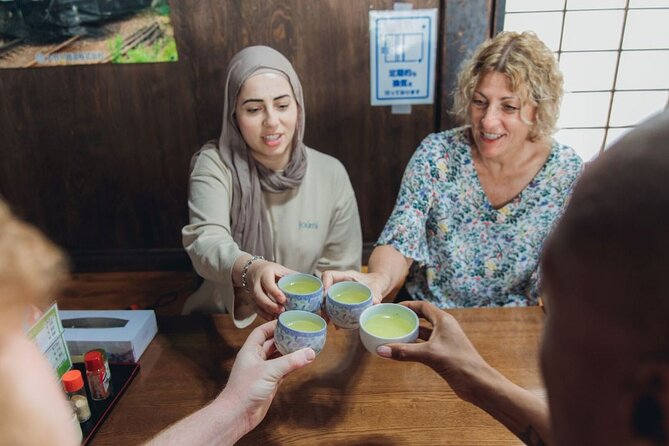
At $122.33, this is best viewed as a paid orientation to Tokyo food culture. Two drinks and public transport add real value, but the food portions alone do not justify the price for everyone.
I think the cost makes more sense during a first Tokyo visit, especially if you want a guide to handle the confusing parts of the evening. It also suits solo visitors and couples who prefer a social night without having to plan every restaurant stop.
You may want to skip it if you have strict dietary needs, dislike crowded small bars, or want a full dinner. It is also a poor fit if you dislike fast walking, stairs, or subway transfers.
The tour runs for about three hours and 30 minutes. It begins at Mitsukoshi Ginza and finishes near Ginza Station, although the last dining stop is in Yurakucho. The route is close to public transportation, and most people can take part if they are comfortable with moderate walking.
You receive confirmation when booking, and free cancellation is available up to 24 hours before the start time. Changes or cancellations inside that window are not accepted, and poor weather can lead to a new date or a full refund.
Should you book Tokyo After 5?
Book this tour if you want a guided introduction to monjayaki, yakitori, Japanese sweets, and Tokyo’s evening dining habits. The best parts are the hands-on griddle cooking, the small group, the local bars, and the help with subway travel and menus.
Go in knowing that the first stop is a wagashi tasting rather than a restaurant, the food portions may be modest, and the walking can be brisk. If you want a generous dinner, book a separate meal afterward. If you want an easy way to try unfamiliar food in local settings, this tour can be a useful first night in Tokyo, particularly when your guide is as warm and clear as Yuko, Mizuki, Shoehi, or Rocky.
FAQ
How long does the Tokyo After 5 food tour last?
The tour lasts approximately three hours and 30 minutes.
Where does the tour begin?
It begins at the Lion statue in front of Mitsukoshi Ginza, at 4-chome, 6-16 Ginza, Chuo City, Tokyo.
Where does the tour finish?
The stated end point is near Ginza Station at Tokyo Metro Ginza Station.
What food is included?
You receive wagashi, monjayaki, and yakitori. These are three local dishes, though the wagashi is a sweet tasting rather than a full restaurant course.
How many drinks are included?
Two drinks are included. They may be sake, beer, or a soft drink.
Are subway fares included?
Yes. Two subway tickets for the necessary public transportation are included.
Can children join the tour?
The minimum age is 12. Anyone under 20 will receive non-alcoholic drinks because the legal drinking age in Tokyo is 20.
Are vegetarian, vegan, or gluten-free options available?
No. The establishments visited cannot provide vegetarian, vegan, or gluten-free options on this tour.
How large is the group?
The tour has a maximum of eight participants.
How much walking is involved?
A moderate amount of walking is involved, including walking through Ginza, station routes, and transfers between food stops. Comfortable walking shoes are recommended.
Just added for nights around Japan
- [1 Group Only ] Osaka: Private Night Food Tour for Family★ 5.0 · 2 reviews
- Kyoto Private Night Tour with a Local – Bars, Bites & Culture★ 5.0 · 48 reviews
- Private Tokyo Night Tour★ 5.0 · 115 reviews
- Osaka After Dark: Small-Group Night Food Tour (Max 6)★ 4.5 · 245 reviews
- Osaka Nighttime tour★ 5.0 · 270 reviews
- Osaka: Bar-Hopping Night Tour in Namba★ 4.7 · 117 reviews
- Osaka: Private Vibrant Nighttime Photoshoot (Dotonbori)★ 4.9 · 80 reviews
- Tokyo by Night Photography Tour (Private Option Available)★ 5.0 · 151 reviews
Tokyo Night Tours, compared.
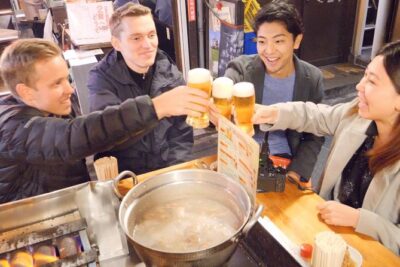
Tokyo Bar Hopping Tour in Shinjuku (All-You-Can-Drink + Dinner)
Read our review →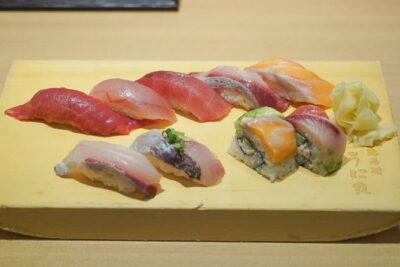
Tokyo Night Foodie Tour in Shinjuku – Seasonal Sushi, Wagyu Beef
Read our review →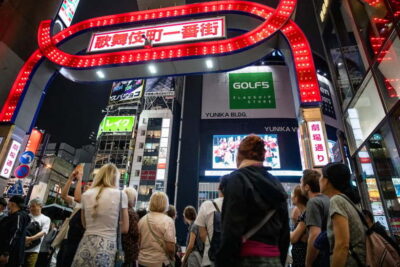
Tokyo: Dark Side of Tokyo Shinjuku Red Light Walking Tour
Read our review →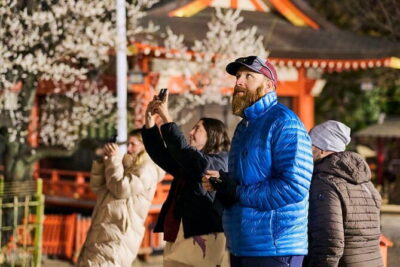
Tokyo: Shinjuku Historical Walking Tour & Secret Backstreets
Read our review →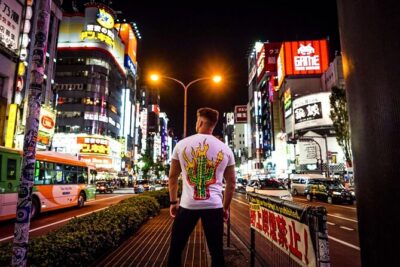
Tokyo by Night Photography Tour (Private Option Available)
Read our review →
Browse the lists this tour appears in