
Review · TOKYO
Tokyo Night Foodie Tour in Shinjuku – Seasonal Sushi, Wagyu Beef
Shinjuku is easiest to enjoy after dark, when the neon signs come on and the narrow lanes fill with restaurant smells. This tour gives you two strong reasons to go out: omakase sushi chosen by the chef and Japanese Wagyu cooked over a traditional shichirin grill. You also get a guided walk through Kabukicho, Godzilla Road, and nearby streets that can feel confusing on your own.
I like the small group limit of seven, which gives guides such as Aoi, Mimi, Molly, Yuma, Yosh, and Hiro room to answer questions and help with ordering. I also like that the meal is more than a snack crawl. Many menus include several sushi pieces and multiple Wagyu cuts, enough to leave you comfortably full. The main consideration is dietary flexibility: allergy-free meals cannot be guaranteed, and vegetarians must request a suitable course by the day before.
Key points to know before booking
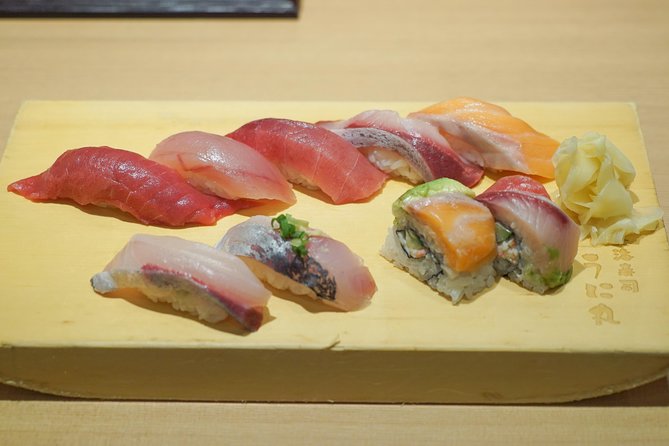
- Omakase sushi starts the meal: The chef chooses seasonal pieces, with some menus including eight sushi pieces.
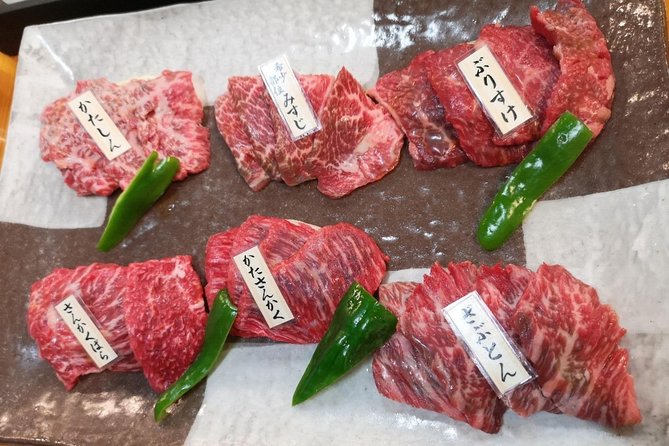
- Wagyu is cooked at your table: Expect several cuts, with one menu including five portions of A5 Wagyu grilled over a shichirin stove.
- Kabukicho is part of the experience: The walk adds nightlife, history, neon streets, and the famous Godzilla Head.
- Dessert or a drink finishes the evening: The final stop takes place in Nishishinjuku, with the exact choice shaped by the group.
- Seven people is the maximum: This keeps the outing personal and makes it easier to ask questions.
- Plan for walking and weather: The tour lasts about three hours and runs outdoors between food stops.
Why this Shinjuku food tour works
This is a good introduction to Tokyo food culture because it joins two very different meals. Sushi shows the careful, seasonal side of Japanese dining. Wagyu brings a more social, hands-on meal, with the meat cooked right in front of you.
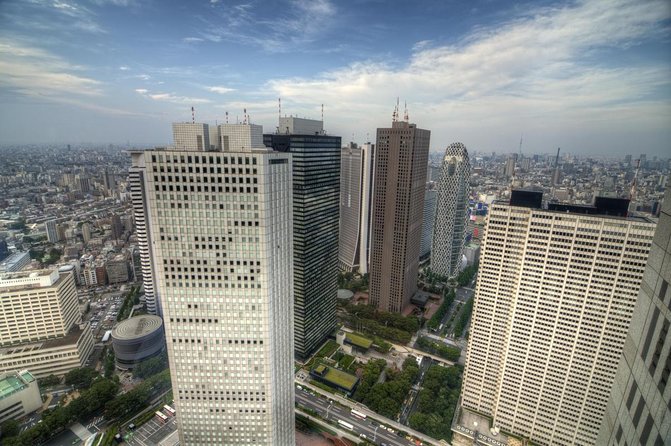
The food is only half the point. Shinjuku can feel like several cities packed into one district. You have office towers, tiny restaurant lanes, department stores, bars, theaters, and Kabukicho’s famous nightlife all within a short walk. A local guide helps you understand what you are seeing instead of leaving you to decode every sign and entrance.
The tour costs $111.62 per person. That is not a bargain dinner in Tokyo, but the price covers guided visits to more than one restaurant, sushi, Wagyu, a dessert or drink, and a walk through central Shinjuku. If you already know where to eat and prefer choosing each dish yourself, the price may feel high. If you want a planned first night with local help and several signature foods, it is easier to justify.
The group limit matters here. With no more than seven people, your guide can explain unfamiliar dishes, help an older family member choose from a menu, and offer suggestions for the rest of your Japan trip. Several guides, including Yuma and Mimi, are praised for answering questions about daily life, food, and local customs, not just pointing out landmarks.
More Night Food Tours in Japan
- Kyoto Night Foodie Tour in Gion (9+ dishes + 6 Sake tastings)
★ 5.0 · 1,762 reviews - Osaka Backstreet Nightlife & Street Food Walking Tour
★ 5.0 · 1,011 reviews - Tokyo After 5: Authentic Japanese Food & Drink Night Tour
★ 4.5 · 560 reviews
Meeting in Nishishinjuku and finding your bearings
The meeting point is at 1-chōme-2-8 Nishishinjuku, in Shinjuku City. Check the exact meeting instructions carefully before leaving your hotel, since Shinjuku has several large stations and many exits.
Once the group meets, the guide leads you toward the first food stop. The opening section is short, about 10 minutes, but it sets the tone for the evening. This is not a bus tour or a long lecture. You move on foot and begin eating fairly early.
You should wear comfortable shoes. The route includes walks between restaurants and through Kabukicho. One account of the timing describes about 15 minutes walking to the sushi restaurant and another 15 minutes to the Wagyu restaurant. The full activity lasts about three hours, though the listed stop times do not account for every transfer and pause.
Omoide Yokocho and the first sushi meal
Omoide Yokocho is one of Shinjuku’s best-known food areas, with narrow lanes, compact eateries, and a very different feel from the wide streets around the station. The tour uses the area as part of the route, but you should not expect to sit down and eat in the tiny lanes themselves. The sushi restaurant is reached after walking through the district.
That detail is worth knowing. The name Omoide Yokocho may suggest a meal among its tightly packed stalls, but the actual sushi stop is at a separate restaurant. The setting still gives you a taste of old-style Shinjuku, while the restaurant offers a more controlled place for the sushi course.
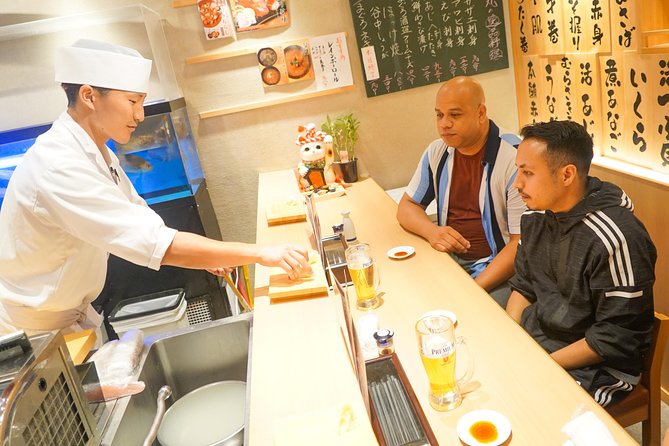
The sushi stop lasts about 40 minutes. You may be offered omakase, meaning the chef selects the meal. This can be a useful choice in Japan, especially if you are unsure what is best that day. The point is seasonal selection rather than picking familiar rolls from a long menu.
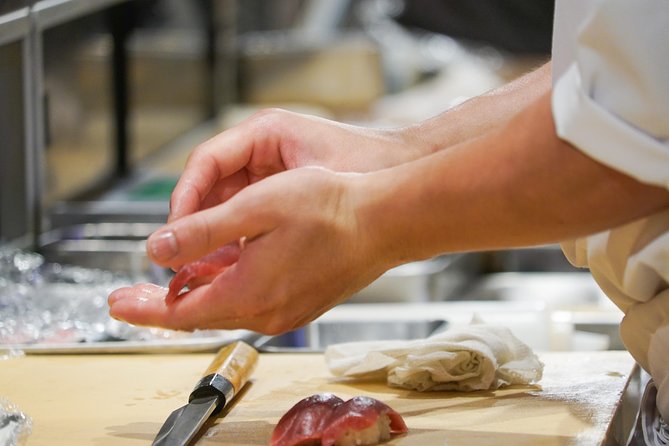
Some diners describe receiving eight pieces of omakase sushi. The exact selections can change, so you should think of that number as a guide rather than a fixed promise. You may watch the chef prepare the pieces, and your guide can explain what you are eating if you ask.
This is also the part of the tour where a little curiosity helps. Sushi in Japan often comes as individual pieces rather than the large rolls common in other countries. The fish, rice, seasoning, and order of service can all matter. One visitor felt the food explanations could have gone further, so ask direct questions if you want more detail about the fish or preparation.
Kabukicho after dark
After sushi, the route moves into Kabukicho, the entertainment district known for neon signs, restaurants, theaters, bars, and late-night activity. The walk lasts about 40 minutes, making it one of the longer parts of the experience.
Kabukicho is not a quiet historic quarter. It can be loud, crowded, and visually intense. That is precisely why a local guide is useful. You can focus on the signs, alleys, and odd details around you without constantly checking a map.
The guide also provides context about how the district fits into Tokyo. Yuma, Hiro, Mimi, and others are praised for explaining local culture and the history of Shinjuku. The quality of the storytelling may vary by guide, but the small group gives you a fair chance to ask for the kind of information you want.
I would place this tour early in your Tokyo stay if you like using food walks to get oriented. You can ask where to return later, which streets are worth exploring, and how to approach restaurants that seem intimidating. One useful benefit is confidence. After walking through Kabukicho with a local, you may feel more comfortable returning on your own.
The walk is described as relaxed rather than rushed. That suits anyone who wants time to look around, but it may disappoint you if you expect a fast-moving night tour packed with stops. The activity is built around eating and seeing the area, not racing from one attraction to another.
Same night, a different way out:
- Tokyo Bar Hopping Tour in Shinjuku (All-You-Can-Drink + Dinner)
★ 5.0 · 3,587 reviews - Kyoto: Gion Magical Night Walking Tour with Geisha Trivia
★ 4.9 · 2,393 reviews - Night Walk in Gion: Kyoto’s Geisha District
★ 4.5 · 2,003 reviews - Osaka Bar Hopping Night Walking Tour in Namba (3 bars, 6 tastes)
★ 5.0 · 958 reviews
Godzilla Road and the Godzilla Head
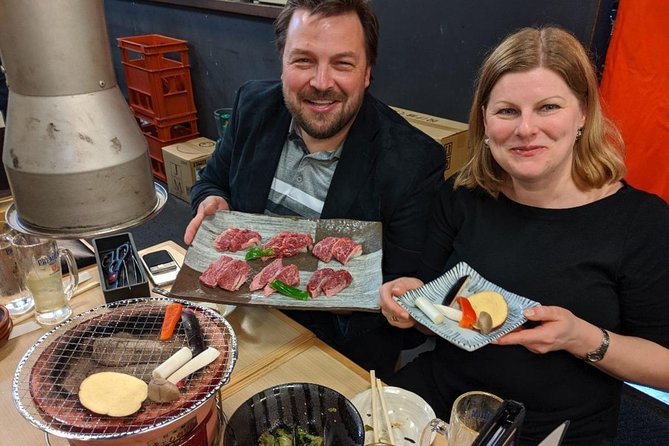
The tour pauses for about five minutes at Godzilla Road and the Godzilla Head. This is a quick photo and sightseeing stop, not a full museum visit.
The giant head is attached to the entertainment complex above the street and has become one of Kabukicho’s most recognizable sights. The stop works well because it breaks up the walk with something playful and unmistakably Tokyo.
You will not spend long here, so keep your camera ready. The value is less about learning a large amount of film history and more about seeing one of the district’s memorable pieces of pop culture. If you are a Godzilla fan, this may be a highlight. If not, it is still an amusing marker in the middle of the nightlife district.
Wagyu on a traditional shichirin grill
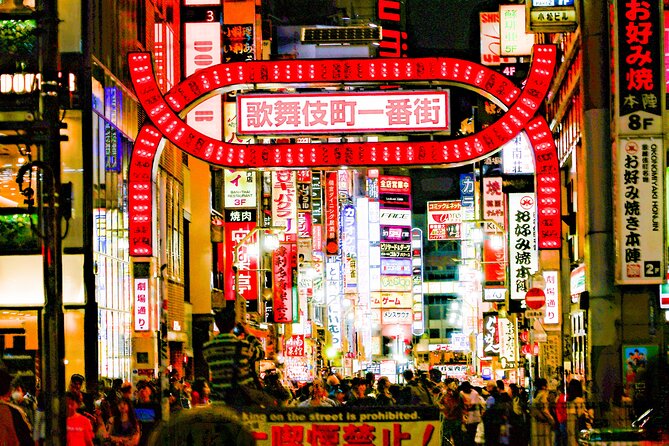
The second major meal is the Wagyu stop. Here, the beef is grilled over a shichirin, a small traditional charcoal stove. This gives the meal a different rhythm from sushi. Instead of receiving finished pieces one at a time, you take part in cooking the meat at the table.
Several menus are described as offering five cuts of A5 Wagyu. Again, the exact food can vary, but you should expect a tasting rather than one enormous steak. The point is to compare rich, carefully marbled beef in several portions.
This is likely to be the most filling stop. The fat in Wagyu is part of its appeal, but it can also make a large serving feel heavy. The tasting format is helpful because you get the flavor without committing to a huge slab of beef.
Your guide can also help explain the difference between cuts and how long to cook each piece. Do not assume every piece should be treated the same way. The pleasure comes from cooking carefully and eating the beef while it is hot.
One family described the Wagyu as the favorite part of the evening. That makes sense if you enjoy interactive meals. The sushi is precise and quiet. The grill is warmer, more social, and easier to share as a group.
There is one practical caution. Some venues may allow smoking because smoking is not prohibited everywhere on the route. The company cannot always change the restaurant if this is an issue, so consider that before booking.
Dessert or a drink in Nishishinjuku
The final food stop takes place in Nishishinjuku and lasts about 30 minutes. The group may choose dessert or a drink, depending on the available option and the group’s preference.
This is a useful ending. After sushi, a night walk, and Wagyu, you may want something sweet or a simple refreshment rather than another full meal. The final stop also gives you time to talk with the guide and other people in the group.
Some groups choose dessert, while others enjoy a drink. The exact item is not fixed in the information provided, so book this tour for the overall evening rather than one specific final dish.
The tour ends back at the meeting point. That makes it easier to continue exploring Shinjuku, return to your hotel, or use the guide’s recommendations for a later meal.
What the guides add to the evening
The food is the headline, but the guide often determines how useful the tour feels. Guides named in the feedback include Yuki, Molly, Megumi, Yuma, Aoi, Hiro, Lisa, Minnie, Mimi, Yosh, Karen, and Mayu.
The strongest pattern is personal help. Yuki assisted an older mother with menu choices. Molly answered basic questions about Japanese food, people, and local life. Mimi helped a family understand both the meals and Tokyo life. Yosh also helped with the route home after the tour.
You should not expect every guide to give the same level of food detail. One person wanted more explanation about the dishes, while others praised the cultural background and restaurant guidance. If food education is important to you, tell your guide at the start. Ask about the sushi, the beef, the neighborhood, and any dish you do not recognize.
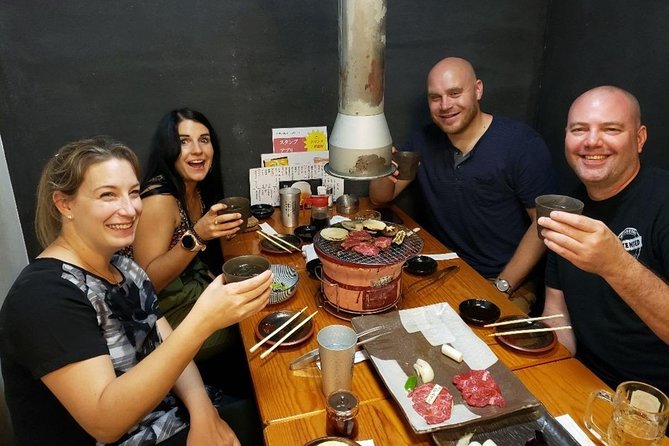
The group setting can be part of the fun. You eat at several stops, walk together, and have natural chances to talk with other people. Solo visitors and couples may appreciate that social element, while families can benefit from the extra help with ordering.
Walking, weather, and dietary needs
The tour is suitable for most people, but you should be comfortable walking between stops for about three hours. The route passes through busy nightlife areas and may involve standing or sitting in compact restaurants.
Tokyo’s weather can be severe. Summer temperatures may reach 40°C, while winter temperatures can fall to -5°C. Dress for the forecast, since the walk between restaurants is an important part of the experience.
Allergy-free meals cannot be guaranteed. The food is prepared in kitchens operated by the individual restaurants, and substitutions may not always be possible. The company says it will try to compensate at another stop, but you should not treat that as a guarantee.
Vegetarian meals require advance notice by the day before. A vegetarian course may be possible when requested in time, but you cannot count on arranging it on the day itself. People with serious allergies or strict dietary rules should contact the provider before paying.
Who should book this experience
I would recommend this tour to first-time visitors who want a guided introduction to Shinjuku after dark. It is also a good fit if you want to try omakase and Wagyu but feel unsure about selecting a restaurant or ordering alone.
Families with adult children may like the balance of food, walking, and pop culture. Solo visitors can meet other people without signing up for a huge group. Couples get an easy evening plan with several distinct parts.
I would hesitate if you want a highly specialized sushi lesson, a long explanation of Japanese food, or a strict vegetarian or allergy-safe menu. I would also think twice if you dislike smoky venues, crowded nightlife districts, or walking outdoors in hot or cold weather.
Free cancellation is available if you cancel at least 24 hours before the start time. Changes or cancellations inside that window are not refunded, and the cut-off follows Tokyo local time.
Should you book the Shinjuku night food tour?
Book it if you want a well-planned first taste of Shinjuku, especially if omakase sushi and Wagyu are high on your Japan list. The combination is strong: seasonal sushi, table-grilled beef, Kabukicho at night, Godzilla Head, and a final dessert or drink.
The $111.62 price makes the most sense when you value guidance and variety. You are paying for more than food. You are paying for access to restaurants that may be hard to choose on your own, a small group, help with menus, and a night walk that gives you a feel for the district.
Skip it if you prefer to eat slowly at one restaurant, choose every dish yourself, or need guaranteed dietary control. For everyone else, this is a practical way to get oriented, eat well, and leave Shinjuku with a few places you can return to on your own.
FAQ
How long does the Tokyo Night Foodie Tour last?
The tour lasts approximately three hours.
How much does the tour cost?
The listed price is $111.62 per person.
What is the maximum group size?
The tour has a maximum of seven travelers.
Where does the tour begin?
It begins at 1-chōme-2-8 Nishishinjuku, Shinjuku City, Tokyo 160-0023, Japan.
Where does the tour end?
The activity ends back at the meeting point.
What food is included?
The experience includes sushi, Japanese Wagyu beef, and a final dessert or drink. The exact dishes can vary.
Is omakase sushi included?
The sushi stop offers an omakase-style option, where the chef chooses the seasonal creations. Some menus include eight pieces.
How is the Wagyu prepared?
The Wagyu is grilled at the table over a traditional shichirin stove. Some menus include five cuts of A5 Wagyu.
Can vegetarians join the tour?
A vegetarian course may be available if requested by the day before. A vegetarian request made on the day of the tour cannot be guaranteed.
Can the tour accommodate food allergies?
Allergy-free meals cannot be guaranteed. Substitutions may not be possible at every restaurant, though the provider will try to offer compensation at another stop.
Is the tour near public transportation?
Yes, the activity is near public transportation.
What happens if the weather is very hot or cold?
The tour runs in Tokyo’s outdoor conditions, so you should prepare for seasonal extremes. Summer highs may reach 40°C and winter lows may fall to -5°C.
Can I cancel for a refund?
You can receive a full refund if you cancel at least 24 hours before the experience start time. Cancellations or changes made less than 24 hours beforehand are not refunded.
Just added for nights around Japan
- [1 Group Only ] Osaka: Private Night Food Tour for Family★ 5.0 · 2 reviews
- Private Tokyo Night Tour★ 5.0 · 115 reviews
- Kyoto Private Night Tour with a Local – Bars, Bites & Culture★ 5.0 · 48 reviews
- Osaka After Dark: Small-Group Night Food Tour (Max 6)★ 4.5 · 245 reviews
- Osaka Nighttime tour★ 5.0 · 270 reviews
- Osaka: Bar-Hopping Night Tour in Namba★ 4.7 · 117 reviews
- Osaka: Private Vibrant Nighttime Photoshoot (Dotonbori)★ 4.9 · 80 reviews
- Tokyo by Night Photography Tour (Private Option Available)★ 5.0 · 151 reviews
Tokyo Night Tours, compared.
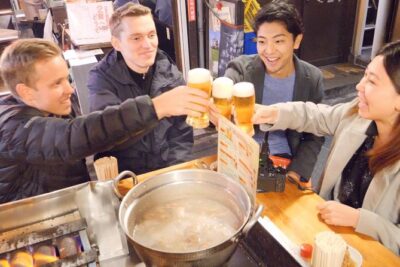
Tokyo Bar Hopping Tour in Shinjuku (All-You-Can-Drink + Dinner)
Read our review →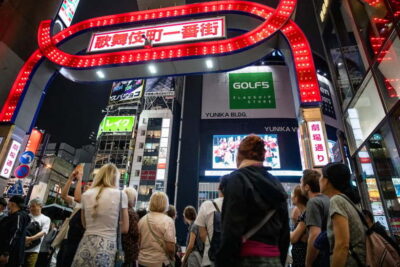
Tokyo: Dark Side of Tokyo Shinjuku Red Light Walking Tour
Read our review →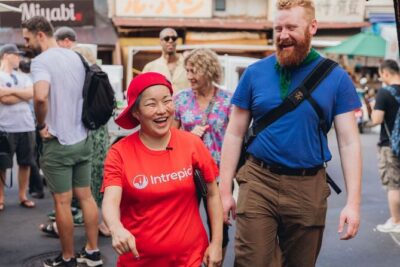
Tokyo After 5: Authentic Japanese Food & Drink Night Tour
Read our review →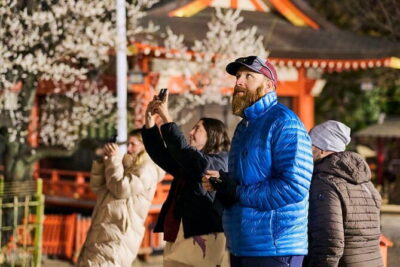
Tokyo: Shinjuku Historical Walking Tour & Secret Backstreets
Read our review →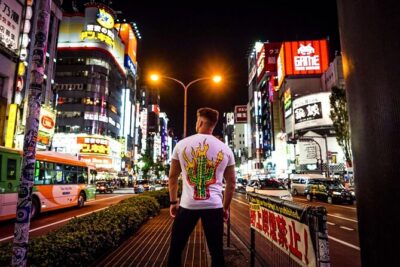
Tokyo by Night Photography Tour (Private Option Available)
Read our review →
Browse the lists this tour appears in