
Review · LAS VEGAS
Death Valley Sunset and Stargazing Tour from Las Vegas
Death Valley is at its best when you see it change. In one long day, you move from sunlit salt flats and painted hills to a golden sunset at Zabriskie Point, then wait for stars to appear far from Las Vegas. The day-to-night rhythm gives this trip more range than a standard sightseeing run.
I like the easy hotel pickup and the small group, capped at 14 people, because they remove much of the work from a remote national park visit. I also like that park admission, bottled water, and photo help are included, with guides such as Andrew, Jason, and Justin often helping people frame shots and use phone settings for the night sky.
The tradeoff is the length. This is roughly a 12-hour outing, with up to three hours of driving each way, and the vehicle may feel cramped. Meals, Wi-Fi, charging points, and onboard comfort extras are not included, so bring food, layers, and a fully charged phone.
Key points to know before booking
- See Death Valley’s main sights in one day: Dante’s View, Badwater Basin, Artists Palette, and Zabriskie Point are all covered.
- Stay after sunset for stars: Stargazing begins about 90 minutes after sunset, but clouds and a bright moon can reduce what you see.
- Hotel pickup keeps the day simple: Pickup is available from selected Las Vegas Strip and surrounding hotels, with the exact time sent by text or email the day before.
- The small group helps with photos: The maximum is listed as 14 people, though the tour is also described as having no more than 10 guests.
- Budget for your own meals: Water and park fees are included, but food is not.
- Expect a full desert day: Walking is limited, but the early pickup, long drive, sunset stop, and late return make this a demanding schedule.
Why this Death Valley trip works from Las Vegas
Death Valley is not a casual hop from the Strip. The drive takes about 2.5 to 3 hours each way, and the park’s main sights are spread across a huge area. You can rent a car, plan your own route, check road conditions, pay the entrance fee, and drive home after dark. Or you can let someone else handle the route while you watch the desert change outside the window.
At $249 per person, this is not a bargain bus outing. The price makes more sense if you value hotel-to-hotel transport, a guide, park admission, and a small group. It also covers an unusual second act: you remain in the area after sunset instead of returning to Las Vegas while the park is still glowing.
The tour is offered in English. Guides named in recent trip information include Andrew, Jason, and Justin. Their roles go beyond driving. Expect commentary about the park and nearby national parks, help with group timing, and assistance taking photos. Jason, in particular, has been noted for using a star app and helping people adjust phone settings for night shots. Guide quality can vary by departure, but the format gives you access to someone who knows the stops and can keep the day moving.
More ways to see the USA once the lights come on:
- DC Memorials Night Tour: Glass-Roof Convertible Upgrade Option
★ 4.5 · 6,933 reviews - Big Island Manta Ray Night Snorkel
★ 5.0 · 5,656 reviews - National Mall Monuments Night Tour with 10+ Stops, Entry Tickets
★ 4.5 · 4,863 reviews
The long ride to the park entrance
Pickup times change with the season because the tour is built around sunset and night-sky viewing. The stated pickup windows are about 8:30 or 9 a.m. in winter, 10:30 a.m. in spring, 12:30 p.m. in summer, and 11 a.m. in early fall. The exact meeting details arrive by text or email the day before.
That seasonal spread matters. A summer departure can feel like a late start, but it helps position the group for sunset and stargazing. A winter departure begins much earlier and may bring a return closer to evening, while other dates can return between 10 p.m. and 1 a.m. The general return range is listed as 8 p.m. to 2 a.m., so do not schedule a tight dinner reservation or show afterward.
The first stop is the national park sign, usually a quick photo break of about 10 minutes. It is a simple start, but it gives you a record of entering one of the most unusual parks in the United States.
Use the drive wisely. Bring snacks, sunscreen, a refillable sense of patience, and a battery pack. Water is supplied, but meals are not. A food stop may be made at a sandwich shop or Chinese buffet, with vegetarian choices available, yet you should not treat lunch as included.
Dante’s View puts the whole valley below you
Dante’s View is one of the strongest early stops because it gives you scale before you descend into the valley. From about 5,476 feet above the valley floor, you can look across the salt flats and see the low point below. The view explains Death Valley better than a map does: high mountain ridges surround a broad, dry basin that seems to stretch beyond the frame of your camera.
You get about 30 minutes here. That is enough for the overlook and photographs, but not for a long walk. The stop also carries a bit of film history, since the area was used as Mos Eisley in the original Star Wars. If that connection matters to you, this is a fun detail to ask your guide about.
Dante’s View can be cold and windy compared with the basin below, especially in the early or late part of the day. Keep a light jacket within reach rather than buried in your bag.
Badwater Basin shows the park at its lowest
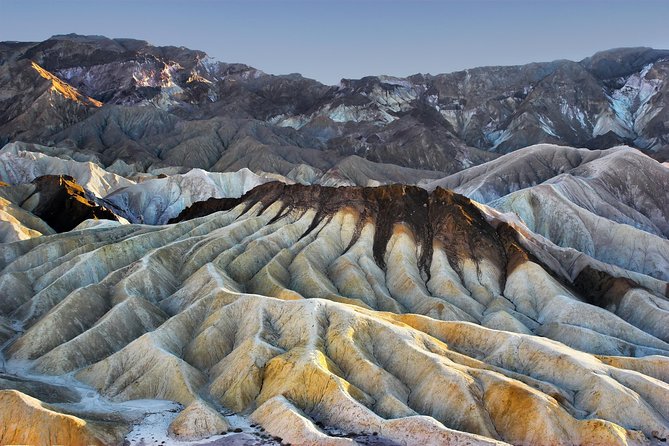
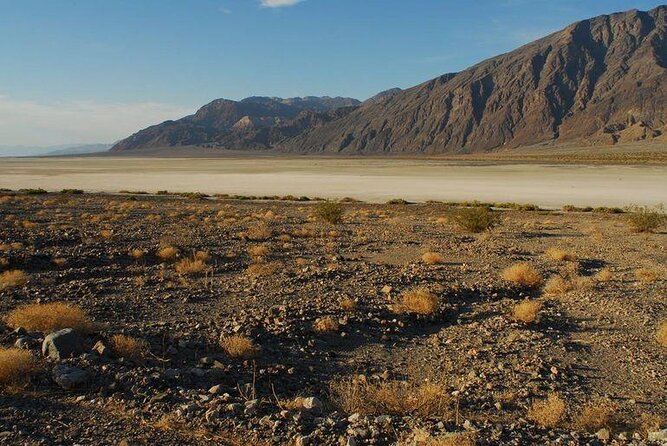
At Badwater Basin, the numbers are the attraction: the salt flat sits 282 feet below sea level, making it the lowest point in North America. A sea-level marker on the cliff helps you understand the depth of the basin, while the white salt surface spreads across the valley floor.
The stop lasts around 30 minutes. You can walk out onto the salt surface, take photographs, and look closely at the salt formations. The ground can be harsh, bright, and exposed, so sunglasses, sunscreen, and sensible shoes are useful even when the air feels mild.
Badwater is a place where you should slow down for a few minutes. The surface may look plain from a distance, but the patterns become more interesting as you walk. Do not expect shade or a long guided hike. This is a short, open-air stop in a severe environment.
Same night, a different way out:
- Dark Philly Adult Night Tour
★ 5.0 · 4,241 reviews - Washington DC Monuments by Moonlight Tour by Trolley
★ 4.5 · 3,956 reviews - Big Bus Las Vegas: Sightseeing Night Tour by Open-Top Bus
★ 4.0 · 3,612 reviews - Ghosts of Charleston Night-Time Walking Tour with Unitarian Church Graveyard
★ 4.5 · 2,835 reviews
Furnace Creek gives you a needed reset
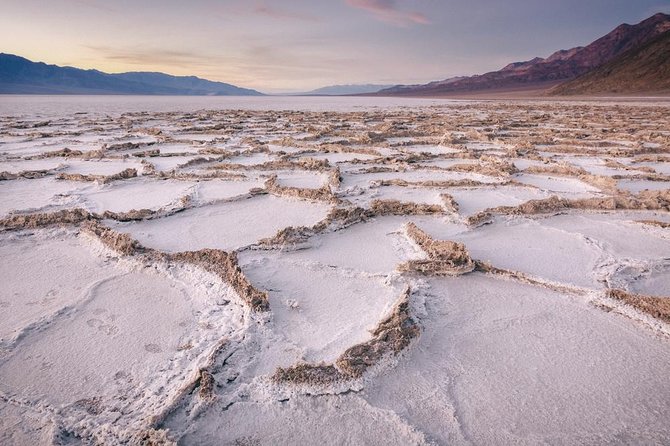
A break at the Furnace Creek Visitor Center divides the sightseeing into more manageable pieces. It is a practical stop for restrooms, a stretch, and a chance to learn more about the area. The tour does not include meals, so this is also a good moment to deal with food if the schedule allows.
The day includes several roadside and facility breaks, but this is still a remote park trip. There is no reason to wait until you are uncomfortable before using a restroom. The vehicle does not offer the kind of facilities or convenience you would find on a luxury coach.
Artists Palette adds color to the desert
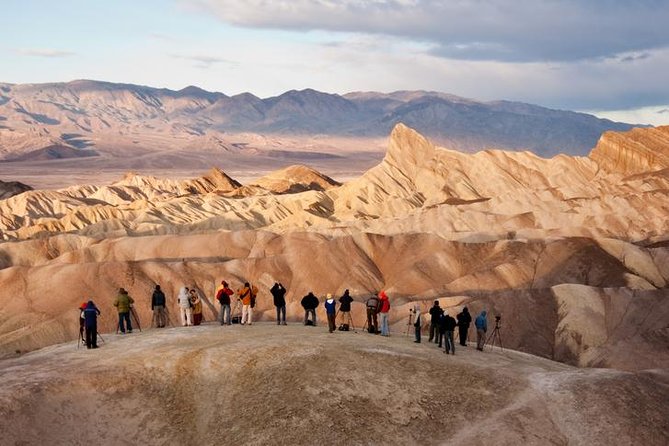
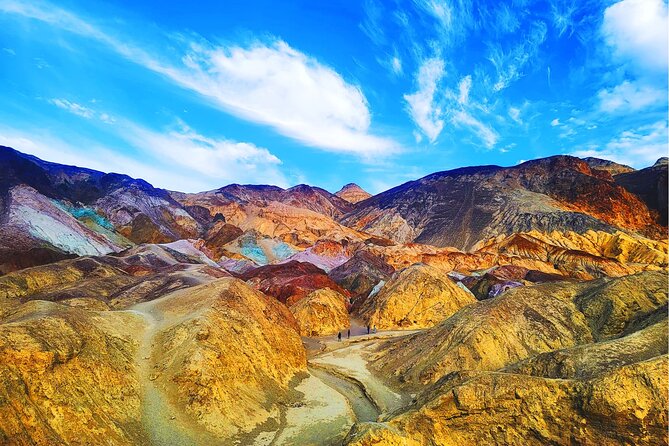
Artists Drive and Artists Palette provide the tour’s most unexpected colors. Mineral deposits in the Black Mountains create hills marked with pink, gold, green, and purple tones. The effect changes with the light, which is one reason the stop receives about an hour rather than a quick photo pause.
This is a good place for your camera, but do not expect the colors to look identical to every photograph you have seen. Sun angle, haze, and weather all affect the view. Your guide may also adjust the route if road conditions or a closure make this stop unavailable. In one such situation, Golden Canyon was used instead, offering a short walk and a different look at the park.
The tour is not built around strenuous walking. Most people will spend the day getting out for viewpoints, walking short distances, and returning to the vehicle. Athletic or hiking shoes are still the right choice because surfaces can be uneven.
Zabriskie Point carries the sunset
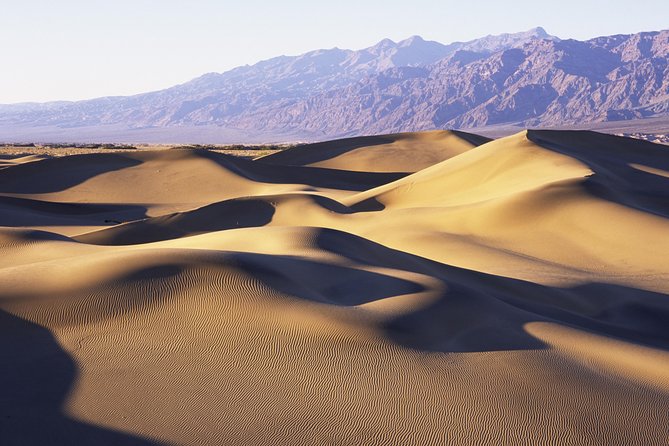
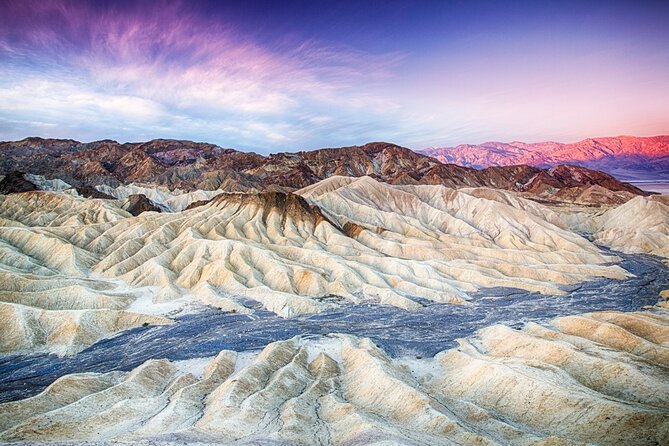
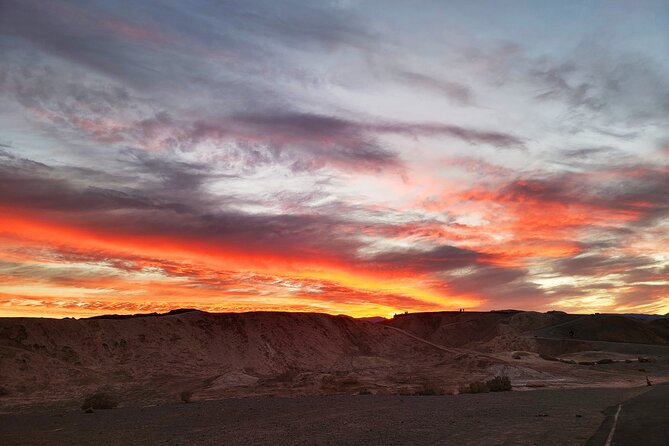
Zabriskie Point is the evening centerpiece. A short paved walk leads to a view over golden badlands, gullies, and folded ridges near Furnace Creek. The formations look especially striking as the sun drops and the colors shift from pale yellow to deeper gold and brown.
You get about an hour here, which is generous for a viewpoint. You can take portraits, find a quieter angle, and watch the light change instead of rushing through a five-minute stop. Guides often help with group photos, and the small group makes it easier to ask for a particular shot without holding up a large crowd.
This is also where the schedule can feel tiring. By sunset, you have already spent hours in the vehicle and visited several viewpoints. Bring a snack and a warm layer so you can enjoy the final light rather than simply counting the minutes until the return journey.
Stargazing is the special second half
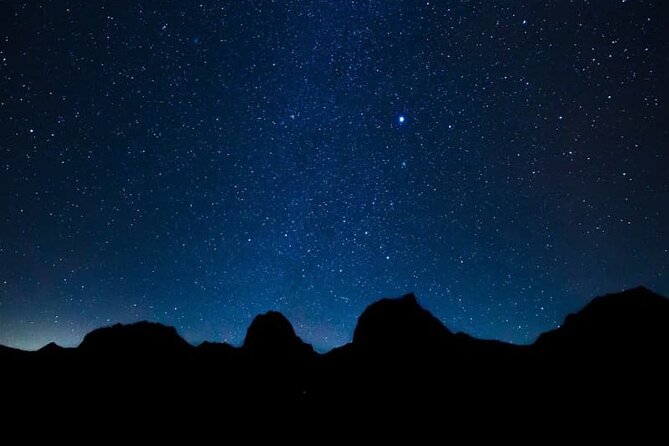
After sunset, the tour heads toward Death Valley Junction or another dark-sky location selected according to conditions. Stargazing takes place about 90 minutes after sunset. The delay gives the sky time to darken and allows the group to move away from the brighter parts of the park.
On a clear, moonless night, the experience can be striking. You may see far more stars than from Las Vegas, along with planets, constellations, and possibly the Milky Way. Guides can help identify features with a star app and may assist with phone settings for night photography. A tripod is not listed as part of the tour, so phone results depend on your device and the help available that evening.
The conditions matter more here than at any daytime stop. A full or bright moon washes out many stars. Clouds or rain can make the sky less rewarding, and poor weather can lead to a changed date or a full refund. Even a cloudy night may still offer a peaceful desert stop, but you should not book this solely on the promise of seeing the Milky Way.
The stargazing break lasts about 30 minutes. That is enough for a look at the sky and some photographs, though serious astronomy fans may want more time. For most people, the value comes from adding a completely different experience to a day already filled with scenery.
The return through Pahrump is late but useful
Pahrump provides a short rest stop on the way back to Las Vegas. You get about 15 minutes to stretch, use facilities, and reset before the final drive. Depending on the season and the day’s timing, you may reach Las Vegas between 10 p.m. and 1 a.m.
That late finish is part of the bargain. You cannot have sunset, a properly dark sky, and an early return all at once. If you have a morning flight, a late show, or a demanding next-day plan, check the timing carefully.
Airport pickup is not available, but airport drop-off can be requested in the special requirements field. Hotel pickup is offered from selected Strip and surrounding hotels, not every address in the Las Vegas area.
Comfort, group size, and what to pack
The tour uses a small vehicle rather than a large sightseeing coach. This keeps the group personal and helps the guide with photos, but legroom can feel limited during the long drives. One vehicle description mentions an estate car, and Wi-Fi, phone charging, cup holders, and tray tables should not be expected.
Pack for changes in temperature. Death Valley can feel hot and glaring in the daytime, while the night stop can be cold. I would bring:
- Layers, including a warm top for stargazing
- Walking or athletic shoes
- Sunscreen and sunglasses
- Snacks or money for the food stop
- A fully charged phone and portable battery
- Water-friendly camera storage and extra space for photos
The tour is designed for people who can manage a full day, repeated vehicle entry and exit, and short walks. The stated participation guidance allows children from age 4, but also says participants should be under 70 and free of health problems. That is a strict and unusual condition, so check it carefully before booking if your group includes older adults or anyone with medical concerns. Service dogs cannot be accommodated.
Is $249 a fair price?
I see the price as fair for the right person, but not automatically cheap. A self-drive trip may cost less for a couple or family if you are comfortable handling fuel, navigation, park fees, food, and a long drive after dark. It also gives you more freedom to linger.
This tour earns its price through convenience and coverage. You see the best-known viewpoints in one day, avoid the work of planning a large remote route, receive park admission and water, and stay for the stars. The guide’s photo help adds real value if you are visiting alone or want pictures of your whole group.
It is a weaker deal if you want a roomy vehicle, included meals, long hikes, photography instruction, or a guaranteed Milky Way. The trip gives you a broad introduction rather than a slow, specialist visit.
Who should book this Death Valley day trip?
I would choose it for a first visit from Las Vegas, especially if you have only one free day and want the park’s major sights without renting a car. It also suits solo visitors, couples, and small groups who appreciate help with photographs and do not want to drive home through the desert at night.
Families can participate if children meet the minimum age and can handle a long day. People with limited mobility may appreciate the short walks and frequent breaks, though the vehicle and roadside surfaces still require some physical ability.
I would look elsewhere if your priority is an early return, luxury transport, extensive hiking, or guaranteed clear stars. The best version of this tour depends on weather, moonlight, road access, and your tolerance for a very long day.
Should you book it?
Book this tour if you want Death Valley’s signature viewpoints plus a real night-sky stop and you value having the route, driving, park fee, and timing handled for you. The combination of Dante’s View, Badwater Basin, Artists Palette, Zabriskie Point, sunset, and stargazing is a lot to fit into one outing.
Skip it if $249 feels high for a day without meals or if a cramped vehicle and late return would spoil the experience. For most first-time visitors staying in Las Vegas, though, this is a practical way to trade neon lights for salt flats, desert color, and a sky full of stars.
FAQ
Is hotel pickup included?
Yes. Pickup and drop-off are offered from selected hotels on the Las Vegas Strip and in surrounding areas. The guide sends the exact pickup time and details by text or email the day before.
What time does the tour leave Las Vegas?
Pickup varies by season. Stated pickup times are about 9 a.m. from January through February, 10:30 a.m. from March through May, 12:30 p.m. from June through August, 11 a.m. from September through October, and 8:30 a.m. from November through December.
How late does the tour return?
Return times vary by departure and season. The general range is 8 p.m. to 2 a.m., with the Pahrump stop and final Las Vegas drop-off often occurring between 10 p.m. and 1 a.m.
Is airport pickup available?
No. Airport pickup is not available, but airport drop-off may be requested after the tour by noting it in the special requirements field.
Are meals included?
No. Bottled water, park admission, fees, and taxes are included, but meals are not. The tour may stop at a sandwich shop or Chinese buffet, and vegetarian choices are available at both.
How much walking is involved?
This is not a trekking tour. Most stops involve short walks to viewpoints and time for photographs, with about one hour at Artists Palette and Zabriskie Point.
When does stargazing take place?
Stargazing takes place about one hour and 30 minutes after sunset. The exact location can change based on sunset time and weather.
Can I see stars on any date?
No. A bright or full moon, heavy cloud, or rain can make many stars difficult or impossible to see. If poor weather causes the tour to be canceled, you are offered another date or a full refund.
What is the cancellation policy?
You can cancel for a full refund up to 24 hours before the experience starts. Changes or cancellations made less than 24 hours before departure are not accepted for a refund.
Just added for nights around the USA
- Alexandria: Ultimate Dead of Night Walking Ghost Tour★ 4.4 · 11 reviews
- The Everglades: 1-Hour Airboat Night Tour★ 4.4 · 42 reviews
- Public or Private DC Moonlight Tour by E-Cart or Vintage Car★ 5.0 · 97 reviews
- San Francisco: Alcatraz Jailhouse Night Tour★ 4.2 · 136 reviews
- San Francisco: Alcatraz Night Tour with SF Bay Cruise★ 4.5 · 102 reviews
- San Francisco Double Decker Bus Night Tour★ 4.3 · 95 reviews
- Private Night-Time Monuments Tour of DC for up to 10 Guests★ 5.0 · 326 reviews
- 3-4 Hour Private DC City Moonlight Tour by Van★ 4.5 · 142 reviews