
Review · AUSTRALIA
Bonorong Wildlife Sanctuary Guided Night Tour
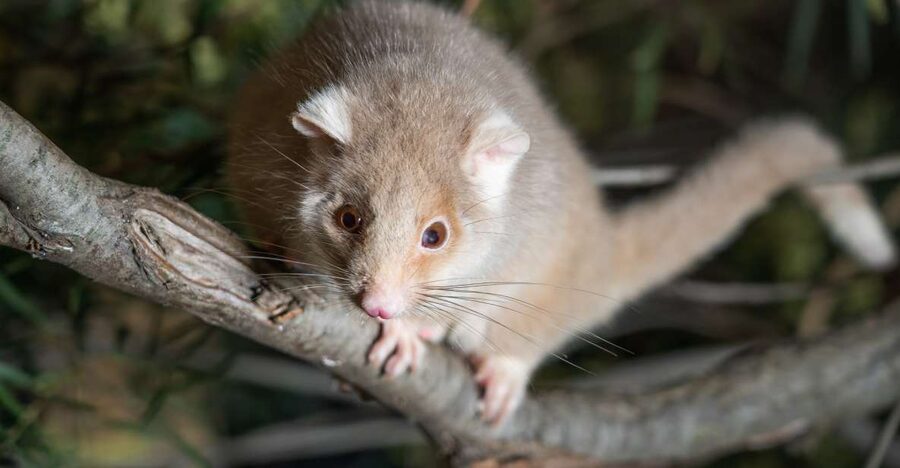
Bonorong’s night tour turns feeding time into your main event. Instead of watching wildlife from a path, you move with a keeper through the sanctuary as daylight animals finish dinner and nocturnal animals wake for breakfast. Tasmanian devils are the headline act, but the smaller creatures often steal the show.
I like the small groups, which give you a real chance to take part rather than stand behind a crowd. I also like the sanctuary’s rescue focus: you meet animals recovering from injury or growing up without parents, and learn how their care may help them return to the wild. The main drawback is that feeding and patting are never guaranteed, since animal welfare comes first.
Key points to know before you book
- Feed Tasmanian devils: Help the keeper serve dinner to Bonorong’s devils when conditions allow.
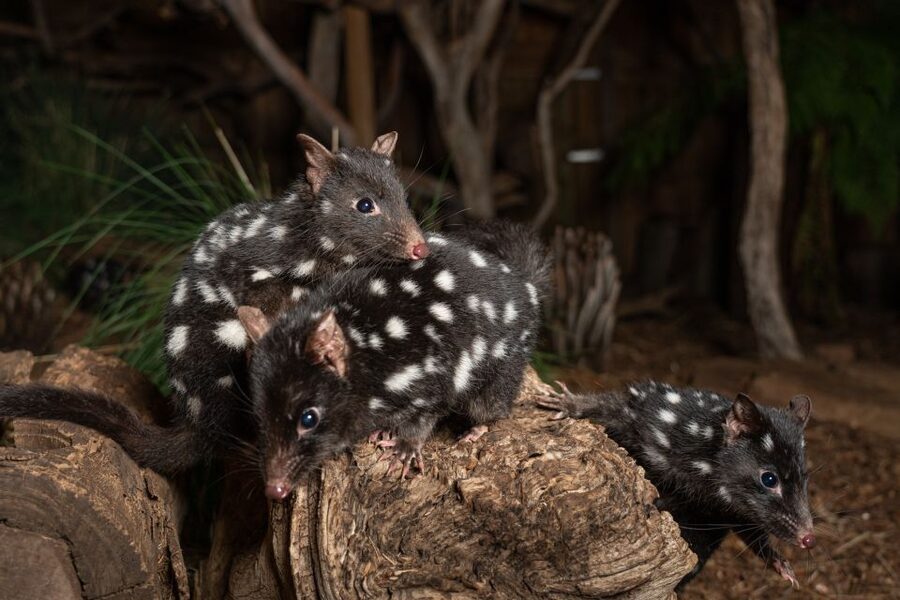
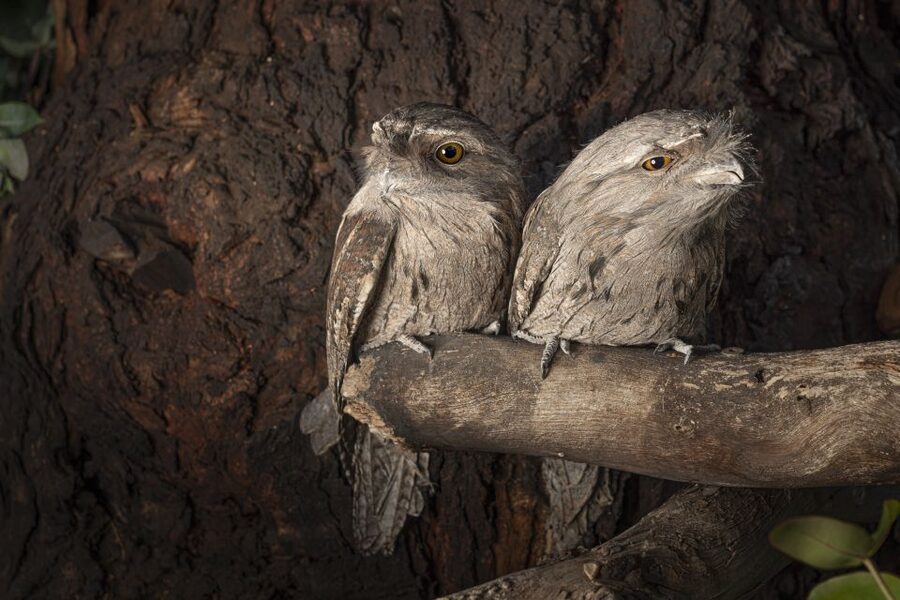
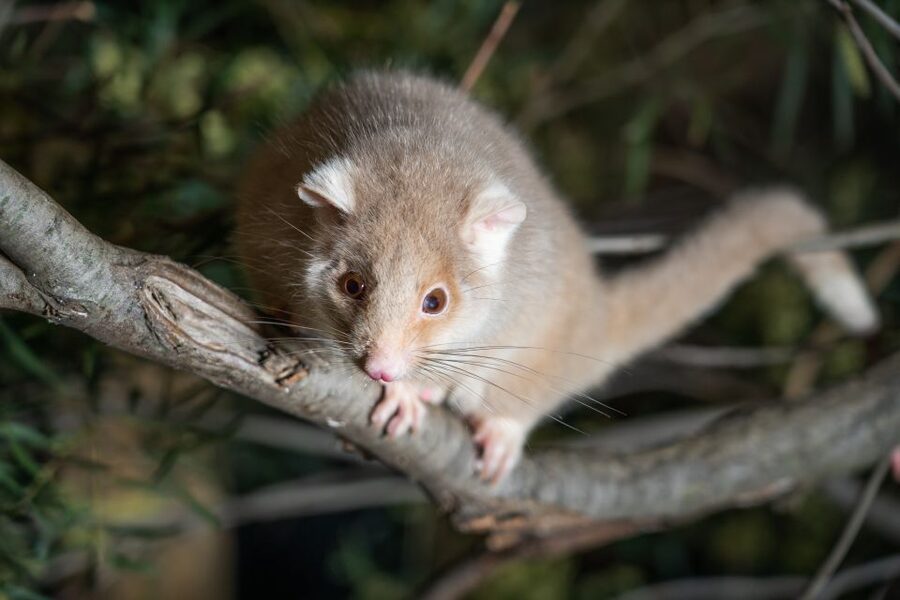
- Meet nocturnal Australian wildlife: Look for Eastern quolls, tawny frogmouths and sugar gliders during their active hours.
- Small group format: Your group has a dedicated guide, giving you more personal time with the animals.
- See rescue work up close: Many animals are injured, orphaned or being prepared for a possible return to the wild.
- Plan for the weather: Bring warm clothing and comfortable shoes, since the tour runs outdoors in the evening.
- Allow 2.5 hours: The price is $115 per person, including sanctuary admission, feeding and the guide.
Why Bonorong feels different after dark
During normal daytime sightseeing, you often see Australian animals resting, hiding or blending into the background. At Bonorong, the night schedule changes the mood. The animals that sleep through much of the day begin to stir, while the daytime residents settle into their evening routine.
The tour is built around feeding, but it is not simply a line of food bowls. Your keeper takes you into the animals’ world and explains what each creature needs. You may be offered the chance to feed or pat an animal, but you cannot hold one, and the keeper decides what is suitable at each stop.
That rule is important. It keeps the experience from becoming a petting zoo visit and gives the animals control over the contact. If a keeper asks you to step away from an enclosure, you need to do so at once. This is a working sanctuary, not a stage show.
The English-speaking guide stays with your group throughout the experience. Guide Johnny has been singled out for his friendly manner on some departures, but staff assignments can change. The important point is that you have a dedicated keeper rather than trying to follow a large public presentation.
More night safaris and wildlife walks around Australia:
- Blue Mountains Hiking Glow worms Cave Wildlife Spotlighting Night Adventure
★ 5.0 · 165 reviews - Busselton: Nocturnal Animal Tour
★ 4.9 · 50 reviews - Cradle Mountain Wildlife Spotting after Dark
★ 4.0 · 8 reviews
The evening begins with daylight animals
Your visit starts with the animals that are still finishing their day. The exact order can change, but the tour includes feeding across much of the sanctuary. This creates a useful contrast: you first see the evening routine of daytime residents, then move toward the animals that are just beginning theirs.
A special stop is the mob of Forester kangaroos. These large kangaroos are known here as friendly, and meeting them gives you a chance to see a familiar Australian symbol at close range without reducing the experience to a quick photograph.
The kangaroo encounter also helps set expectations for animal contact. You may be allowed to pat an animal under supervision, but the keeper controls the interaction. Do not assume that every animal will come forward or accept food. The appeal is the chance to take part when the animal’s behavior and welfare make it sensible.
For families, this part can be especially memorable. Children see that wildlife is not a collection of cartoon characters waiting for attention. They learn to watch body language, listen to the keeper and wait patiently.
Feeding Tasmanian devils at dinner
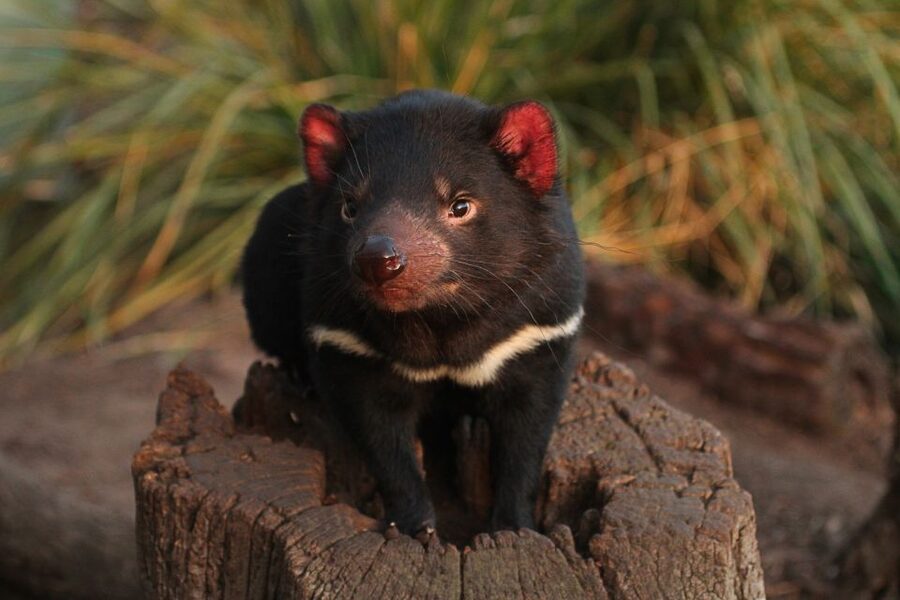
The Tasmanian devil feeding is the tour’s strongest moment for many visitors. You help the guide feed the devils their dinner, giving you a close look at one of Tasmania’s best-known native animals.
The experience is not presented as a stunt. The keeper gives instructions, and you follow them carefully. Tasmanian devils are powerful, wild animals, so this is one place where listening matters more than getting the perfect photograph.
I like this part because the feeding has a purpose beyond excitement. The keeper can explain the animals’ care, their behavior and the work required to support them. You also see why a sanctuary must balance public contact with strict boundaries.
Do not book this tour expecting to hold a devil. Participants are not allowed to hold animals. Feeding may be offered when appropriate, but it is not promised for every person or every animal. That uncertainty is a fair trade for a more responsible encounter.
Eastern quolls, frogmouths and sugar gliders
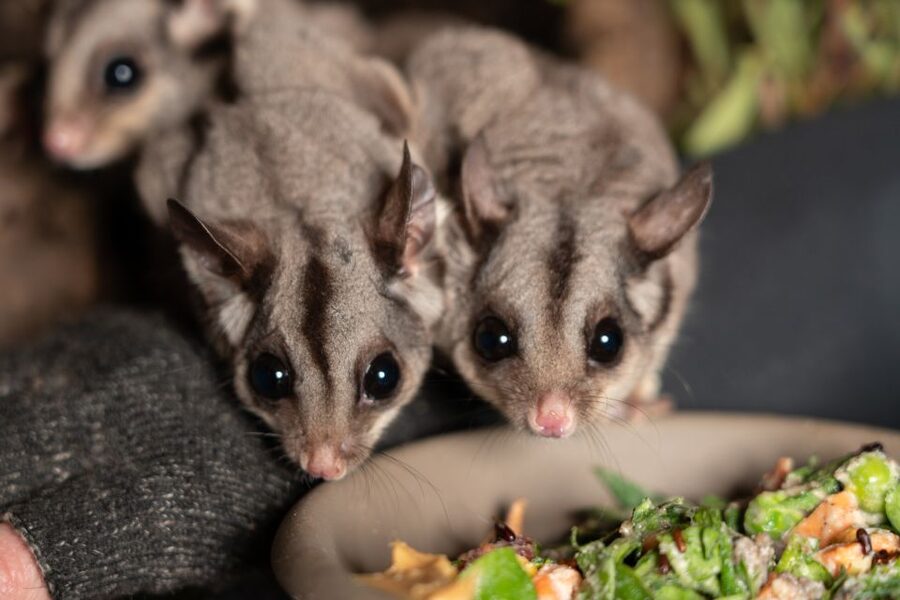
The smaller nocturnal animals give the tour its odd and wonderful character. Eastern quolls, tawny frogmouths and sugar gliders are all included among the creatures you may meet and feed.
Eastern quolls are a highlight for anyone interested in unusual Australian wildlife. They are not as instantly familiar as kangaroos or devils, which makes a keeper-led encounter more useful. You get context for the animal instead of simply seeing a name on a sign.
Tawny frogmouths can look almost unreal, with their still posture and unusual shape. Their appearance makes them a favorite stop, but the keeper’s guidance helps you understand that this is a living bird with specific needs, not a prop for photographs.
Sugar gliders bring a different kind of energy. Their small size and nocturnal habits make them hard to appreciate during a standard daytime visit. Here, the timing works in your favor, since the tour takes place when these animals are beginning their active period.
Feeding gives you a reason to slow down. Rather than rushing from one enclosure to the next, you watch for movement and wait for the keeper to explain what is happening. That pace suits the subject. Wildlife is rarely punctual.
More guided evenings out around Australia:
- Melbourne: Guided Night-Time Food Walking Tour
★ 4.7 · 76 reviews - Guided Evening Glow Worm Experience – Byron Bay
★ 4.8 · 9 reviews - Waitomo: Glowworm Caves Guided Tour by Boat
★ 4.5 · 4,908 reviews - London: Christmas Lights Nighttime Bus Tour with Live Guide
★ 4.1 · 3,720 reviews
The sanctuary’s rescue work is part of the experience
Bonorong is not only showing you native animals. Many of the residents are survivors of injury or are orphans. The keeper explains how the sanctuary cares for them and how that care may help them return to the wild.
This can be the most meaningful part of the evening, especially if you want more than animal contact. You see that rehabilitation involves practical work, close observation and decisions about what an animal can safely manage.
Not every resident will be releasable. Some animals may need permanent care because their injuries or circumstances prevent them from surviving alone. The tour gives you a clearer picture of that distinction without pretending that every rescue story has a simple ending.
I would pay attention to this section even if your main reason for booking is the Tasmanian devil feeding. It gives the encounter a useful conservation frame and helps explain why the keepers sometimes limit contact or cancel a particular activity.
How the 2.5-hour format works for you
The tour lasts about two and a half hours, usually in the evening. That is long enough to visit a wide range of animals without turning the night into an exhausting full-day outing.
Because the tour follows feeding routines, the pace is not fully in your control. Some stops may be brief if an animal is not interested, while others may take longer when the animals are active. You should arrive ready for a flexible schedule rather than a tightly timed show.
Small group size is one of the best practical features. Your group has a guide assigned to it, so you have more opportunity to ask questions and take part. A small group also makes it easier to hear instructions and see what is happening around an enclosure.
You need to arrive 15 minutes before departure. Transport is not included, so you must make your own way to Bonorong Wildlife Sanctuary. Food and drinks are also not included, so plan your evening around that detail rather than expecting a meal during the tour.
What to wear and bring
Tasmania can feel cold after sunset, and the tour specifically recommends warm clothing. Bring more warmth than you think you need, particularly if you are visiting outside the warmer months.
Comfortable shoes matter because the experience involves moving around the sanctuary. Wear comfortable clothes that allow you to walk and stand for parts of the evening. You do not need special equipment based on the information provided.
A camera may be useful, but do not let it dominate the visit. Night conditions and animal movement can make photographs difficult. You will get more from the tour if you listen to the keeper and watch the animals first.
Is $115 a fair price?
At $115 per person, this is not the cheapest way to see Australian wildlife. The price includes sanctuary admission, the 2.5-hour night tour, feeding opportunities and a guide, but not transport, food or drinks.
I think the value depends on what you want. If you only want to see kangaroos in a general wildlife park, a regular daytime visit may be enough. If you want an after-hours encounter with a small group, feeding opportunities and a keeper who explains the animals’ care, the price is easier to justify.
The dedicated guide is the key value. You are paying for access at a special time, not just entry through the gate. The night schedule also gives you a chance to see animals that may be quiet or hidden during the day.
Keep the limitations in mind. You may not feed every animal, and you cannot hold them. Some contact may be replaced by observation if weather, animal behavior or welfare requires it. Those limits are not a failure of the tour. They are part of what makes the sanctuary’s approach responsible.
Who should book the night tour?
I would recommend it to anyone with a strong interest in Australian wildlife, especially if Tasmanian devils and unusual nocturnal animals are high on your list. It also suits visitors who prefer a guided encounter over a self-guided walk through enclosures.
Families can enjoy it, but children under 16 must be accompanied by a paying adult. Parents and guardians remain responsible for participating children throughout the tour. Children who can listen carefully and wait their turn will get more from the experience than children expecting to handle every animal.
The tour also suits photographers and wildlife fans, with one caution: feeding and close contact are not guaranteed, so you should not treat it as a fixed photo session.
It is less suitable if you need a completely predictable itinerary, dislike evening cold or want guaranteed hands-on contact. The animals set the limits, and staff may ask you to leave an enclosure at any time.
The tour is wheelchair accessible, which makes it an option for more visitors, although you should still consider your own comfort with evening movement and the sanctuary’s conditions.
Weather, cancellations and booking flexibility
Severe weather or animal welfare concerns can lead to cancellation. If that happens, you are offered an alternative encounter or a full refund. This policy reflects the sanctuary’s priorities and gives you some protection when conditions make the planned experience unsuitable.
You can cancel up to 24 hours before the tour for a full refund. Since the tour is usually scheduled in the evening, leave enough room in your Hobart plans to arrive 15 minutes early and reach the sanctuary without relying on included transport.
Should you book Bonorong’s night tour?
Book it if you want a close, guided look at Tasmanian wildlife and value the chance to help with feeding rather than simply observe from a distance. The combination of Tasmanian devils, Forester kangaroos, quolls, frogmouths and sugar gliders gives the evening plenty of variety.
I especially recommend it for visitors who want their wildlife experience tied to rescue and rehabilitation. You learn how injured and orphaned animals are cared for, while the small group keeps the evening personal.
Skip it if your budget is tight, you need guaranteed animal contact or you are already planning several wildlife encounters. For the right visitor, though, $115 buys more than admission. It buys time with a keeper, access after dark and a respectful look at the animals that make Tasmania special.
FAQ
How long is the Bonorong Wildlife Sanctuary night tour?
The tour lasts 2.5 hours and is usually available in the evening.
How much does the tour cost?
The price is $115 per person. Admission, the night tour, feeding and a guide are included.
Can I hold the animals?
No. Participants cannot hold animals. You may be allowed to pat some animals under the keeper’s supervision.
Am I guaranteed to feed the animals?
No. Feeding opportunities depend on what the keeper considers suitable, so they are not guaranteed.
Are children allowed on the tour?
Yes. Children under 16 must be accompanied by a paying adult, and parents or adult guardians are responsible for participating children.
What should I bring?
Bring comfortable shoes, warm clothing and comfortable clothes. You must arrange your own transport, and food and drinks are not included.
Just added for nights around Australia
- Perth: Swan River and Beaches of Perth Sunset Picnic Dinner★ 4.6 · 13 reviews
- Perth: City of Lights Tour with Dessert★ 4.9 · 14 reviews
- Perth: Gravity Discovery Centre Nighttime Experience Ticket★ 4.1 · 22 reviews
- Melbourne: Guided Night-Time Food Walking Tour★ 4.7 · 76 reviews
- Busselton: Nocturnal Animal Tour★ 4.9 · 50 reviews
- Hahndorf After Dark Walking Tour with meal included★ 4.9 · 5 reviews
- Guided Evening Glow Worm Experience – Byron Bay★ 4.8 · 9 reviews
- Gold Coast: Natural Bridge Glow Worm Night Tour★ 4.6 · 37 reviews
Australia Night Tours, compared.
Gold Coast: Evening Rainforest and Glow Worm Experience
Read our review →
Byron Bay: Glowworms, Waterfalls & Rainforest Experience
Read our review →
Atherton Tablelands Rain Forest by Night from Cairns
Read our review →
Brisbane: Sunset City Lights Cruise 5.30pm or 6pm *seasonal
Read our review →
Brisbane: Rainforests, Waterfalls and Glow Worm Cave Tour
Read our review →
Springbrook andTamborine Rainforest Tour Incl Natural Bridge and Glow Worm Cave
Read our review →
Brisbane: Daytime Glow Worm Caves Hop-on Hop-off Bus Tour
Read our review →
Brisbane: Springbrook and Mt Tamborine Glow Worm and Skywalk
Read our review →Browse the lists this tour appears in