
Review · COCOA BEACH
Bioluminescence Kayak Tour
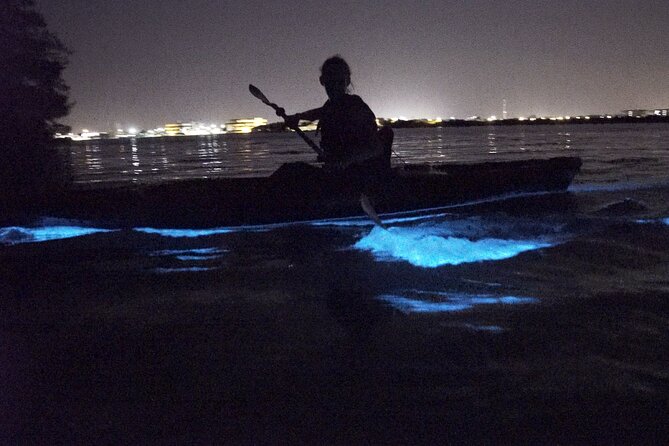
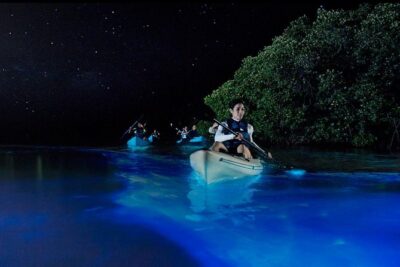
As darkness settles over the Indian River Lagoon, every paddle stroke can stir blue-green light. Tiny dinoflagellates flash around your kayak, while fish, dolphins, manatees, and jumping mullet may appear in the black water near Merritt Island.
I like two things here: the science is part of the fun, and the water is calm enough for first-time kayakers. I also like that winter offers a different show, with harmless glowing comb jellies you may be able to hold. The catch is simple: nature controls the spectacle, and some nights produce only a few sparkles.
Key things to know before you paddle out
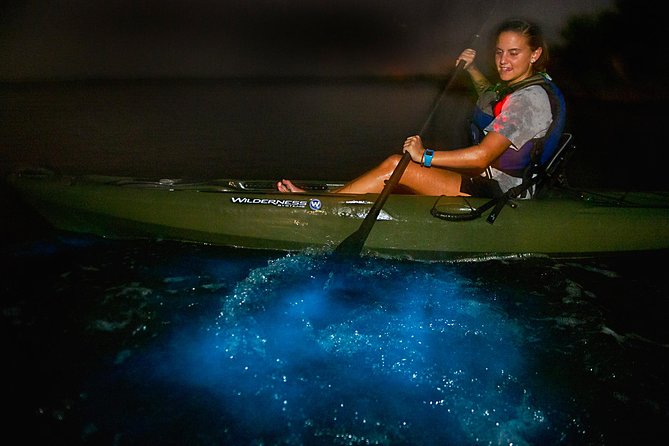
- Summer means glowing plankton: Dinoflagellates create a cloudy blue-green glow from May through early November.
- Winter means glowing comb jellies: From late November through April, look for individual clear creatures that do not sting.
- The tour lasts about two hours: You launch and return at 951 Kiwanis Island Park Road on Merritt Island.
- Guides make a real difference: Guides including Matt, Aidan, Caleb, Zoey, Sean, Drew, Jordan, and Jorge have been praised for safety help and clear explanations.
- You may get wet: Wear water-friendly shoes and clothes you do not mind splashing.
- The best show is never guaranteed: Moonlight, clouds, local light, water conditions, season, and natural cycles all affect what you see.
What makes this night paddle special
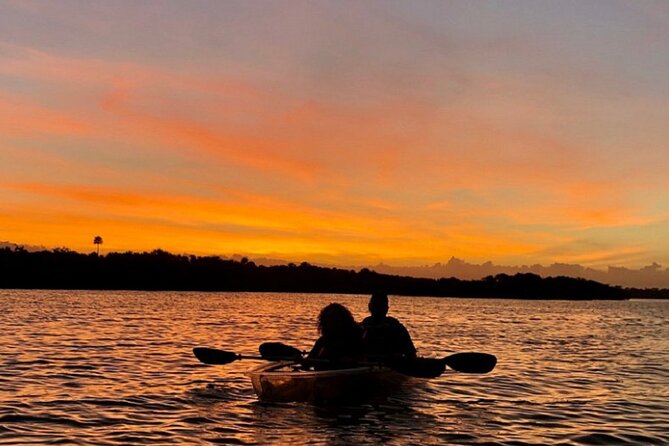
This is not a kayak trip with a guaranteed light display. It is a guided outing into one of Florida’s most bio-diverse estuaries, where the main attraction is alive, changing, and sometimes shy.
That uncertainty is part of the appeal, but it also shapes your expectations. On a strong summer night, a paddle or a fish moving through the water can set off a broad blue-green shimmer. On a weaker night, you may see only scattered points of light. In winter, the show is often more personal: you look for clear comb jellies, then watch their edges glow as they move through the water.
The setting helps. The Indian River Lagoon and nearby Mosquito Lagoon are lined with mangroves and palms, and the water is generally calm enough for a relaxed paddle. You are not racing across open ocean. You are moving through a protected estuary after dark, with the sounds of water, wildlife, and paddles replacing the usual beach activity.
More Night Kayak Tours in the USA
- Bioluminescence Night Kayaking Tour of Merritt Island Wildlife Refuge
★ 4.5 · 605 reviews - Florida Bioluminescence Kayaking Tour (Titusville)
★ 4.5 · 350 reviews - Bioluminescent Clear Kayak Tours in Titusville
★ 5.0 · 321 reviews
Meeting at Kiwanis Island Park
The tour begins at 951 Kiwanis Island Park Road, Merritt Island, Florida 32953. This is north of Cocoa Beach, so check the drive from your hotel before booking a late departure. The activity ends at the same place.
Give yourself time to find the meeting point and get organized. One person reported waiting in the dark when the guide was not immediately visible, while another account noted that the meeting information needed confirmation. Those cases appear to be exceptions, but I would still keep the operator’s phone number handy and check the exact meeting details before leaving your hotel.
The group can reach up to 42 people. That is a sizable outing, although the kayaks are spread across the water once the trip begins. Smaller departures can feel more personal, especially when the guide can adjust the pace to the people in front of them.
Getting into the kayak after sunset
Your guide supplies the kayak, paddle, and personal flotation device. Safety lights are provided, and you may bring a flashlight if you wish.
The launch and first few minutes are important if you have never kayaked. Aidan has been especially praised for explaining the basic strokes and helping a nervous first-time paddler feel ready. Other guides, including Zoey and Matthew, have also been noted for helping people get in and out and keeping the group together.
You do not need to be an expert paddler, and the trip is described as low-stress for families. Still, it is physical activity. One account described a longer paddle and somewhat rough water, while another found the outing easy and gentle. Conditions can change, so tell your guide if you are new to kayaking or need a slower pace.
Wear water shoes, sandals, or Crocs that can get wet. Bring clothes you do not mind splashing, plus a dry change of clothes in the car. A towel is useful afterward. The water may be warm in summer, while winter evenings can feel cold once you are sitting still in a kayak.
The summer show: dinoflagellates from May to early November
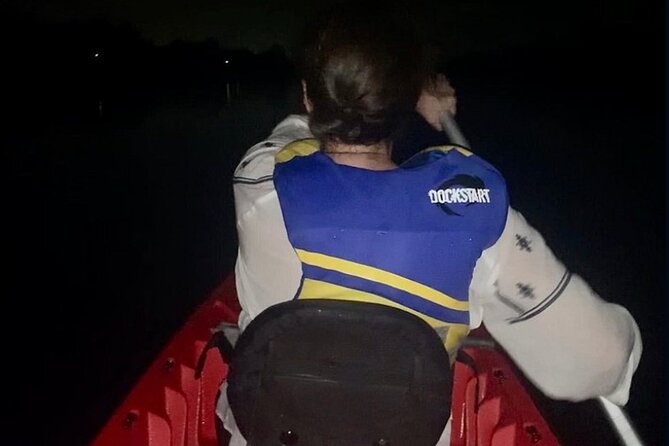
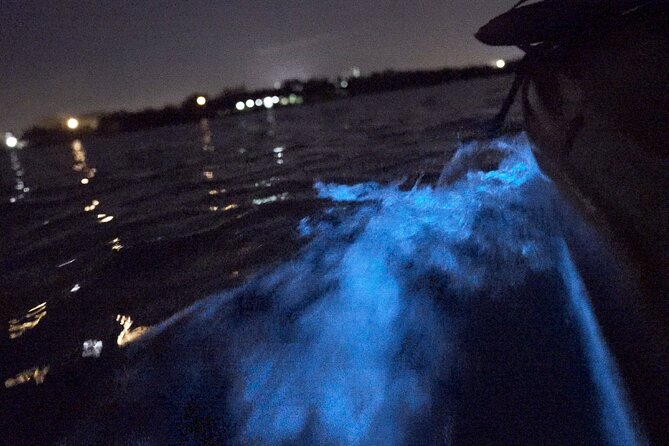
During the warmer months, the main target is the dinoflagellate. These single-celled organisms can produce a cloudy blue-green glow when disturbed.
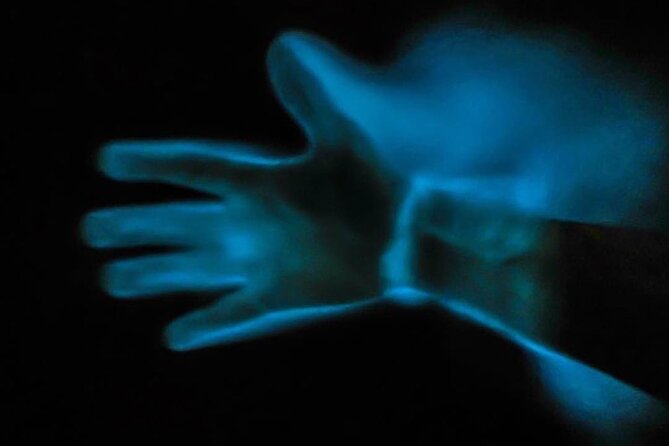
The effect is easiest to understand when you make a small movement in the water. A paddle stroke may leave a faint trail. A fish can flash through the darkness. A hand moved through the water may create a brief glow around your fingers.
Do not expect the whole lagoon to shine like a theme-park display. The brightness depends on natural conditions, and even during the listed peak season, one night can be much stronger than another. Some outings produce a memorable, galaxy-like effect. Others offer only a few glowing traces.
That difference matters when you decide how much to spend and how to plan your evening. If seeing intense bioluminescence is your only goal, summer is the safer choice. If you mainly want a quiet night kayak with a chance of glowing water, the experience can still work outside the strongest period.
Clear skies and a darker moon can improve the mood, but you should not treat the moon phase as a guarantee. Local light pollution has affected some outings, and the launch area may not feel completely dark. Ask about current conditions and the best departure time when you arrive.
More glowing-water tours around the USA:
- Phuket: Phang Nga Bay Bioluminescent Plankton and Sea Canoes
★ 4.8 · 2,321 reviews - Krabi 4 Island Sunset Snorkeling Cruise + Bioluminescent Swim
★ 5.0 · 1,861 reviews - Bioluminescent Bay Kayak Trip from Vieques
★ 4.5 · 1,112 reviews - Night Bioluminescence Snorkel Tour
★ 5.0 · 987 reviews
The winter show: comb jellies from late November to April
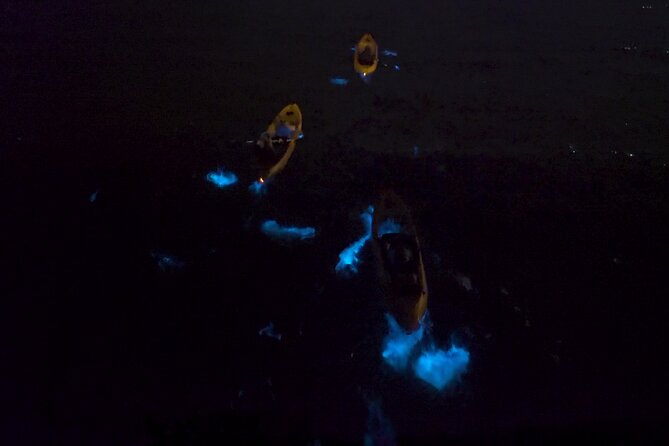
Winter changes the experience. Instead of searching mainly for a broad cloud of glowing plankton, you look for comb jellies, clear, soft-bodied creatures that move through the water with rows of tiny cilia.
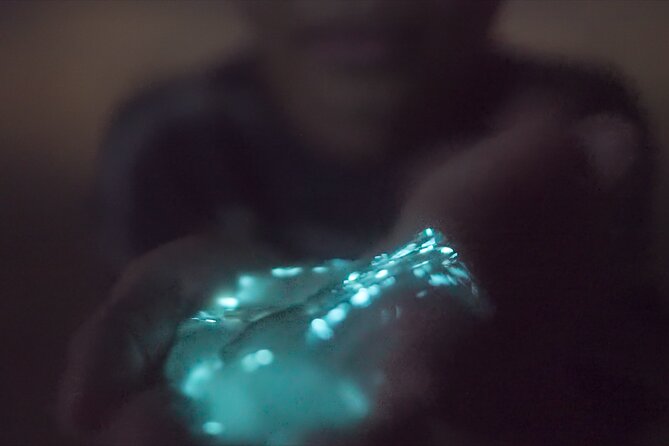
These jellies do not sting. When conditions are right, the guide may use a net to help you see them, and you may be able to catch and hold one briefly in your hands. That close look is one of the most unusual parts of the tour. The creature can look almost invisible until it catches the light and glows.
Winter outings have produced glowing jellies, jumping fish, and occasional larger wildlife, even when the plankton glow was weak. One February trip had plenty of jellies but little of the summer-style algae effect. That makes the seasonal choice straightforward:
- Choose summer for the best chance of blue-green glowing water.
- Choose winter if you like the idea of seeing individual comb jellies up close.
- Choose either season if the night paddle and estuary wildlife appeal to you as much as the glow.
A practical note: equipment availability can affect the experience. One account mentioned that there were not enough nets for every boat. That may not happen on your trip, but it is another reason to think of the comb jelly viewing as a possibility, not a promise.
Wildlife beyond the glow
The bioluminescence gets top billing, but the lagoon can provide extra surprises. Fish may dart beside the kayaks, and mullet sometimes leap suddenly from the water. Dolphins and manatees have also appeared on outings.
A manatee surfacing close to a kayak can be thrilling, but wildlife is not scheduled entertainment. You might see several animals, or none at all. Keep your hands and paddle under control near wildlife, and follow the guide’s instructions if something large surfaces nearby.
The area’s wildlife also gives the guide something useful to discuss when the glow is faint. Sean, Caleb, Jorge, Drew, and others have been praised for explaining local animals, estuary life, and the science behind bioluminescence. Sean, in particular, has been described as someone who enjoys explaining the biology in detail, even down to how the light-producing process works.
That knowledge adds value to the trip. You are not simply paddling into the dark and hoping for a lucky sighting. You get context for what is moving around you and why the lagoon supports so much life.
How the two-hour itinerary usually feels
The exact route can change with water, wind, wildlife, and the location of the strongest activity. The basic shape is consistent: meet the guide, receive equipment and safety instructions, launch, paddle into the darker water, look for glowing organisms and wildlife, then return to the starting point.
The first stretch is about finding your rhythm. Night kayaking feels different from daytime paddling because your view is limited and the group’s lights become important reference points. The guide may paddle backward or pause often to keep everyone together. This is especially helpful in a larger group.
Once you reach the area chosen for viewing, the pace becomes slower. You may stir the water with your paddle, watch for fish, or examine comb jellies if they are present. This is the point where patience helps. A few minutes can pass with little activity, followed by a sudden flash from a fish or a glowing trail around your paddle.
The return trip is usually calmer in spirit, though wind can make it harder. The total time is about two hours, which gives you enough time for instruction, paddling, wildlife watching, and a return without turning the outing into an all-night expedition.
What to bring and what to leave in the car
Bring bottled water and snacks if you need them. You can also bring personal paddling equipment, though the basic kayak gear is supplied.
A camera and dry bag are optional. A camera may capture people in the kayaks, but ordinary cameras and phone cameras are not very good at recording faint bioluminescence. You will often see more with your eyes than your screen can show.
Leave your towel and dry change of clothes in the car until the tour ends. The trip may be gentle, but splashes are normal, and one account specifically advised being prepared to get soaked. A flashlight is allowed, but the company provides a safety light.
Is the tour suitable for children and beginners?
The outing suits families, couples, solo paddlers, and first-time kayakers. A five-year-old reportedly handled the trip well, and young children have enjoyed the glowing creatures and wildlife. That does not mean every child will love sitting quietly in a dark kayak for two hours, so consider your child’s comfort with water, darkness, and following instructions.
First-time adults should not feel embarrassed. Guides have helped nervous paddlers learn the basic movements and get comfortable before heading farther out. The water is often calm, but some nights bring wind or chop. If you have concerns about balance, stamina, or getting in and out, discuss them with the guide at the start.
The trip is not presented as an advanced kayaking expedition, but one account found the paddle longer and rougher than expected. I would treat it as beginner-friendly under normal conditions, not effortless in every condition.
Guide quality and the value of the experience
The guide is a major part of what you are buying. A strong guide keeps the group together, explains how to paddle, watches the weather, and gives you something useful to focus on when nature is quiet.
Several guides have received warm praise for their individual style. Matt has been noted for clear science explanations. Aidan helped a first-time paddler feel secure. Caleb has been praised for adjusting the trip to the group and explaining local sea life. Zoey has been described as attentive to energy levels and willing to help when the water became choppy. Drew, Jordan, Jorge, Lucas, Sean, and others have also been singled out for humor, safety, and local information.
There have also been less satisfying departures, including one with a late start, weak instructions, and little visible bioluminescence. That is worth keeping in mind. The operator has many positive guide experiences, but staffing and conditions can vary.
No tour price was provided here, so I cannot judge the exact dollar amount. For value, I would ask what you are really paying for: a two-hour kayak rental, safety support after dark, local interpretation, and a chance to see a natural event that cannot be guaranteed. If the price is close to a standard kayak rental, the guide and nighttime setting add good value. If you are paying a premium only for a guaranteed blue glow, the risk is higher.
Cancellation and practical planning
You can cancel up to 24 hours before the start time for a full refund. Cancellations or changes within 24 hours are not refunded, so check the weather and your schedule early.
High winds can cancel a trip. One cancellation led to a dispute over credit versus a refund, so confirm the current procedure if weather affects your departure. This is especially important if you are visiting Cocoa Beach briefly and will not have another day available.
Should you book the Cocoa Beach bioluminescence kayak tour?
I would book this if you want a calm, unusual night on the water and can accept an uncertain wildlife show. It is a particularly good fit for families with curious children, first-time kayakers, couples looking for something different, and anyone interested in Florida’s estuary life.
For the brightest blue-green plankton effect, choose a summer date from May through early November and ask about current conditions, light pollution, and the best departure time. For glowing creatures you can examine up close, winter can be rewarding, especially from late November through April.
Do not book it expecting a guaranteed spectacle every night. Book it for the combination of darkness, paddling, wildlife, science, and the chance that your paddle will set the water glowing. On the right night, that is more than enough.
FAQ
Where does the bioluminescence kayak tour meet?
The meeting point is 951 Kiwanis Island Park Road, Merritt Island, Florida 32953. The activity ends back at the same location.
How long does the tour last?
The guided kayak tour lasts approximately two hours.
What type of bioluminescence can I see?
From May through early November, the main display comes from dinoflagellates, which can create a cloudy blue-green glow. From late November through April, you may see individual glowing comb jellies.
Do comb jellies sting?
No. The comb jellies described for this tour do not sting.
Can I hold a comb jelly?
In the winter season, guides may help you catch and hold these gentle glowing creatures. Their presence is not guaranteed on every outing.
Is kayaking experience required?
Most people can participate, including beginners. Guides provide instruction, kayaks, paddles, and personal flotation devices. Water and wind conditions can still make some outings more demanding.
What should I wear?
Wear clothes you do not mind getting wet and water-friendly footwear such as sandals or Crocs. Bring a dry change of clothes and leave a towel in your car for afterward.
What is the cancellation policy?
You can cancel at least 24 hours before the start time for a full refund. Cancellations or changes made less than 24 hours before the experience are not refunded.
Just added for nights around the USA
- San Francisco: Alcatraz Jailhouse Night Tour★ 4.2 · 136 reviews
- San Francisco: Alcatraz Night Tour with SF Bay Cruise★ 4.5 · 102 reviews
- San Francisco Double Decker Bus Night Tour★ 4.3 · 95 reviews
- Private Night-Time Monuments Tour of DC for up to 10 Guests★ 5.0 · 326 reviews
- 3-4 Hour Private DC City Moonlight Tour by Van★ 4.5 · 142 reviews
- New York City: Guided Private Glass-Top Bus Tour at Night★ 4.4 · 185 reviews
- Public or Private DC Moonlight Tour by E-Cart or Vintage Car★ 5.0 · 97 reviews
- Philadelphia’s Haunted History & Ghost Nighttime 1.5 Hour Tour★ 4.5 · 84 reviews
Cocoa Beach Night Tours, compared.
Bioluminescence Night Kayaking Tour of Merritt Island Wildlife Refuge
Read our review →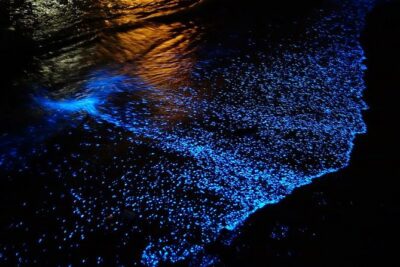
Florida Bioluminescence Kayaking Tour (Titusville)
Read our review →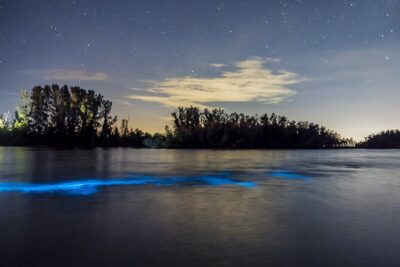
Bioluminescent Clear Kayak Tours in Titusville
Read our review →Browse the lists this tour appears in