
Review · POLAND
Night tour through Wroclaw
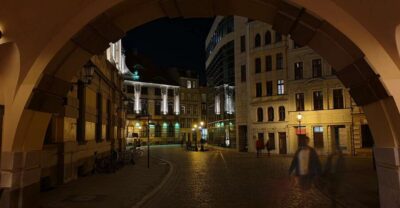
Wroclaw changes character after sunset. Illuminated Gothic churches, the Town Hall, and the narrow Hansel and Gretel Houses give the old center a softer, more dramatic look. This two-hour walk links the main sights from the Market Square to Cathedral Island without asking you to spend an entire evening on your feet.
I like the clear route and the strong historical focus, especially the move from the civic heart of Wroclaw to its religious center. I also like the practical price of $50 per person, free cancellation up to 24 hours before departure, and the option to receive tour photos by email. One point to consider: this is a German-language city walk, not a costumed night-watchman performance, so anyone expecting theatrical storytelling may prefer a different format.
Key points to know before booking
- Market Square after dark: Begin beneath the illuminated Town Hall, with the historic center looking its best at night.
- A full route in two hours: Walk from the Pillory through the Market Square, University area, Market Hall, Sand Island, Tumski Bridge, and Cathedral Island.
- German-language guiding: The tour is offered in German, and guide Roman has been praised for his clear explanations, humor, and strong command of Wroclaw’s past.
- The city’s famous night views: St. Elisabeth’s Church, Hansel and Gretel, and Wroclaw Cathedral provide the most striking evening scenes.
- A useful final stop: The tour ends at the cathedral, giving you a natural place to continue an evening on Cathedral Island.
- Weather matters: Tours usually run in all weather, so wear suitable clothing. Extreme conditions can lead to a cancellation or postponement.
Why Wroclaw is especially good after sunset
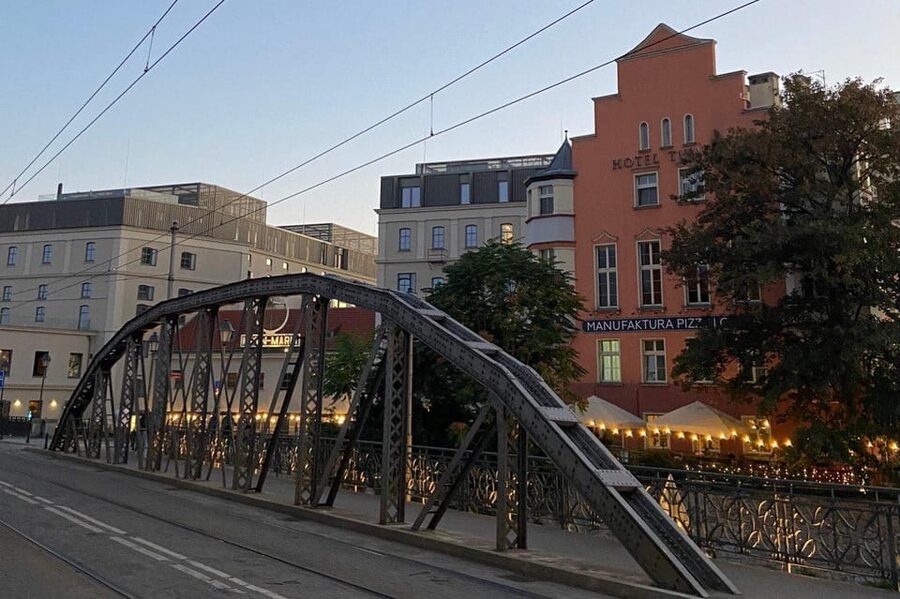
Wroclaw is a city of grand public buildings, church towers, bridges, and compact historic streets. At night, the lighting pulls your attention toward stone details and silhouettes that can be easy to miss during a busy daytime walk.
The route also has a useful shape. You begin in the city’s commercial and civic center, then walk toward the University and Market Hall before crossing into the older religious quarter. That change gives the tour a sense of movement rather than a string of unrelated stops.
I like this kind of evening walk for a first or second night in town. You get your bearings quickly, see the main center without arranging several separate visits, and hear the stories that help make the buildings easier to understand the next day.
The walk is not presented as a ghost tour or a historical reenactment. It is a guided sightseeing tour with an evening setting. One German-speaking participant expected a night watchman experience and found the standard city tour acceptable, but would have preferred a daytime tour. That is useful advice: book this for illuminated sights and historical explanation, not for costumes or staged drama.
More night tours around the world:
- Prague: 50-Minute Sightseeing Evening Cruise
★ 4.2 · 33,780 reviews - Amsterdam: Evening Cruise with Optional Wine and Snacks
★ 4.4 · 22,178 reviews - Budapest: Nighttime or Daytime Sightseeing Cruise
★ 4.2 · 21,062 reviews
Starting at the Pillory in Market Square
The meeting point is the Pillory in Wroclaw’s Market Square. This places you right in the center of the Old Town, among the square’s historic facades and busy pedestrian routes.
Starting here makes practical sense. You do not need a taxi to an outlying neighborhood, and the opening view gives you an immediate feel for Wroclaw’s scale. The Market Square is large enough to make an evening arrival slightly confusing, so allow a little time to locate the Pillory before the scheduled start.
The first part of the tour is devoted to the square and Wroclaw Town Hall. This is where the guide can set out the city’s story, explain how the center developed, and point out details you might otherwise pass without noticing.
The Town Hall, St. Elisabeth’s Church, and Hansel and Gretel
Wroclaw Town Hall is the visual anchor of the opening section. Its illuminated facade gives the tour an immediate evening payoff, and the guide discusses the building as part of the city’s civic past rather than treating it as a quick photo stop.
From here, the route continues to St. Elisabeth’s Church. The Gothic church is especially effective at night, when the lighting emphasizes its height and stonework. You should not expect a lengthy interior visit from the information provided. The value here is the exterior view and the explanation of the church’s place in the old center.
The nearby Hansel and Gretel Houses provide a change of mood. These small, picturesque buildings are known for their charming appearance, and the night lighting makes them a natural photo stop. This is one of the best moments to have your camera ready, though the guide’s talk remains central to the experience.
The tour provider can send photos by email after the walk on request. That is a pleasant extra, but you should ask about it during or after the tour rather than assume the photos arrive automatically.
The University and Fencer Fountain
The route then heads toward the University of Wroclaw. This is a useful stop because it broadens the tour beyond churches and medieval-looking facades. You hear about the institution’s history and importance, giving you a better sense of Wroclaw as a long-running center of education.
The University section also helps break up the architecture. After the formal Town Hall and church views, the guide turns to a place connected with study, public life, and the city’s changing identity.
The Fencer Fountain follows. It adds a lighter visual detail to the route and gives the guide another chance to connect a public monument with local stories. The supplied information does not promise a long stop here, so expect a brief guided look rather than a major lecture.
This part of the walk is where the quality of the guide matters most. Roman has received especially warm praise for being funny, friendly, and well informed about Wroclaw and Poland. Other comments describe the tour as packed with information but still easy to follow. If your guide has a similar style, the historical material should feel lively rather than like a list of dates.
Same night, a different way out:
- Budapest: By Night Sightseeing Cruise with Welcome Drink
★ 4.3 · 15,533 reviews - Paris: Illuminations River Cruise with Audio Commentary
★ 4.3 · 12,340 reviews - Prague: Vltava River Night Cruise with Buffet
★ 4.3 · 7,338 reviews - DC Memorials Night Tour: Glass-Roof Convertible Upgrade Option
★ 4.5 · 6,933 reviews
Wroclaw Market Hall and the walk toward the river
Next comes Wroclaw Market Hall, a historic market building with a different feel from the open square and church facades. At night, the surrounding area can feel calmer, which lets you consider the building as part of the city’s everyday commercial life.
This stop is valuable because it shows a less ceremonial side of Wroclaw. The tour is not limited to postcard views. It includes a place tied to shopping, food, and ordinary urban routines, even though the evening timing means you may experience it mainly from the outside.
From the Market Hall, the route continues toward the river and Sand Island. The walk itself is part of the experience. You move from the dense Old Town toward a quieter sequence of water, bridges, and sacred buildings.
You should wear comfortable shoes. Two hours is not a long city walk, but the itinerary includes many stops and a steady transition across central Wroclaw. The pace is intended to cover ground while allowing time for explanations and photos.
Sand Island and Tumski Bridge
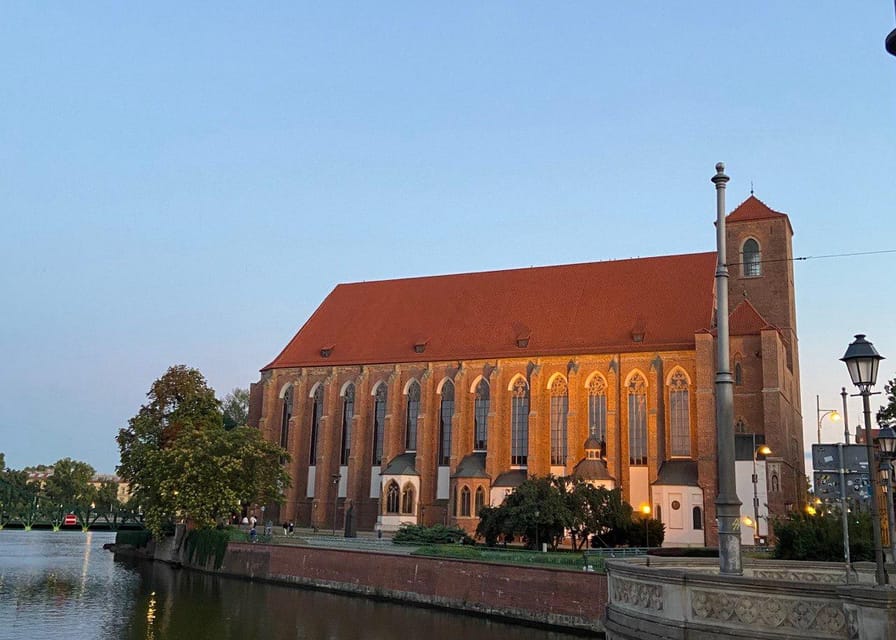
Sand Island marks the shift from Wroclaw’s main square district to the area around Cathedral Island. It is one of the more atmospheric portions of the walk because the river and bridges change how the city feels around you.
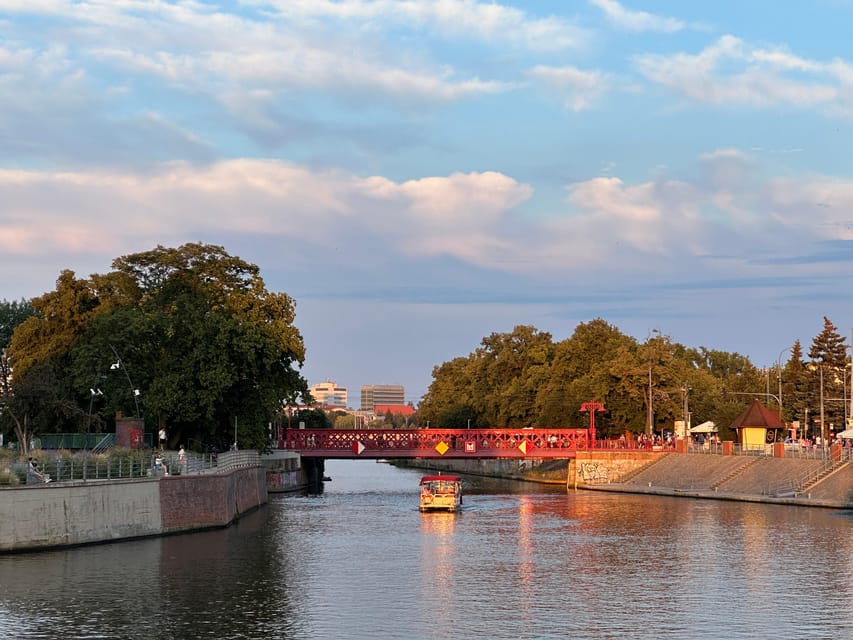
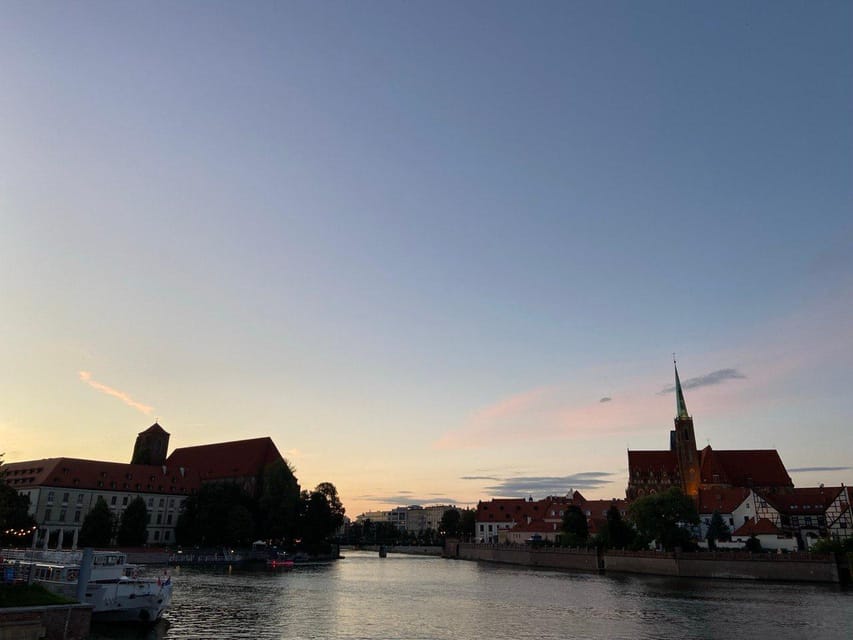
The route then crosses or reaches Tumski Bridge. This bridge is an important visual link between the islands and Cathedral Island, and it gives you a chance to see the city from a different angle. The evening setting is the main attraction here, with illuminated structures and reflections adding to the mood.
The information provided does not promise a particular view of every building from the bridge, so keep expectations sensible. You are getting a guided urban walk, not a dedicated photography tour. Still, this section offers some of the most memorable transitions of the evening because the route leaves the square behind and opens toward the cathedral district.
If you use a wheelchair, the activity is listed as wheelchair accessible. Since the walk crosses historic central streets and bridges, it is still sensible to confirm current meeting and route details before booking if you need specific access arrangements.
Cathedral Island and Wroclaw Cathedral
Cathedral Island is the historical and emotional finish of the route. It is often described as the nucleus of Wroclaw, and the tour uses it to bring together the city’s religious architecture and early development.
The guide discusses the sacred buildings in the area before leading you toward Wroclaw Cathedral. The change from illuminated civic buildings to church towers gives the final section a quieter tone. Instead of ending with another busy square, the walk closes in a district known for its calm and solemn atmosphere.
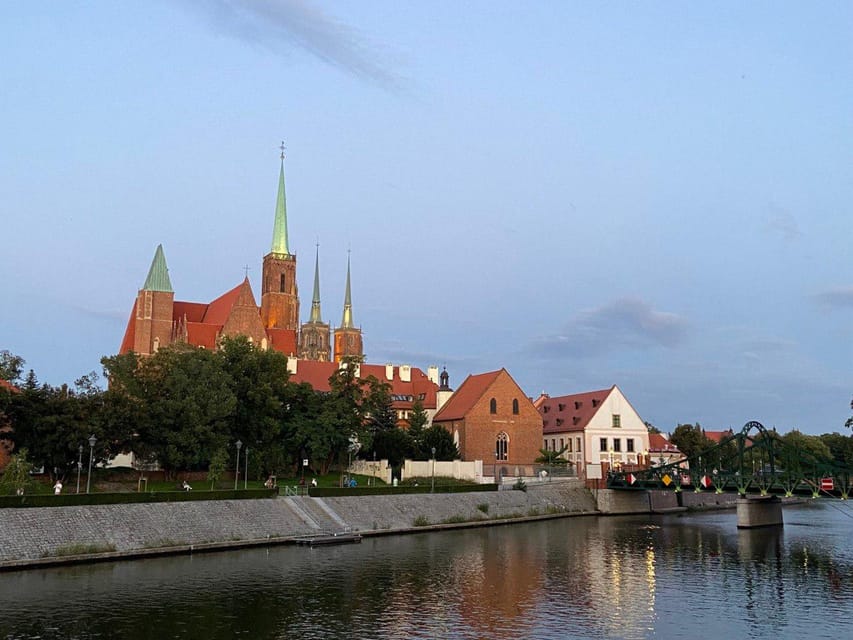
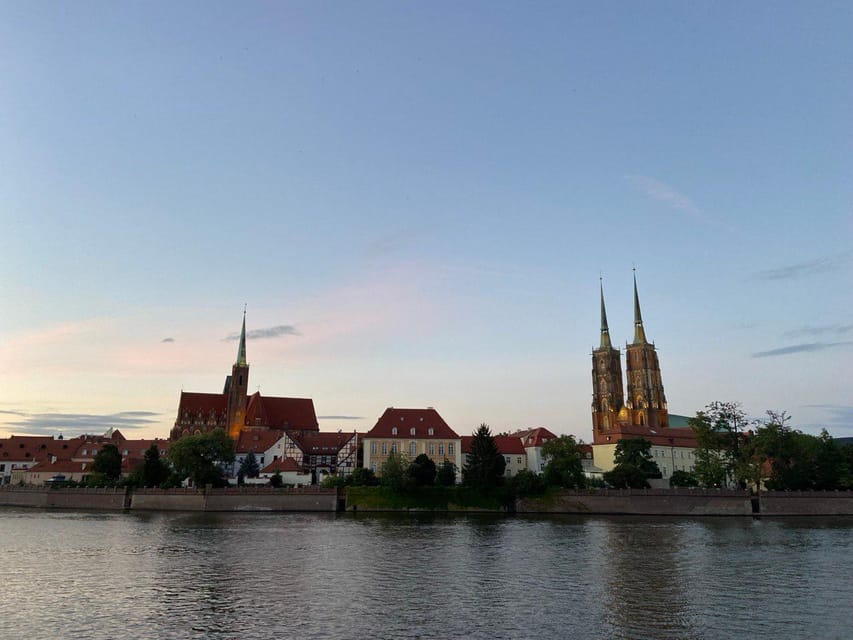
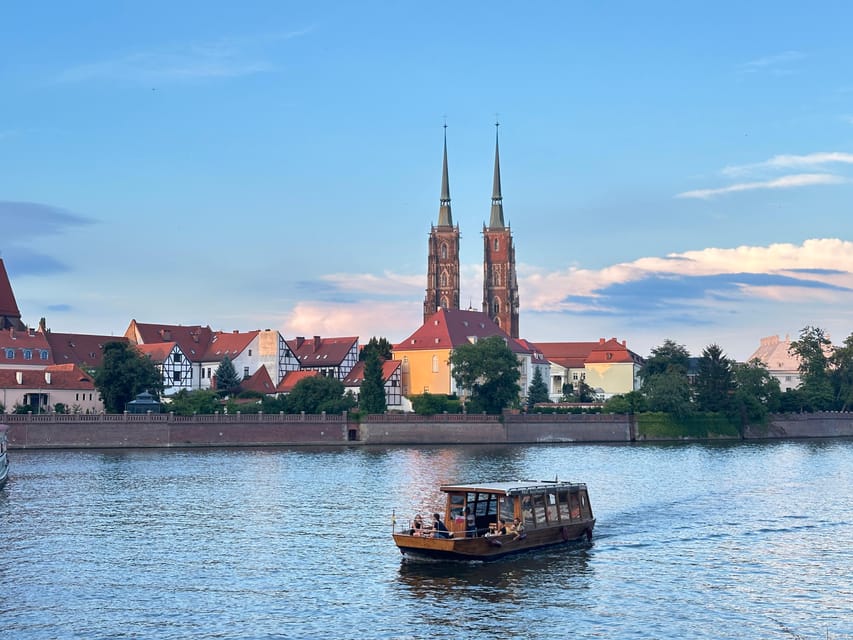
Wroclaw Cathedral provides the final view. Its towers are visible from a distance, and at night the lighting gives them a strong outline against the sky. This is a satisfying endpoint for a short tour because the route has moved from the city’s public center to one of its most recognizable religious landmarks.
The itinerary also includes Wroclaw’s gnomes. These small figures are a well-known part of the city’s public art, and a guide may point them out along the way. Do not expect a separate gnome hunt. They function as an extra thread in the walk, adding humor and a distinctly local detail to an otherwise architecture-heavy route.
What the guiding is like in German
The only listed tour language is German. That is the most important booking detail for many people. The tour is not presented as multilingual, and some content may appear in its original language.
The strongest feedback concerns the guides’ delivery. Roman is singled out as friendly, funny, and highly informed, while another participant describes clear German and a tour that moved at a good pace. Several comments also praise the use of historical images and stories alongside current views.
That combination matters. A guide can tell you when a building was built, but old pictures help you see how the city has changed. The supplied information also points to stories and anecdotes, so the tour is not limited to formal architectural facts.
I would choose this walk if you enjoy a traditional city tour with a human guide who explains what you are seeing. I would hesitate if you want a theatrical character, a ghost-story format, or a tour entirely focused on nightlife.
Is $50 a fair price for two hours?
At $50 per person, this is priced as an accessible guided city walk, particularly if you value a live German-speaking guide and a route that covers several major districts in one evening.
You are not paying for an attraction ticket or a meal. The value comes from the route, the interpretation, and the convenience of seeing the city’s main evening sights in one organized outing. The tour also includes free cancellation up to 24 hours in advance and the option to reserve now and pay later, which reduces the risk of fitting it into a changing schedule.
The claim of low pricing is most relevant to visitors comparing guided evening walks in Wroclaw. Still, price alone should not decide the booking. If you need English, this is not the right choice based on the listed language. If you want a night watchman show, the format may also disappoint.
For a German-speaking couple, family, or small group that wants a compact introduction to central Wroclaw, the price is reasonable. The 4.9 rating from 38 reviews also suggests a strong level of satisfaction, though the total number is modest enough that I would still focus on the format and language before booking.
Weather, timing, and who will enjoy this walk
The tour generally runs in all weather. Dress for the forecast, and bring suitable shoes and outer layers because the experience takes place outdoors for about two hours. In extreme weather, the provider can cancel or postpone the walk and offer another solution.
The tour suits first-time visitors who want an overview without spending half a day on a walking excursion. It also works well for people who have seen the Market Square by day and want to see the same center under evening lighting.
I would especially recommend it to:
- German-speaking visitors who want history explained in German
- Couples looking for an atmospheric evening activity
- Families who prefer a short route with varied sights
- Visitors who want to connect the Market Square with Cathedral Island
- Anyone who enjoys architecture, local stories, and city orientation
It may be less suitable for anyone seeking extensive interior access, a food-focused evening, or a dramatic night-watchman performance. The tour’s strength is its clear route and spoken explanation, not entertainment built around costumes or special effects.
Should you book Wroclaw’s night tour?
Book it if you want to see the Market Square, Town Hall, St. Elisabeth’s Church, Hansel and Gretel Houses, University, Market Hall, Tumski Bridge, Cathedral Island, and Wroclaw Cathedral in one well-packed evening. The route gives you both famous sights and useful connecting views, while guides such as Roman add humor and historical detail.
Skip it if you need English guiding, dislike outdoor walks in uncertain weather, or specifically want a costumed night watchman experience. For German speakers who value practical sightseeing and a strong evening atmosphere, this is a good-value introduction to Wroclaw’s old center.
FAQ
How long does the Wroclaw night tour last?
The tour lasts approximately two hours.
What is the price of the tour?
The listed price is $50 per person.
Where does the tour begin?
The tour begins at the Pillory in Wroclaw’s Market Square.
Where does the tour finish?
The tour finishes at Wroclaw Cathedral on Cathedral Island.
Which language is the tour offered in?
The live tour guide language is German. Some content may be presented in its original language.
Which sights are included?
The route includes Market Square, Wroclaw Town Hall, St. Elisabeth’s Church, the Hansel and Gretel Houses, the University of Wroclaw, Fencer Fountain, Wroclaw Market Hall, Sand Island, Tumski Bridge, Cathedral Island, Wroclaw’s gnomes, and Wroclaw Cathedral.
Is the tour wheelchair accessible?
Yes. The activity is listed as wheelchair accessible.
What happens if the weather is bad?
The tour generally operates in all weather, so you should dress appropriately. In extreme weather, it may be cancelled or postponed, with an alternative solution offered.
Just added for nights around the world
- Rome: City Highlights Nighttime Vespa Photoshoot Jouney★ 5.0 · 10 reviews
- Rome: Trastevere Food, Wine & Spritz Evening Tour★ 4.7 · 106 reviews
- Rome Catacombs Night Tour & Santa Maria Maggiore After Hours★ 4.9 · 15 reviews
- Rome: Golf Cart Night Tour★ 5.0 · 2 reviews
- Rome: Small-Group Night Tour with Pizza and Gelato★ 4.4 · 113 reviews
- Rome: Cannondale E-Bike Evening Tour with Optional Dinner★ 4.9 · 251 reviews
- Rome: Nighttime Vespa Rental★ 4.0 · 11 reviews
- Rome by Night Vespa Tour With Driver/Private Guide★ 4.9 · 72 reviews
Poland Night Tours, compared.
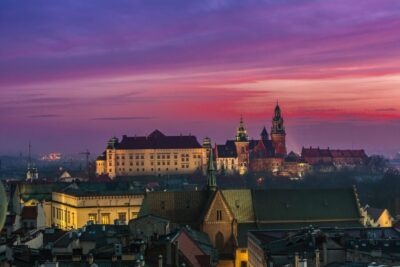
Krakow: Evening Walking Tour with Spooky Stories
Read our review →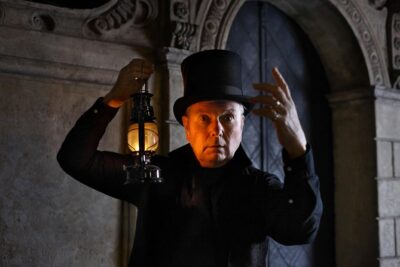
Krakow Night Tour: Ghosts, Vampires and Legends of the Old Town
Read our review →
Krakow by night 60 minutes cruise The Vistula River Krakow
Read our review →
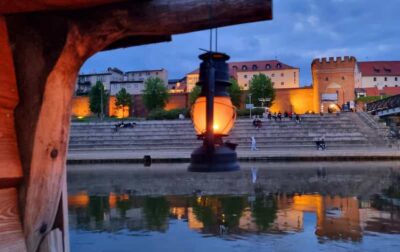
Krakow: Vistula Night Cruise by Gondola w/ Audio Commentary
Read our review →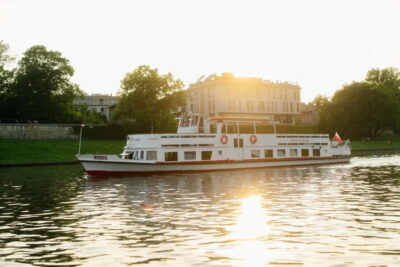
Browse the lists this tour appears in