
Review · SRI LANKA
Night Hike to see Elusive & Rare Loris in Sigiriya
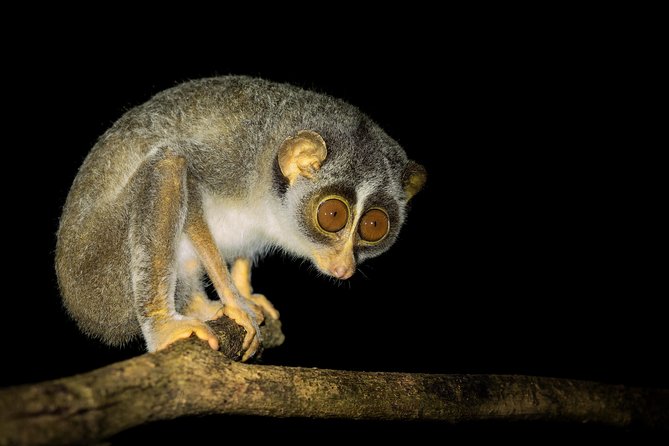
A tiny loris moving through the treetops after dark is the whole point here, and that focused approach works. In the jungle around Pidurangala, you search with a guide who knows where these nocturnal primates feed and rest, rather than simply wandering around hoping something appears. The advertised 90% sighting rate is a strong reason to add this to a Sigiriya stay.
I like two things especially: the small groups of up to eight, and the conservation work tied to the experience. I also like that the evening is not only about lorises. Guides have pointed out sleeping birds, unusual nests, geckos, mouse deer, kangaroo lizards, and glowing insects.
The main consideration is that wildlife never follows a timetable. Rain can send lorises into hiding, while a full moon may make them less active. You might see several animals close by, or spend much of the walk looking into dark branches before one finally appears.
Key points to know before you go
- The walk begins at Rocko’s Vegetarian Cafe: This is the meeting point near Pidurangala, not at Sigiriya Rock.
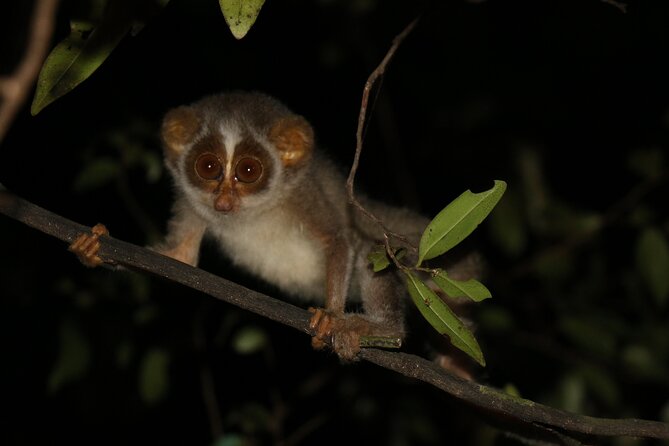
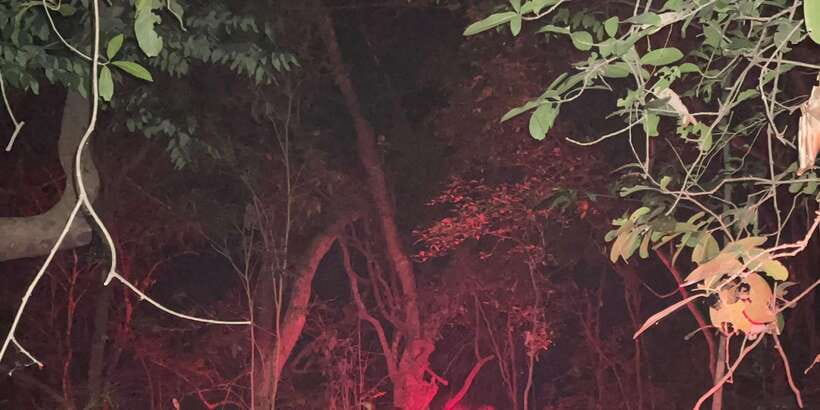
- You search for lorises after sunset: These shy primates are active at night, and the guide uses a torch or headlamp to locate them in the trees.
- You may see much more than lorises: Past sightings have included a kangaroo lizard, gecko, mouse deer, sleeping birds, nests, and bioluminescent insects.
- Headlamps and basic gear are supplied: You still need long trousers, long sleeves, and closed-toe shoes.
- The group stays small: No more than eight people are allowed, which matters when everyone needs a clear view.
- The $64 price covers a group of up to two: That makes it a particularly good value for a couple, especially with the stated money-back guarantee if no loris is spotted.
Why a loris night walk fits a Sigiriya itinerary
Sigiriya is famous for daylight sights: the rock fortress, ancient ruins, dry-zone forests, and wide views from Pidurangala. After dark, the mood changes completely. The paths become quiet, sounds carry farther, and animals that stay hidden during the day begin to move.
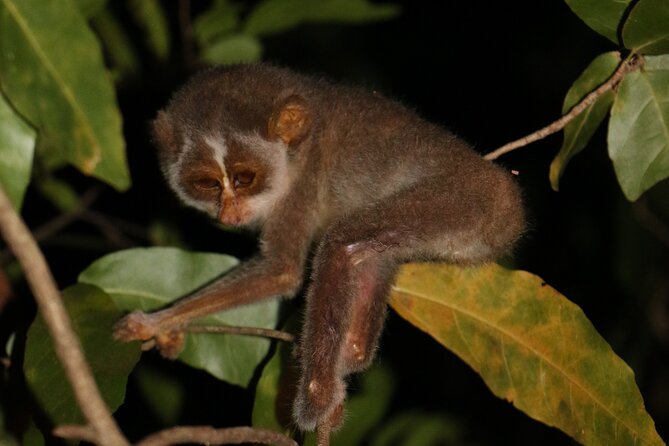
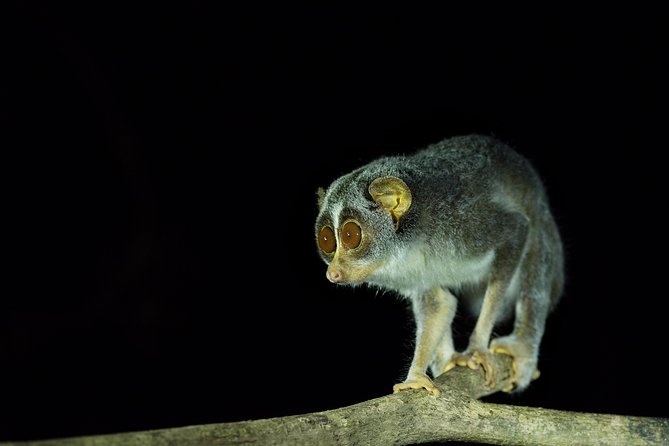
The loris is a fitting star for this kind of outing. It is small, slow-moving, and easy to miss. Its large eyes help it see at night, but that does not make it easy for you to spot. A guide has to scan branches carefully and know the animal’s shape and habits.
I like the fact that this is a specialist walk rather than a general evening stroll. The purpose is clear from the start: learn about lorises, then search for them in their natural setting. That focus gives the short outing more value than a simple walk with a torch.
The experience is run by Back of Beyond, an organization connected with habitat protection. Part of the appeal is knowing that your money supports work linked to the local ecosystem and loris conservation. You are not visiting an animal enclosure or watching a captive display. You are looking for a wild creature in the place where it lives.
More night hikes around the world:
- Khao Sok: Private Day Trekking, Jungle Dinner & Night Safari
★ 4.7 · 206 reviews - Blue Mountains Hiking Glow worms Cave Wildlife Spotlighting Night Adventure
★ 5.0 · 165 reviews - From Tropea: Panarea Island and Stromboli Volcano by Night
★ 4.4 · 134 reviews
Starting at Rocko’s Vegetarian Cafe
You meet at Rocko’s Vegetarian Cafe in Pidurangala. This is a useful meeting point because the walk starts from the Pidurangala area, close to the jungle routes used for the search.
Allow enough time to arrive without rushing. One group arrived late after heavy rain and elephants on the road, then had the chance to join a later outing. That worked out well, but it is not something to count on. Roads around Sigiriya can take longer than expected, especially in poor weather.
The evening begins with an introduction to lorises and the surrounding wildlife. The presentation has been described as a PowerPoint briefing, so expect useful information rather than a polished visitor-center show. I would pay close attention here. Once you are in the trees, the briefing helps you understand what the guide is pointing out and why the animal may be difficult to see.
The guides are especially praised for their passion for wildlife. That matters on a walk like this because the quality of the outing depends heavily on the person leading it. A good guide does not merely shine a light at a branch. The guide explains the animal, gives you time to look, and helps you understand what you are seeing.
You may also receive a drink before setting out. Headlamps are provided, and the group then heads into the nearby jungle.
What the 1.5 to 2 hour walk is really like
The published duration is about 1.5 hours, while the route description allows roughly two hours for walking and hiking. Treat it as a short evening outing rather than a full-night safari. The exact length can depend on how quickly the group finds animals and how conditions develop.
The route takes you through the jungle around Pidurangala. This is not described as a steep climb to the top of Pidurangala Rock. It is a guided walk through green areas where lorises are known to move at night. You should still expect uneven ground and natural trails, so closed shoes are important.
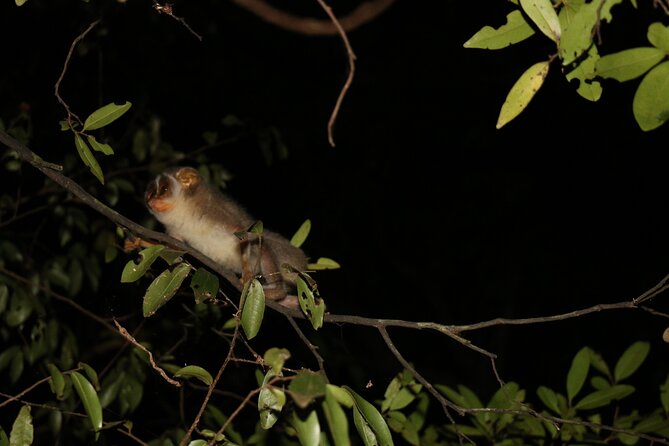
The first part may feel slow. The group stops often, and everyone looks upward. Your guide may scan a tree for a pair of reflective eyes or a small body moving between branches. This is not a walk where you cover a great distance. It is a patient search.
That pace is a benefit if you like wildlife. It gives you time to hear the night sounds, watch insects, and notice small details. It can feel less satisfying if you want constant action or a fast-moving adventure. The attraction here is careful observation, not speed.
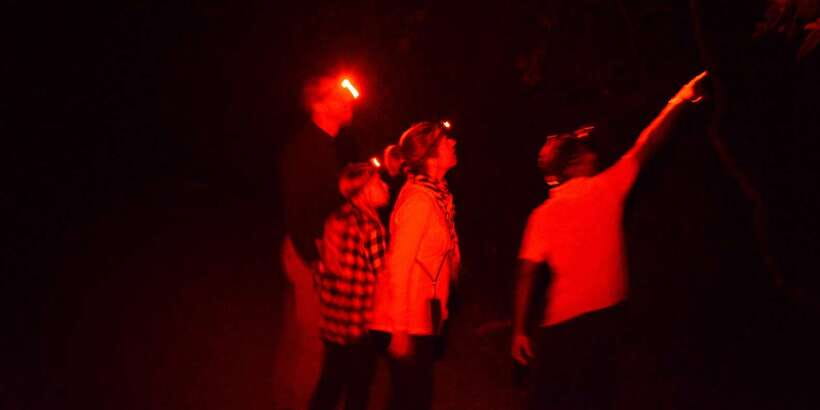
Headlamps make the walk possible, but they also require some courtesy. Keep your light directed where the guide asks, and avoid waving it around the group. Strong beams and sudden noise can disturb wildlife. The experience is at its best when everyone follows the guide’s instructions and keeps the focus on the animals.
The odds of seeing a loris
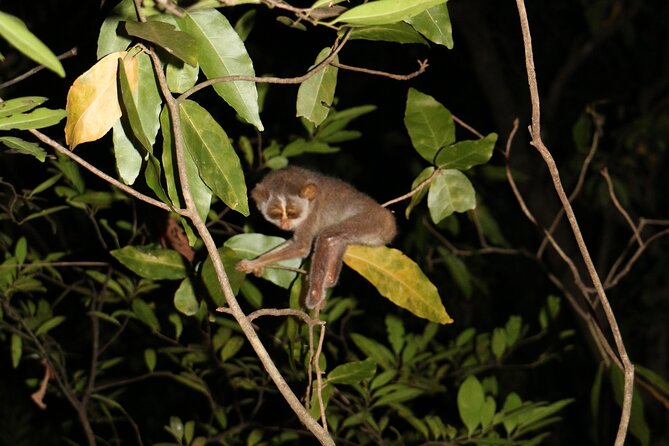
The stated success rate is more than 90 percent, and that is unusually encouraging for a wild-animal sighting. It still is not a guarantee of a close view. A loris may be high in a tree, partly hidden by leaves, or visible for only a short time.
The number seen can vary sharply. Some outings have found one or two, while others have located four, five, or even six. One walk after heavy rain produced several sightings once the weather cleared. Another group initially found no loris, then spotted one overhead just when the search seemed finished.
That is useful advice: do not assume the outing has failed because the first hour is quiet. Your guide may need to cover more ground or wait for conditions to improve. The final sighting can be the best one of the evening.
A full moon is another factor. Bright moonlight may encourage lorises to stay farther inside the jungle, making them harder to find or see clearly. You may still spot them, but the viewing distance may not be as close as you hoped.
Rain has a mixed effect. Wet conditions can make walking less comfortable, and animals may shelter. On the other hand, a pause in the rain can bring new movement. Bring the right clothing and keep your expectations flexible.
The money-back promise if no loris is found adds some protection. Still, I would choose this experience because you want a chance to observe wild nocturnal life, not because you expect a guaranteed photograph. Wildlife remains unpredictable even when the local success rate is high.
More night tours around the world:
- Prague: 50-Minute Sightseeing Evening Cruise
★ 4.2 · 33,780 reviews - Amsterdam: Evening Cruise with Optional Wine and Snacks
★ 4.4 · 22,178 reviews - Budapest: By Night Sightseeing Cruise with Welcome Drink
★ 4.3 · 15,533 reviews - Paris: Illuminations River Cruise with Audio Commentary
★ 4.3 · 12,340 reviews
The other animals you might notice
The walk earns its keep even during the gaps between loris sightings. Guides have identified sleeping birds, unusual nests, a gecko, a kangaroo lizard, and an adult mouse deer with its baby. You may also see bioluminescent insects, depending on conditions.
These extra sightings give the walk a wider purpose. You begin by looking for one rare primate, then start noticing how much life is active after sunset. Crickets and owls provide the sound track, while smaller creatures occupy the branches and forest floor.
I especially like the chance to see sleeping animals. A kangaroo lizard hanging from a branch or a bird tucked into a nighttime resting place gives you a different view of the jungle than a daytime nature walk. You are seeing behavior that is easy to miss during regular sightseeing hours.
There is no fixed list of animals included, so do not book this as a guaranteed multi-species safari. The loris is the target. Everything else is a bonus that depends on weather, timing, and the guide’s sharp eyes.
Why the guide makes or breaks the evening
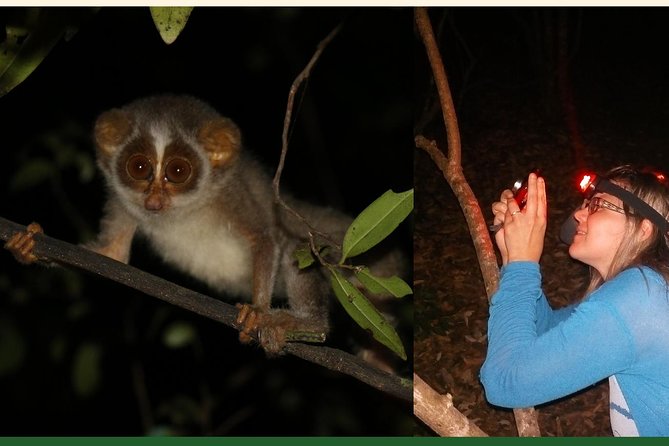
This experience relies on the naturalist guide more than on equipment. A headlamp helps, but it cannot tell you which branch deserves a closer look. The guide’s ability to identify movement and reflective eyes is what gives you a realistic chance of seeing a loris.
The strongest part of the guiding is the combination of searching and explanation. Before you walk, you learn what makes lorises special. During the outing, the guide can explain what the animal is doing, how it uses the trees, and why it may stay hidden.
Small groups help here. With no more than eight people, the guide can stop everyone at the same place and direct attention to the correct branch. On quieter evenings, two guides may lead the walk, giving the group more than one set of eyes.
The experience is offered in English. The information is aimed at curious visitors rather than specialist zoologists, so you do not need prior knowledge. I would recommend asking questions during the introduction, since the walk itself may involve long periods of quiet searching.
What to wear and what to bring
Follow the clothing advice seriously. Wear long trousers, a long-sleeved shirt, and closed-toe shoes. You are walking through jungle trails at night, and bare legs or open sandals are poor choices.
Necessary gear is supplied, including headlamps according to the outing details. That means you do not need to arrive with specialist night-walking equipment. Practical clothing still matters more than fancy gear.
Rain is a real consideration in this part of Sri Lanka. The supplied information does not promise rain gear, so plan your clothing with the forecast in mind. A wet evening may affect both your comfort and the animals’ behavior.
You should also be comfortable walking on uneven ground in low light. The activity is not presented as a difficult mountain hike, but it is a jungle walk, not a paved path. If you prefer a gentle, structured outing with plenty of explanation, this fits better than a strenuous trek.
Is $64 good value for two people?
At $64 for a group of up to two, the cost works out to $32 per person when two people share the booking. That is fair value for a private-feeling wildlife experience with a guide, supplied headlamps, a conservation connection, and a high stated chance of finding the main animal.
The value improves if you care about ethical wildlife watching. You are paying for local guiding and habitat-related work, not simply for transport to a viewing point. The small group limit also keeps the experience personal.
Solo visitors should note the pricing structure. The amount is listed per group up to two, so the value is strongest for a couple or two friends sharing. The experience lasts only around 1.5 to 2 hours, so it is not comparable in price or format to a full-day national park safari.
I would compare it with the cost of another Sigiriya attraction only if your main interest is wildlife. One visitor preferred spending money on this walk rather than on the more expensive Lion Rock ticket. That is a personal choice, but it captures the difference: Lion Rock offers major archaeology and views, while this offers a close look at a small, elusive animal after dark.
Free cancellation up to 24 hours before the start and the option to reserve now and pay later make planning easier. Check the available starting time when booking, since the exact departure schedule is not fixed in the information provided.
Who should book this night walk?
You should book it if you enjoy nature, do not mind waiting quietly, and want a more unusual evening near Sigiriya. It is a good match for couples, small groups, families with older children who can walk carefully, and anyone interested in local wildlife protection.
It is also a smart choice if you have already visited the major ruins and want to see another side of the area. The jungle after sunset feels very different from the daytime sightseeing circuit.
You may want to skip it if you need guaranteed close-up photographs, dislike insects or uneven paths, or expect a fast safari with animals appearing one after another. The guide can improve your chances, but no ethical wild-animal outing can control where a loris goes.
Photography needs patience. A loris may be far away or partly hidden, and flash photography is not presented as part of the activity. Enjoy the sight itself first. A blurred photograph of two bright eyes is still a poor substitute for watching the animal move through the branches.
Should you book the Pidurangala loris walk?
I would book this as a focused evening add-on to a Sigiriya visit, especially if you have two people sharing the $64 group price. The combination of a strong sighting rate, skilled naturalist guiding, small groups, and conservation support gives it real value.
Go with the right expectations. You are not guaranteed a perfect close-up, and rain or moonlight can change the evening. But with headlamps provided, an English-speaking guide, a short route, and a stated money-back policy if no loris appears, the risk is reasonable.
The best reason to go is not simply to collect a rare-animal sighting. It is to slow down, listen to the night, and learn how much is moving around the Pidurangala jungle after the day’s crowds have gone.
FAQ
Where does the loris night walk start?
The meeting point is Rocko’s Vegetarian Cafe in Pidurangala, near Sigiriya.
How long does the experience last?
The duration is listed as 1.5 hours, while the walking itinerary allows about two hours. Check the available starting time when booking.
How many people can join the walk?
The activity is limited to eight participants, making it a small-group experience.
What language is the tour conducted in?
The live guide speaks English.
What should I wear?
Wear long trousers, a long-sleeved shirt, and closed-toe shoes because the route goes through jungle areas.
Is equipment provided?
Necessary gear is provided, including headlamps according to the experience details.
What happens if no loris is spotted?
The experience includes a money-back guarantee if you do not see a loris.
Can I cancel the booking?
You can cancel up to 24 hours in advance for a full refund. You can also reserve now and pay later.
Just added for nights around the world
- Almería: Legends and Mysteries Evening Walking Tour★ 4.4 · 62 reviews
- Alleppey Night Walk (2 Hours Guided Walking Tour)★ 4.8 · 2 reviews
- Alhambra: Nasrid Palaces Guided Night Tour without tickets★ 3.4 · 5 reviews
- All-inclusive Fado Tour: Show & Dinner. Lisbon at Night★ 5.0 · 2 reviews
- Alanya: Night Safari and Boat Trip with Riverside Dinner★ 4.0 · 3 reviews
- Alanya: Sunset Night Safari with Boat Trip with Dinner★ 4.4 · 89 reviews
- Alexandria: Ultimate Dead of Night Walking Ghost Tour★ 4.4 · 11 reviews
- Agrigento: Skip-the-Line Valley of the Temples Night Tour★ 4.8 · 72 reviews
Sri Lanka Night Tours, compared.
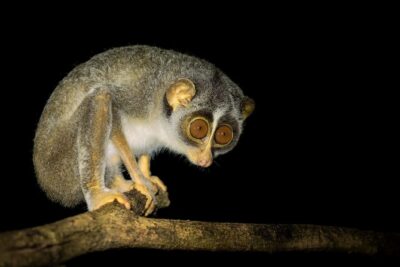
Night Hike to see Elusive & Rare Loris in Sigiriya
Read our review →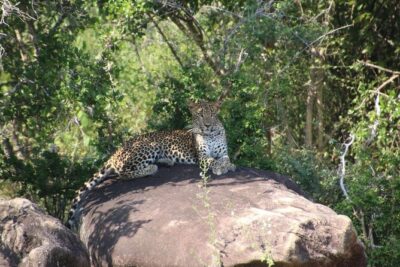
Evening Safari – Yala National Park with Janaka safari – 02.00 pm to 06.30 pm
Read our review →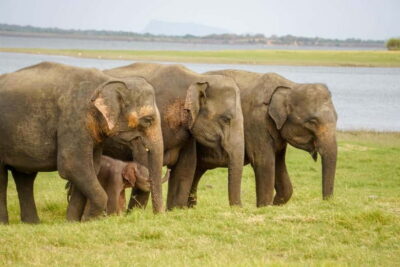
Sigiriya Lion Rock & Evening Safari Full Day Private Tour
Read our review →Browse the lists this tour appears in